








The American Dream is often a sensationalised repertoire of New York. Movies treat the city as a set, books use it as a plot, and shows metamorphosize it into a place called home. The obsession that the media has with the city has translated itself heavily into reality. The United States ranks as the top destination for international immigrants, while the NYC metropolitan area itself hosts the highest number of immigrants per capita in the country. If the amenities that New York offers can be found in most metropolitan cities in the world, then why does the promise of this specific one resonate so deeply with immigrants?
Back in the early 1970s, right after Bangladesh gained its independence from Pakistan the country was devastated by the aftereffects of the war that went on for over 9 months and independents estimate that around 300,000-500,000 casualties had occurred. The economic collapse, societal decline, and loss of millions of lives left the country in a state of despair. The only form of joy came from going to the DVD stores and buying copies of iconic movies such as: Taxi Driver (1976), or The Godfather (1972) to watch with the neighbourhood kids and romanticize a city they couldn’t even imagine. As counterintuitive as it sounds, escaping the country they just fought so relentlessly for became the next dream.
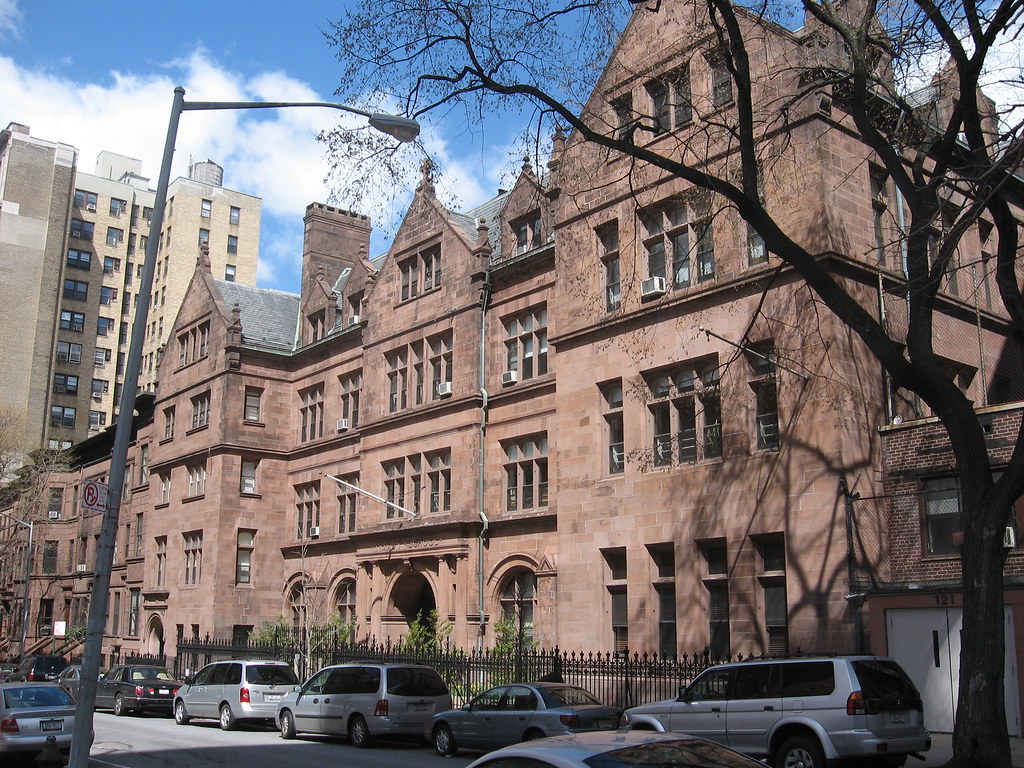
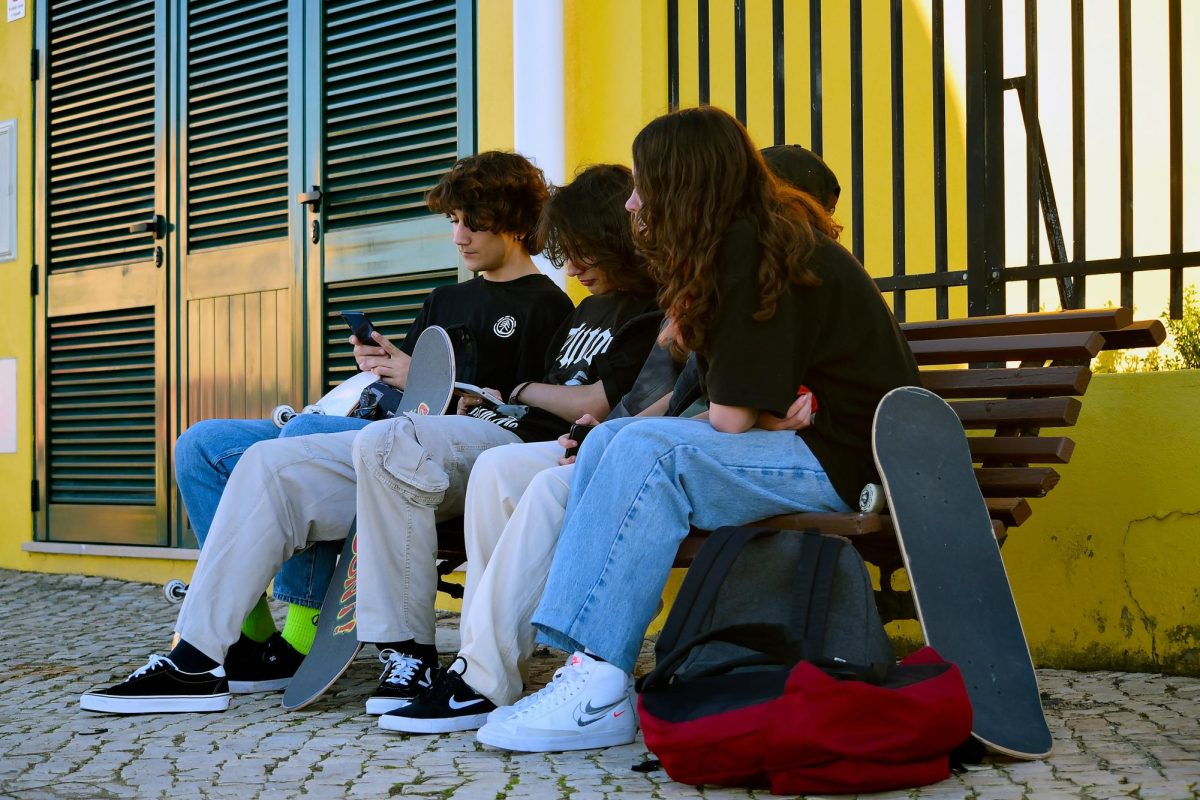
The early 2000s came with an entourage of the most influential media arguably to this date, most of them being set in New York City. The show Friends shaped the concept of an ideal lifestyle, Gossip Girl embraced the luxuries of socialites, and Sex and the City portrayed a combination of artistic souls lost in a city with nothing but inspiration to offer. Growing up, a New York City apartment, with a view of Central Park, and your best friend in the room next door was the goal we were all studying for. As international students, the only way for folks to afford a city like New York was by competing with each other for hyper-selective scholarships, which often estranged friendships. Lubana Haque, a sophomore at Forest Hills High School who recently immigrated here from Bangladesh provided some insight about her own experience with glorification of New York City. “Comepeting with my friends just so that colleges in the U.S. would consider me as their next student was exhausting.”
“Bangladesh has a very systemic way of education which causes the students to be even more anxious regarding their education, whereas schools here provide freedom to the extent of unrulyness,”she continued. Reflecting on her experience here so far, “with all the shows that I watched, my favourite being ‘Gossip Girl,’ I assumed that schools here would provide me with a similar sense of community and that living in the city would feel like the ultimate destination. Truth is, leaving all my friends and family behind and assimilating into a new language to fit in with everyone else was the harsh reality that I was thrown into.” For Lubana it wasn’t exactly that the city itself was bad, it would just never feel like the plot of a sitcom because her home was thousands of miles away.
Western media wasn’t the only one that glamorized New York City. For South-Asians few of the most iconic Bollywood movies used the city as a plot and hundreds of others portrayed it as the final destination. Movies like Kabhi Alvida Na Kehna (2006) used the city to depict both glamour and chaos, and English Vinglish (2012) demonstrated the hardships of integrating into a new language and society to better fit into this world.
The creator of The Localized History Project, a youth participatory history collective is building a critical Asian American studies curriculum for New York City Public Schools. Shreya Sunderram shared, “I feel like in movies and on television, immigrant communities in New York are often portrayed as more stereotypical caricatures that stem from, like, a piece of truth, but that kind of slack in the reality of community.” She continued, “for instance, I think yellow taxis are a very visually clear and symbolic representation of the city in films and tv. But if taxi drivers themselves are ever uplifted or included, it’s often with really racist caricatures of South-Asian, Muslim, or Sikh men.”
Even with its diversity, the city is unforgiving with its racism. Shreya further elaborated “‘Gossip Girl’ is a very white TV show. ‘Friends’ is also a very white TV show, and it’s kind of bizarre to have a show set in New York City where an entire friend group is made up of just white people. It’s not an accurate reflection of the city in terms of who actually lives here.” The romanticised version of the city never really included people of South-Asian heritage to begin with.
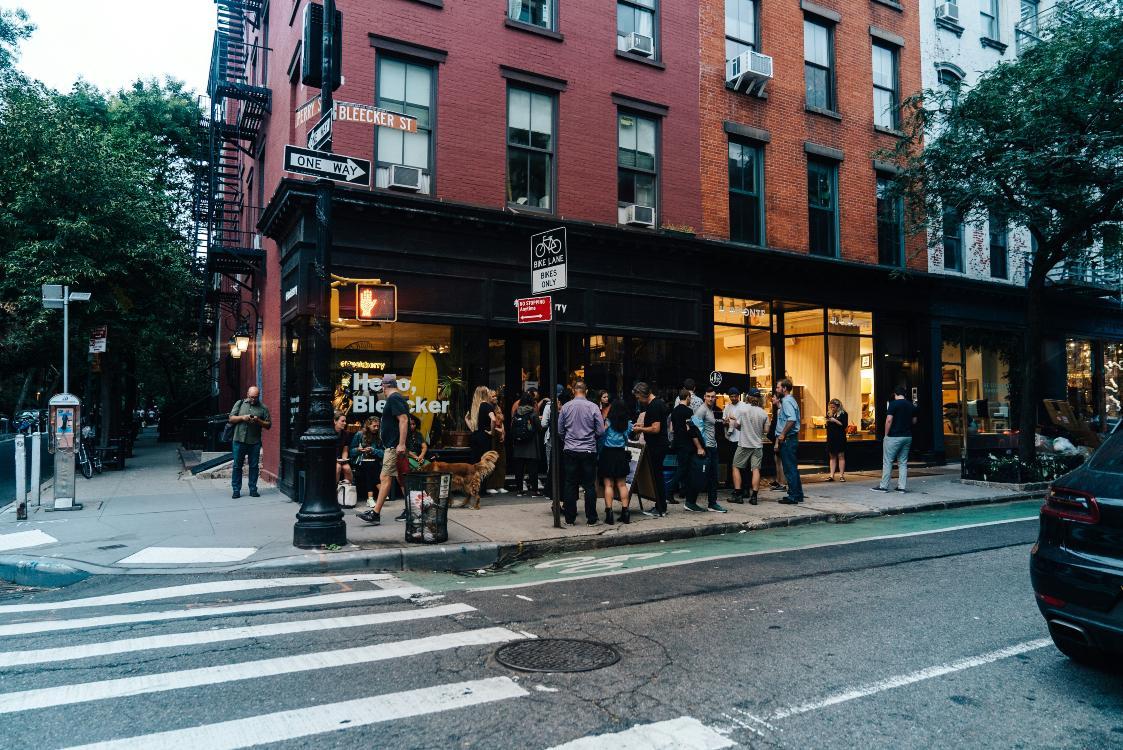
However, this cinematic love affair with New York wasn’t confined to the big screen; it lived vividly on the television sets of our childhood. The media we consumed felt like a continuous loop of a very specific, polished version of the city. Take the classic hit series ‘How I Met Your Mother.’ The show framed New York City not as an unforgiving concrete maze, but as an almost enchanted magicland of endless second chances. To a teenager watching from a modest living room in Dhaka or Mumbai, Manhattan appeared to be a place where you could spend your entire twenties tucked into a cozy bar booth with your closest people, somehow untouched by rent, taxes, or the brutal arithmetic of survival. The city felt less like a location and more like a companion—one that wrapped you in autumn air, and promised that as long as you walked its avenues, your life would eventually make sense. It constructed a vision of an endless fall where even loneliness looked poetic and rain carried romance.
But the screen cuts to black, the plane lands at JFK, and the reality of being a young South Asian immigrant hits with a cold, sharp shock— the distance between fantasy and reality becomes impossible to ignore.
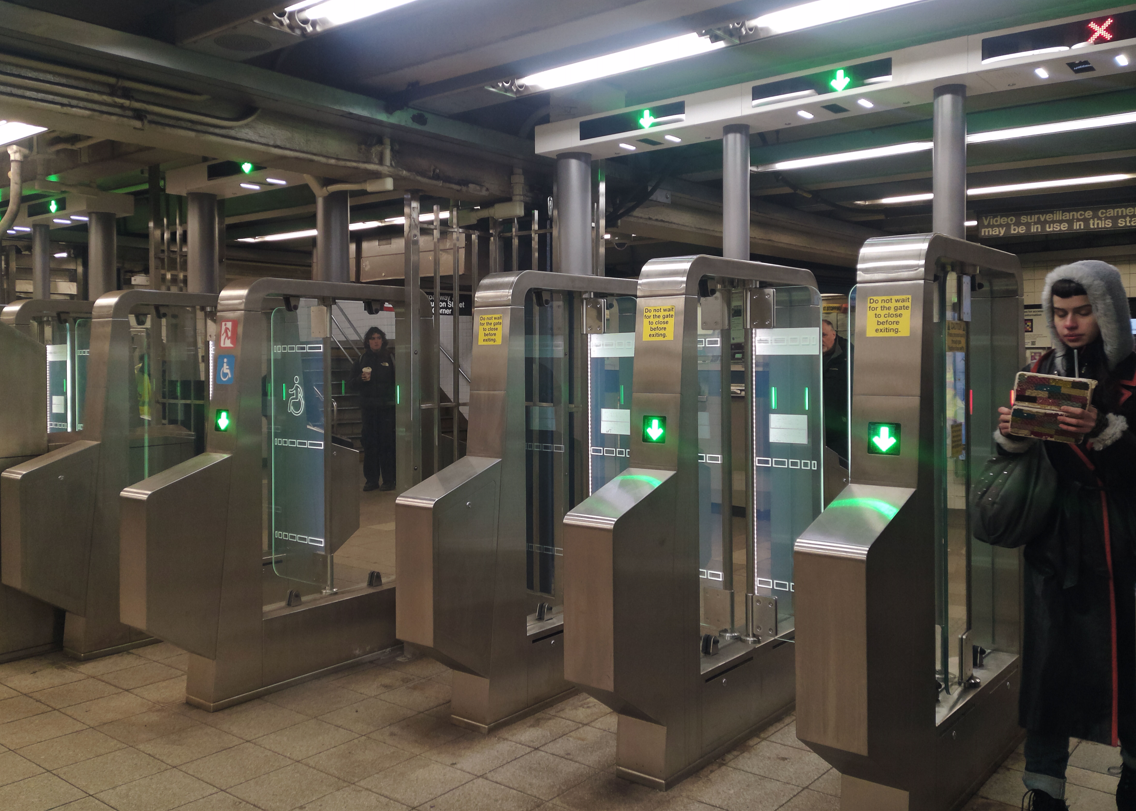
For many immigrants, that realization begins almost immediately. The cinematic filter dissolves, replaced by the heavy metallic air of subway stations and the exhaustion of navigating an unfamiliar system. The spacious apartments of ‘Friends’ collapse into cramped basements in Jackson Heights or overcrowded homes in Jamaica, Queens, where rent devours more than half of a monthly paycheck. Central Park views are exchanged for brick walls and narrow windows, while the comforting soundtrack of television gives way to the constant rumble of trains, sirens, and traffic.
Yet the greatest shock often extends far beyond geography.
There is a deeper, quieter hardship that the movies never talk about. Back home, many of these immigrants were engineers, teachers, or honored professionals. But the American system rarely honors foreign degrees. The reality of survival forces a painful compromise. Masters degrees are tucked away into suitcases, replaced by the steering wheels of yellow cabs, the counters of 24-hour bodegas, or the grueling shifts of delivery apps.
“With the degree I have, the jobs I could’ve had if I still lived back in Bangladesh would have been life changing. Don’t get me wrong, I am very happy with where I work. It’s just sometimes I feel like I could have done more under different circumstances.” A South-Asian school aide who wanted to remain anonymous stated, “I miss home because of the value I had, but also because of the comfort I was in. I don’t regret moving here, but it’s taken me a while to adjust.”
Not only that, the financial pressure is a suffocating, ever-present weight to the international students. The legal restrictions on F-1 visas strictly prohibit off-campus employment, leaving students cornered. They are forced to scramble for highly competitive, low-paying on-campus positions—like scrubbing trays in dining halls or monitoring quiet library desks—just to afford basic groceries that cost triple what they did back home.
What makes this transition especially painful is not merely the change in occupation, or the rising cost of everyday necessities, but the quiet reshaping of identity that follows. In many immigrant households, success abroad is imagined as linear—leave home, work hard, prosper. The reality is far less straightforward. Behind carefully curated phone calls and filtered photographs lies a pressure to appear successful for the families who invested savings, expectations, and prayers into the journey. Admitting hardship can feel like admitting failure.
For others, uncertainty becomes its own burden. Immigration paperwork, visa restrictions, and legal ambiguity can transform daily life into a prolonged waiting room. Futures are measured through expiration dates, renewal notices, and decisions resting in distant offices.
Mahadi Islam, a Bangladeshi student from Stuyvesant High School who moved here about 4 years ago shared, “the shift was extremely uneasy. Although the environment I lived in before when I was in Bangladesh was extremely westernized there’s still a difference.” Regarding immigration and the process in itself he described his emotions as “immigration was a very lengthy process and it was stressful. The factor of stress still remains. From court dates to overtime work. It’s not an easy life.”
There is also a loneliness that arrives not only from being away from home, but from feeling suspended between identities. In South Asia, life often unfolds collectively—neighbors arrive unannounced, relatives remain within reach, and familiarity fills ordinary spaces. In New York, movement rarely pauses. The hustle culture celebrated by popular media as ambition can feel, in practice, like isolation. Many immigrants learn to code-switch between accents, customs, and versions of themselves simply to belong. You may be surrounded by millions, yet feel unseen.
“Although I love the freedom provided here. I still have to live through stress everyday,” Mahadi proclaimed while reminiscing on his experience in the city so far.
And still, the dream did not entirely disappear—it adapted.
If you look closely at the neighborhoods where South Asian immigrants have carved out their own spaces, you realize that the dream didn’t entirely die—it just evolved. It became less about the high-society glamour of Gossip Girl and more about resilience. The reality of New York is harsh, yes, but it is also a place where a community can recreate a piece of the home they left behind. On the streets of Jackson Heights, the smell of roasted cumin and fresh jalebis cuts through the exhaust fumes. The subways might be loud, but they carry parents working double shifts so their children can actually have a shot at the life the movies promised.
The dream of New York City is not a lie; rather, the media offered us an incomplete ending. Its true beauty does not exist in polished skylines or fictional soundtracks. It lives in the quiet resilience of immigrants who confront a harsher reality every day, carry pieces of home across oceans, and still find courage to call this city their own.