











In New York City wealth is impossible to ignore. Luxury apartments tower over public housing developments, designer stores line, major avenues, and social status often feels tied to money. Few places reflect this divide more clearly than the city’s elite private schools where an annual tuition can exceed the cost of college tuition in some states. While elite private schools promote academic excellence and opportunities, they also reveal how deeply wealth shapes education, social life, and future success in New York.
The extreme cost of private school tuition does more than separate students by income. It reinforces the idea that access to the best opportunities come through wealth, connections, and exclusivity. At the same time, scholarship students at elite private schools and public school students experience the system from entirely different perspectives, exposing the growing economic divide within the city’s educational system.
For many parents, private school tuition is viewed not simply as a payment for education, but as an investment in future success. Alshimaa Ibrahim, a parent whose child attends Trinity School, explains that academics were an important part of her family’s decision, but prestige and networking were equally important.
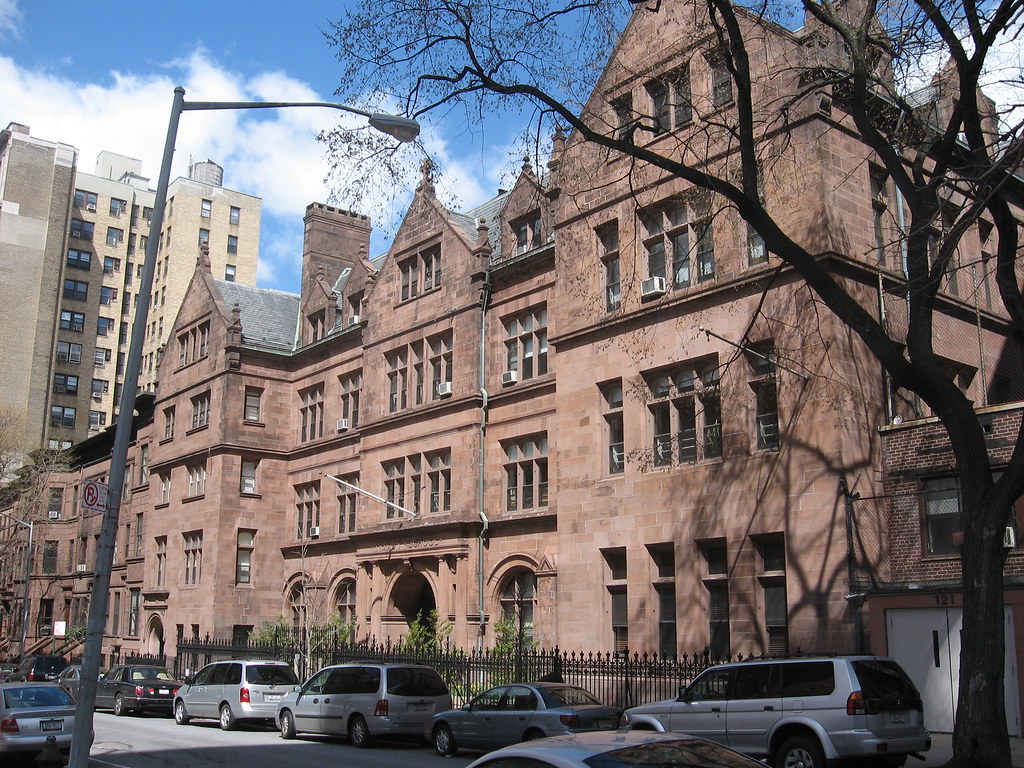
Founded in 1709 on Manhattan’s Upper West Side, Trinity is one of the oldest and most elite private schools in the United States, known for its rigorous academics and influential alumni network. Notable graduates include novelists Truman Capote and journalist Anderson Cooper. For many families, attending schools like Trinity represents access not only to education, but also to social connections and long term opportunities associated with wealth and status.
“We see it as an investment not only in education, but in opportunities and connections that can shape a child’s future,” Ibrahim explained. “Schools like Trinity open doors socially and academically in ways that are difficult to ignore in a city like New York.”
Her perspective reflects how elite schools have become associated with status and influence. Families are not only paying for strong academics, but also for access to alumni networks, internships, smaller class sizes, and social connections that may benefit students later in life. In a city, where success is often tied to who you know, these schools can function as gateways into powerful professional and social circles.
One anonymous scholarship student, who is a junior attending Spence School in New York City described how rewarding the private school education and experience was, highlighting opportunities as both beneficial and overwhelming. “I chose the school because it was a good school with good opportunities, especially sending most students to top 20 colleges every year,” the student notes. “It’s a really small school so you get to know your teachers better.”
Founded in 1892, The Spence School is a highly selective all-girls private school located on Manhattan’s Upper East Side. It is known for its rigorous academics and strong college placement. At Spence School, the small size of the community helps create a close knit environment that many students describe as one of the school’s biggest strengths. In the Upper School, where juniors attend, classes average only 13 to 14 students, while Lower School classes average 16 to 18 students. With roughly 60 to 70 students per grade and a student to teacher ratio of about 6:1, students benefit from frequent participation, individualized feedback, and close relationships with faculty. Such intimate class setting allows teachers to tailor instruction to students’ needs and provide substantial support throughout the college application process, contributing to the school’s reputation for strong academic outcomes.
The student explained that the school offers access to influential alumni networks, internships, debate team trips, school sponsored travel, and expensive athletic facilities. Teachers often provide students with recommendations and career advice, creating opportunities that many students in underfunded schools may never receive.
However, the student also described the emotional impact of attending a school surrounded by immense wealth. “The first year I was here I was really depressed because the wealth gap was so significant.” The student notes. “I could never be like these people.”
According to the student, classmates regularly discussed expensive vacations, ski trips, luxury brands, and homes in the Hamptons as though they were normal parts of life. The student jokingly states that some classmates travel to “20 countries every break” while others casually fly across the world for sporadic vacations.
These experiences revealed how wealth becomes normalized within elite school environments. Students who come from working class backgrounds may feel isolated or excluded when surrounded by lifestyles they cannot relate to. Even when schools attempt to make classrooms more equitable, economic differences remain visible in everyday conversations and social experiences.
“In some classes when teachers ask us to share our vacations, they specify to not name a place but rather an experience we enjoyed,” the student explained. “I think it’s to help keep it kind of equitable in the classroom even if it’s not how it works.”
The scholarship student also pointed out that social life in wealthy schools often revolves around partying, expensive activities, and luxury lifestyles creating another divide between students with different financial backgrounds.
Meanwhile, students attending New York City public schools often view elite, private schools as symbols of unequal opportunity. Mohammad Nasrallah, a senior at Townsend Harris High School and incoming freshman at Columbia University believes that educational opportunities in New York are heavily influenced by money.
Many public schools lack the same level of funding, technology, extracurricular programs, and networking opportunities available at elite private institutions. While specialized public schools like Townsend Harris provide strong academics, students across the city experience major inequalities, depending on ZIP Code and school funding.
For public school students, elite private schools are seen as both inspiring and unfair. They represent a version of education filled with advantages that many students will never have access to regardless of talent or work ethic. This creates a broader question about whether educational success in a city even as great as New York depends more on merit or financial privilege.
The growing visibility of elite private schools also contributes to the glamorization throughout the city. Attending a prestigious school often carries social status similar to wearing luxury brands or living in expensive neighborhoods. Schools become symbols of success, reinforcing the belief that wealth is not only desirable but necessary for achieving opportunity.
At the same time scholarship students attending these institutions complicate the narrative. Their experiences show that elite schools can provide life changing opportunities for students from less privileged backgrounds. However, their stories also revealed the emotional and social challenges of navigating environments shaped by extreme wealth.
Ultimately, the high cost of private school tuition in New York reflects a larger reality about the city itself. Wealth creates access: access to stronger networks, safer environments, better resources, and future opportunities. While elite private schools promote excellence, they also expose how uneven opportunity is distributed across New York City.
In a city celebrated for ambition and success, education increasingly mirrors the economic divide outside the classroom. The tuition bubble surrounding elite private schools is not only about education. It is about power privilege and the growing glamorization of wealth in modern New York.