











This spring, the freshman class will be asked to choose a “Pathway”. The type of technology they will be studying for the next 3 years. This can feel like an overwhelming task, for some selecting a pathway in high school isn’t just about picking classes, it can feel like you are choosing a direction for your future. These pathways are more than just electives; they are starting points that can lead to unique and interesting careers. By selecting a pathway, students begin building skills that connect directly to real-world opportunities and long-term success.
Students will be selecting from 3 choices; Information Technology, Software Engineering, and Digital Design. Here is a guide that can help you learn about the different pathways and hopefully in making your decision.
SE (Software Engineering)
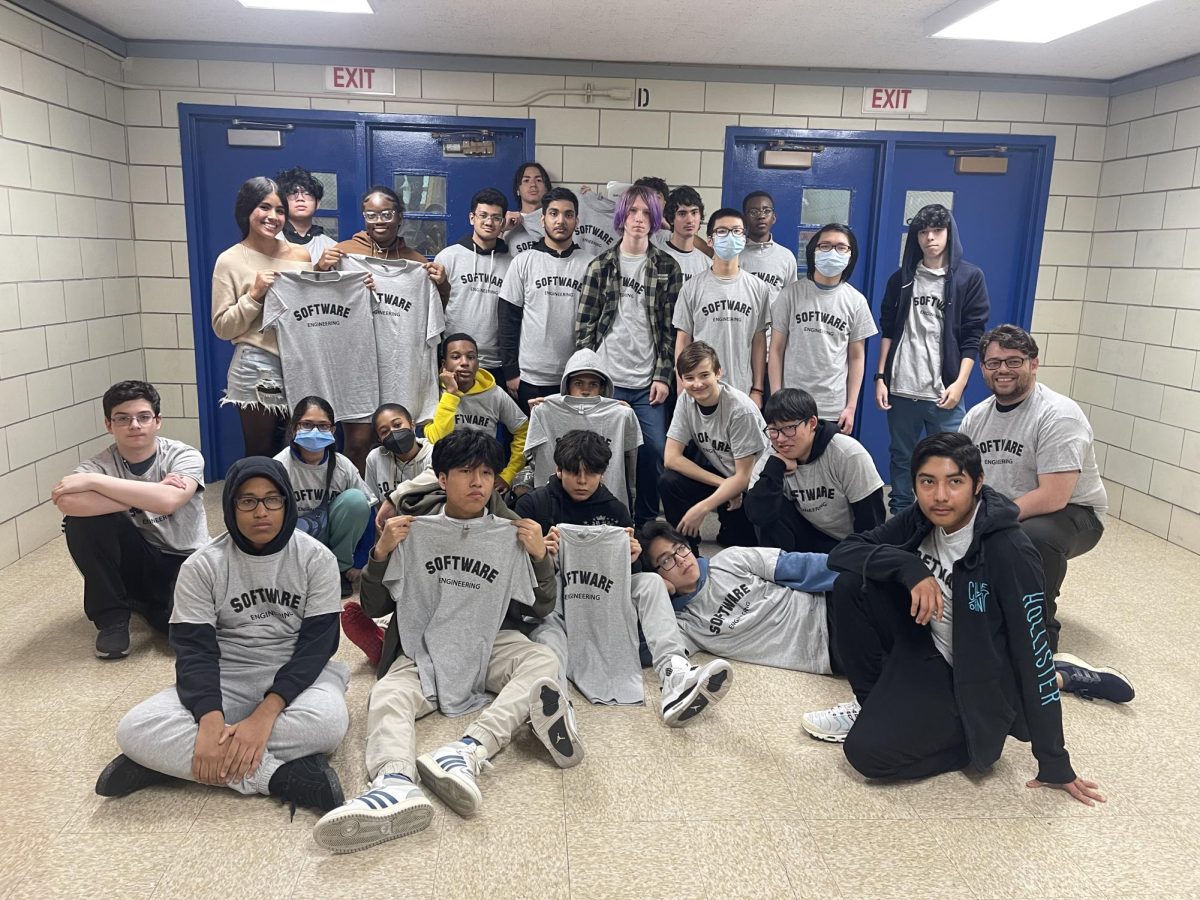
The SE pathway focuses on coding and building software applications. Students learn programming languages and work on projects that develop apps, websites, and programs. This pathway strengthens logical thinking, problem-solving abilities, and teamwork skills. Many students find it challenges them to break down complex problems step by step, which is valuable in any tech career.
In college, students may study computer science or software engineering to deepen their knowledge. Internships with software companies provide practical experience and help students connect with professionals in the field. Career options include front-end, back-end, and full-stack developers. These positions are in high demand and often pay salaries around $110,000 per year.
Strengths: logical thinking, persistence, teamwork, problem solving.
DDA (Digital Design and Animation)
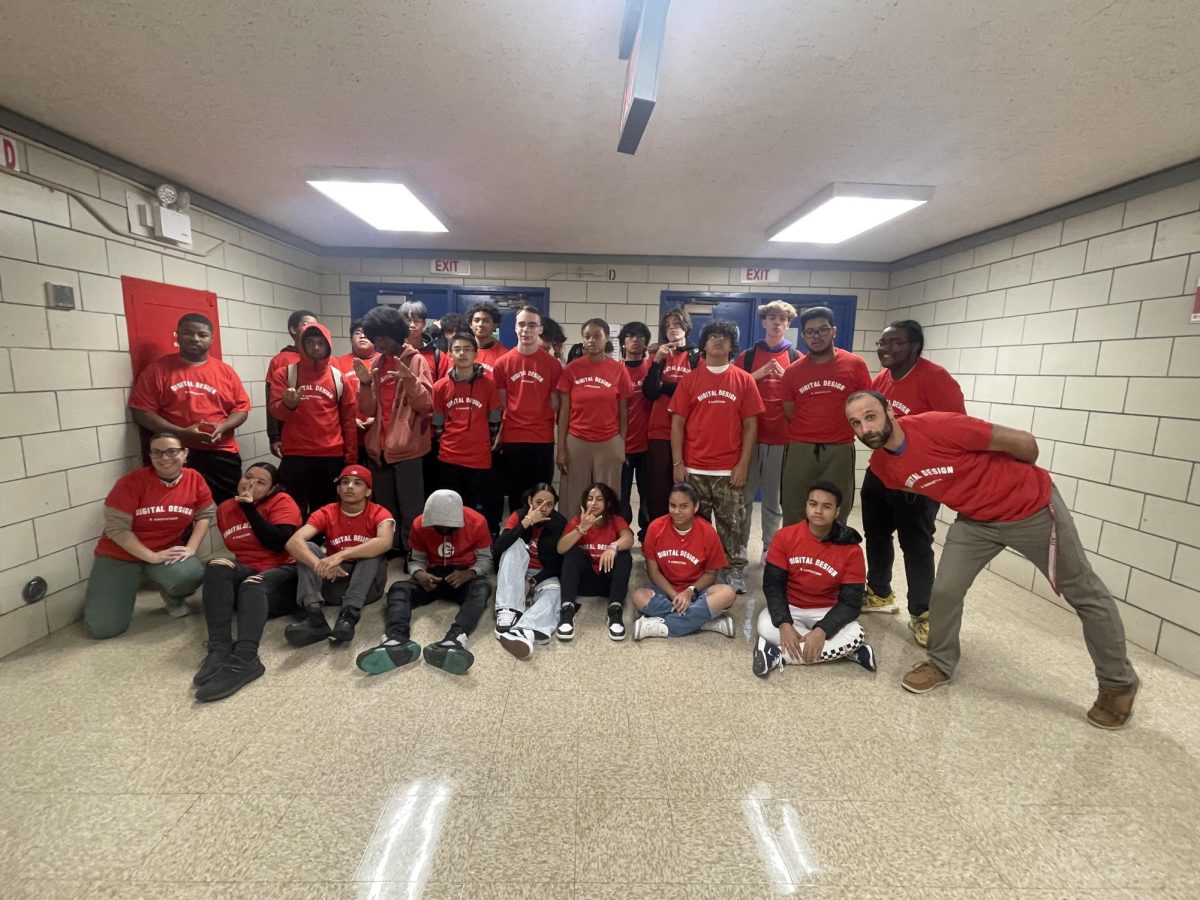
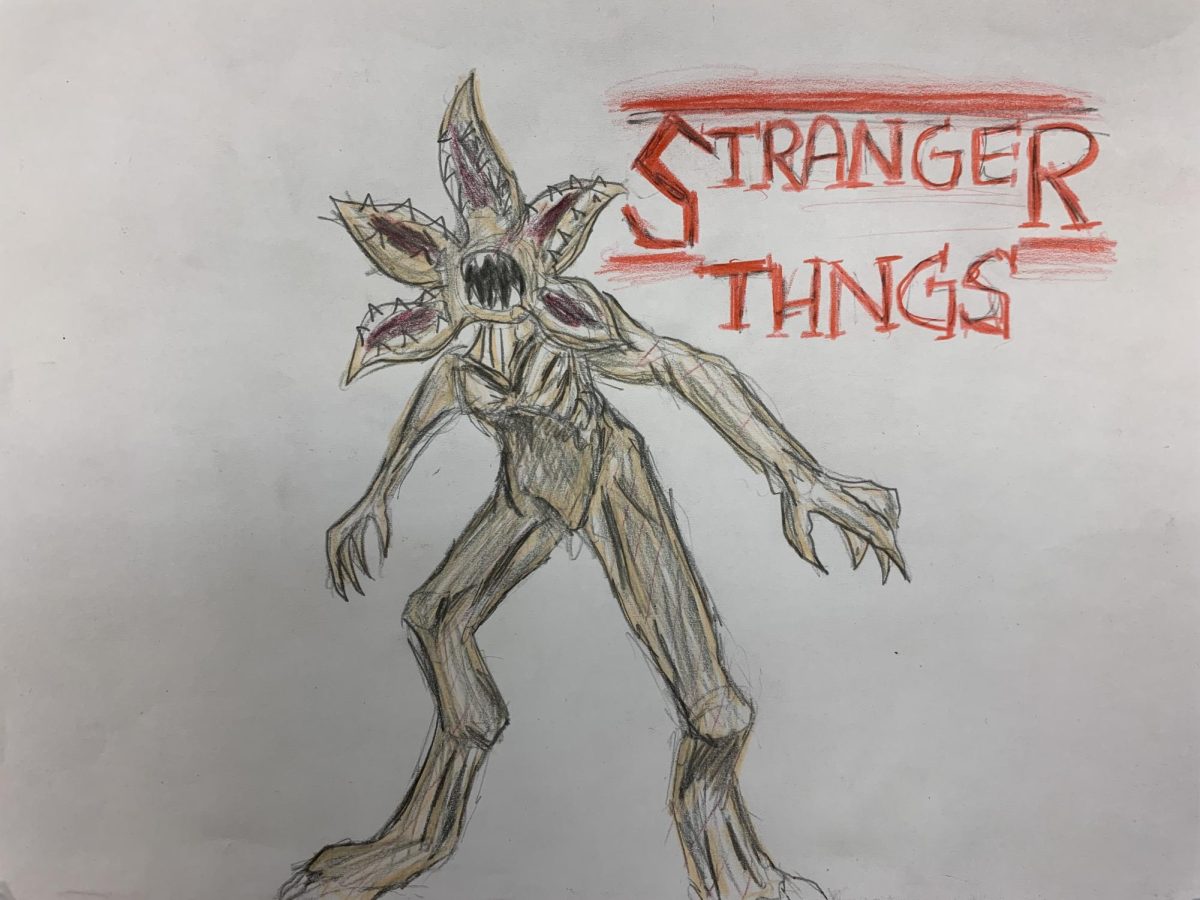
The DDA pathway emphasizes creativity and digital media. Students learn to create graphics, animations, and visual content for websites, advertisements, and other projects. Classes give them experience using professional design software while developing artistic skills. Students often say the pathway helps them combine creativity with technical knowledge and real-world applications.
Looking ahead, students can study graphic design, animation, or digital media in college. Internships or freelance opportunities help build experience and a professional portfolio. Career options include graphic designer, animator, UI and UX designer, or digital artist. Freelance work or specialized projects can further increase income and career flexibility.
Strengths: creativity, imagination, communication skills, attention to detail.
IT (Information Technology)
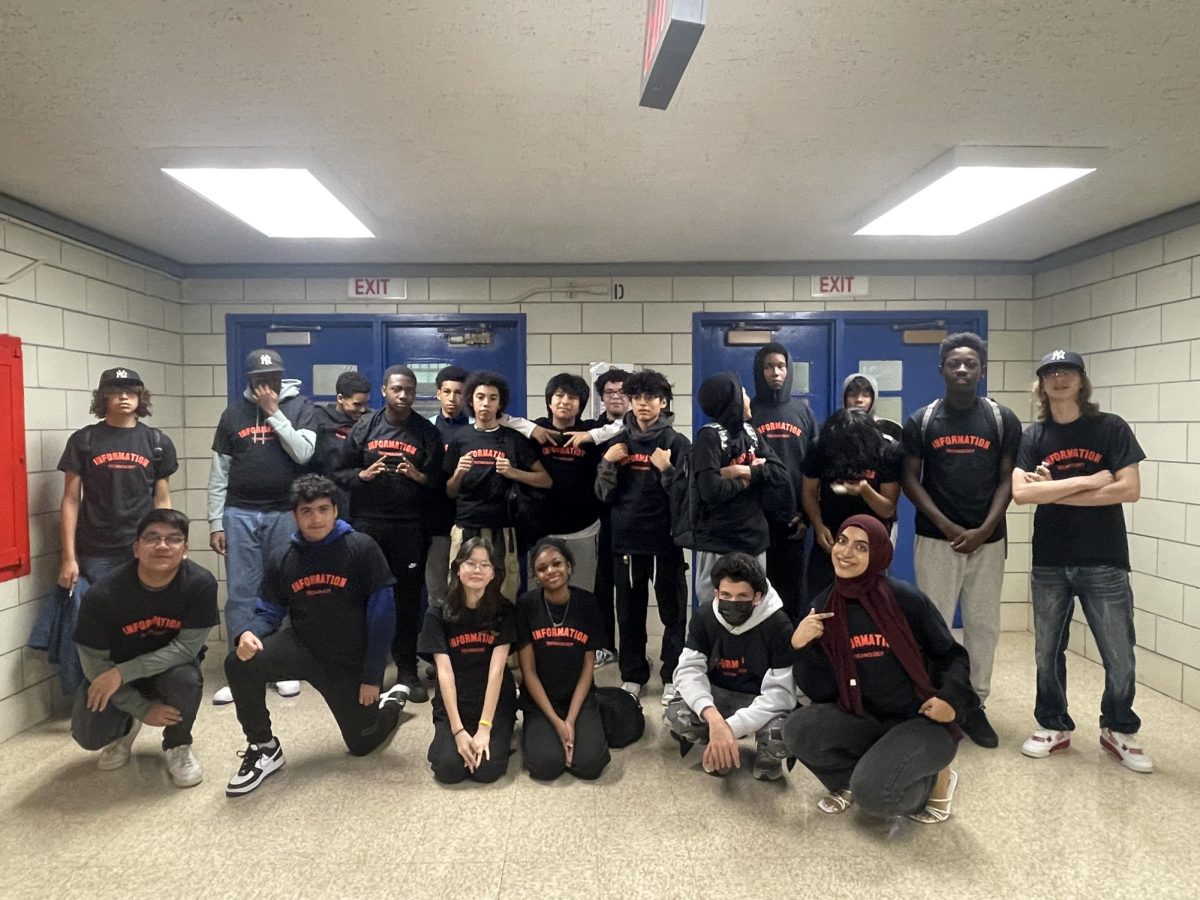
The IT pathway focuses on computer systems, networks, and cybersecurity. Students learn how technology operates behind the scenes, gaining hands-on experience with network setup, troubleshooting, and security measures. These skills help students think critically and solve real-world problems, which is essential for tech careers. Many students say IT classes teach them how to stay calm under pressure while handling complex challenges.
In the future, IT students can study cybersecurity, information systems, or computer networking in college. Internships at tech companies or IT departments give practical experience and connections for the future. Career options include cybersecurity analysts, network administrators, and digital forensics specialists. These jobs often offer strong demand and salaries around $100,000 per year.
Strengths: problem solving, patience, attention to detail, interest in technology.
Ultimately, choosing a major in high school isn’t about mapping out the rest of your life—it’s about picking a direction that excites you right now. Your interests will evolve, and that’s perfectly normal. Treat this decision not as permanent, but as exploring your interests and learning about what you like and don’t. Stay curious, keep an open mind, and trust that every class you take is just another stepping stone toward figuring out exactly who you want to be.