





























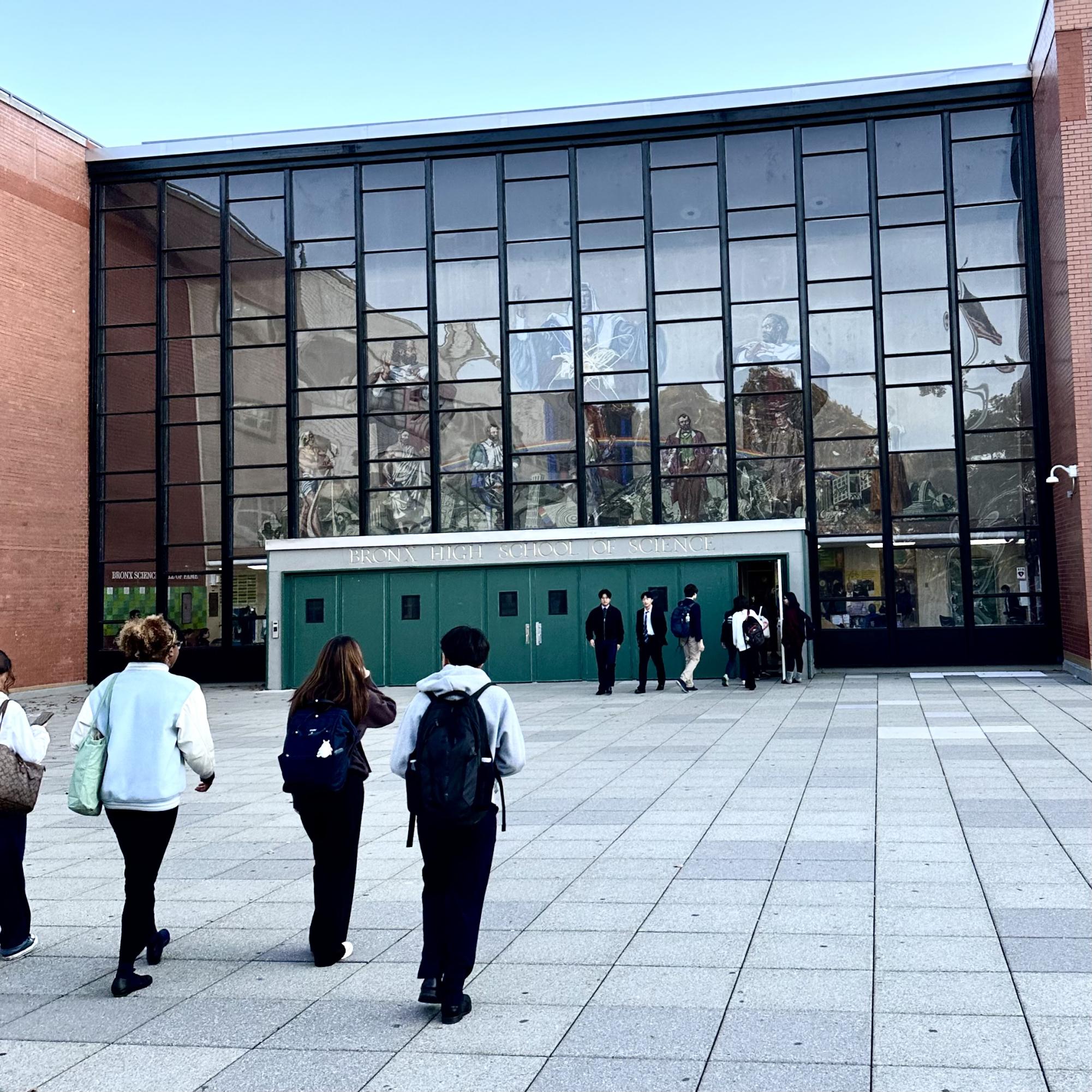
Segregation in specialized high schools is a pressing issue. In July of last year, Chalkbeat reported that Black students received only 3% of offers in fall 2025 (down from 4.5%), Latino students 6.9% (down from 7.6%), and Asian American students 54%.
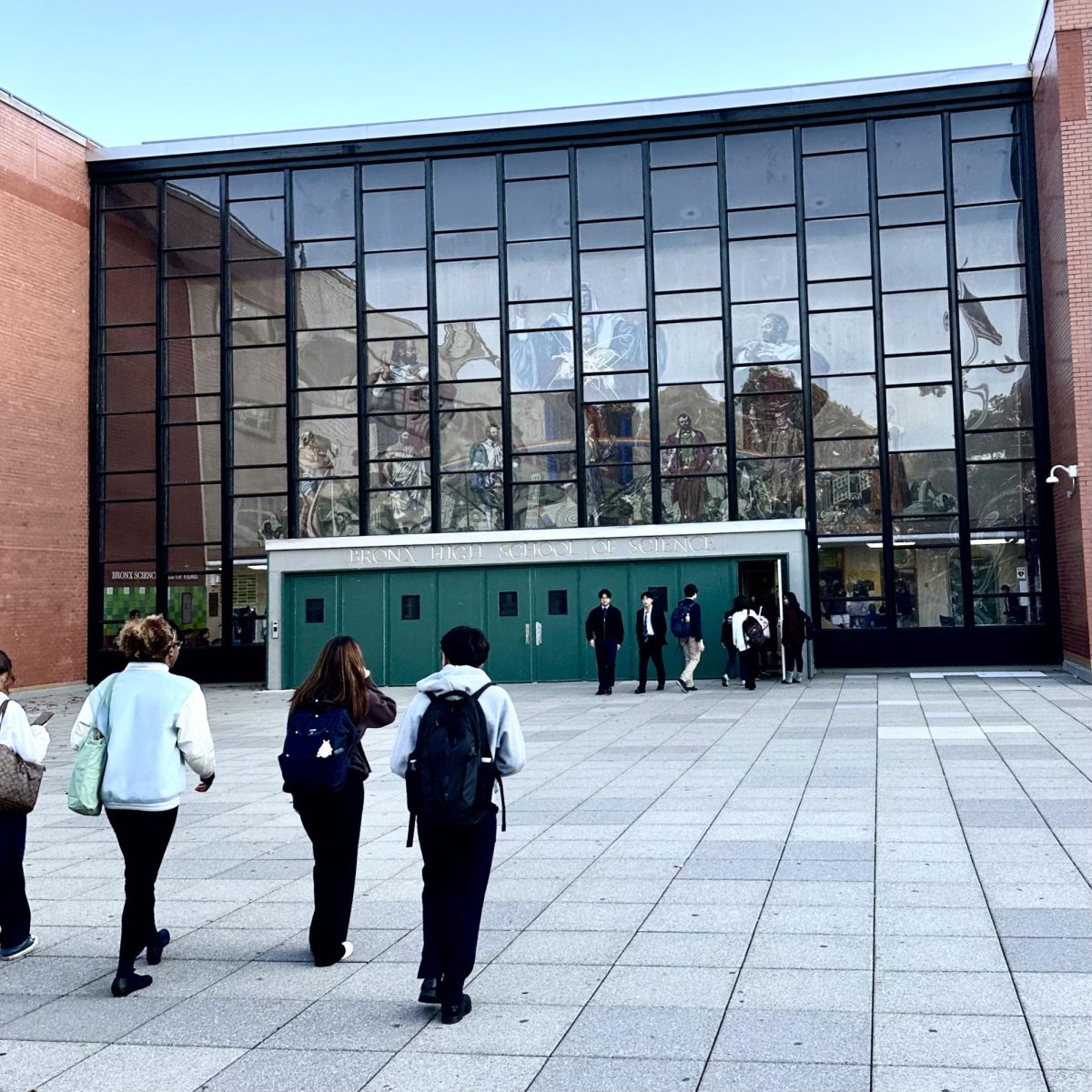
Stuyvesant gave 8 offers to Black students out of 781 total. Black and Latino students are barely accepted to specialized high schools, but white students and Asian American students are constantly accepted and enrolled.
Many people blame the Specialized High School Admission Test (SHSAT) for this, and New York City Mayor Zohran Mamdani initially campaigned on getting rid of the exam entirely. After facing backlash, he said, “So, is the SHSAT to blame? I’d argue that it isn’t.”
First, Asian American students generally have better academic results in school compared to other racial groups. According to Study International in November of 2018, many Asian American students get frequent messages from an early age about the importance of doing well on tests.
Test prep businesses may post an “honor roll” that features local youth and their elite college destinations. Relatives may stress that good test scores matter. In many ways, these messages reflect the influence of East Asia, where college admission is decided on a single high-stakes test such as China’s gaokao or South Korea’s suneung, where intense test prep is a regular feature of teenage life.
For that reason, many Asian immigrant parents see the SHSAT as the equivalent of Asia’s admissions tests. As a result, many conclude that test prep is a worthy investment. Asian American students are generally more academically prepared than Black and Latino students. That’s why Cardozo Law Review finds that 73% of Asian admits used prep classes versus 56% of Black and Latino students. It’s not fair to blame the SHSAT itself for segregation when the root of the issue is based on a cultural difference.
Second, white Americans, who statistically have more financial resources than Blacks and Latinos, have the ability to afford academic resources. That’s why a recent paper released by Opportunity Insights, a Harvard-based team of researchers and policy analysts, found that children of the wealthiest 1 percent of Americans were 13 times likelier than the children of low-income families to score 1300 or higher on SAT/ACT tests because the higher the income, the more the academic opportunities you have and the better you do.
This is why Spectrum News in July of last year found that 25.9% of seats in specialized schools being offered were to white students, meaning that white students are part of the second-greatest racial group to receive the most acceptances to specialized high schools in New York City.
The SHSAT exam is not at fault for the resource difference between white students and students of color, and getting rid of it will have little to no impact on discrimination and segregation that has already existed.
Finally, I disagree with the argument by people who oppose the SHSAT that it is risky to equality and expands segregation, because as I’ve explained before, the SHSAT does not cause segregation. Instead, segregation is the result of cultural differences and differences in economic opportunity.
If segregation gets worse, it’s most likely because of the increasing gap between students with low and high incomes, and as a result, an NYC DOE analysis reported last year that Asian students received 53.5% of offers despite being 32.4% of test-takers, Black students received 3% despite being 18.4% of test-takers, and the Discovery Program still enrolled 63.3% Asian students, so even prepping programs are segregated. Besides, the specialized high schools have a specialized exam to maintain their focus and elite status by selecting smart students.