














“But it’s a teen account!”
“It’s completely safe, all my friends have it!”
Are they really, or are they just excuses?
Instagram is the most used social media app by teens in the US, and according to a recent 2024 Pew Research Center survey, 62% of U.S. teens use Instagram daily.
After surveying 15 Beacon students, 73.3% would spend up to 3 hours daily. This adds up quickly each week without even noticing.
Going on Instagram makes it really hard not to lose track of time, with 66.7% finding themselves losing track of time.
“I feel like I wasted my time when I could’ve been more productive .” -Anonymous Beacon student
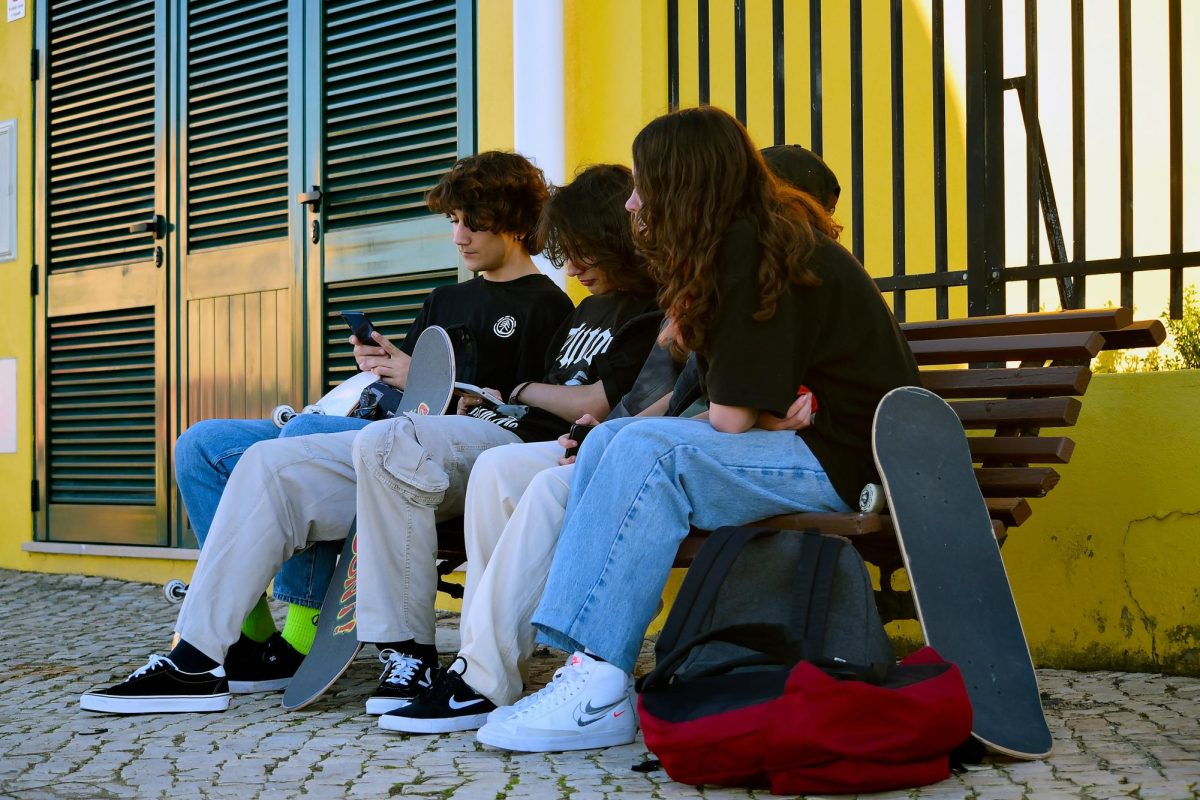
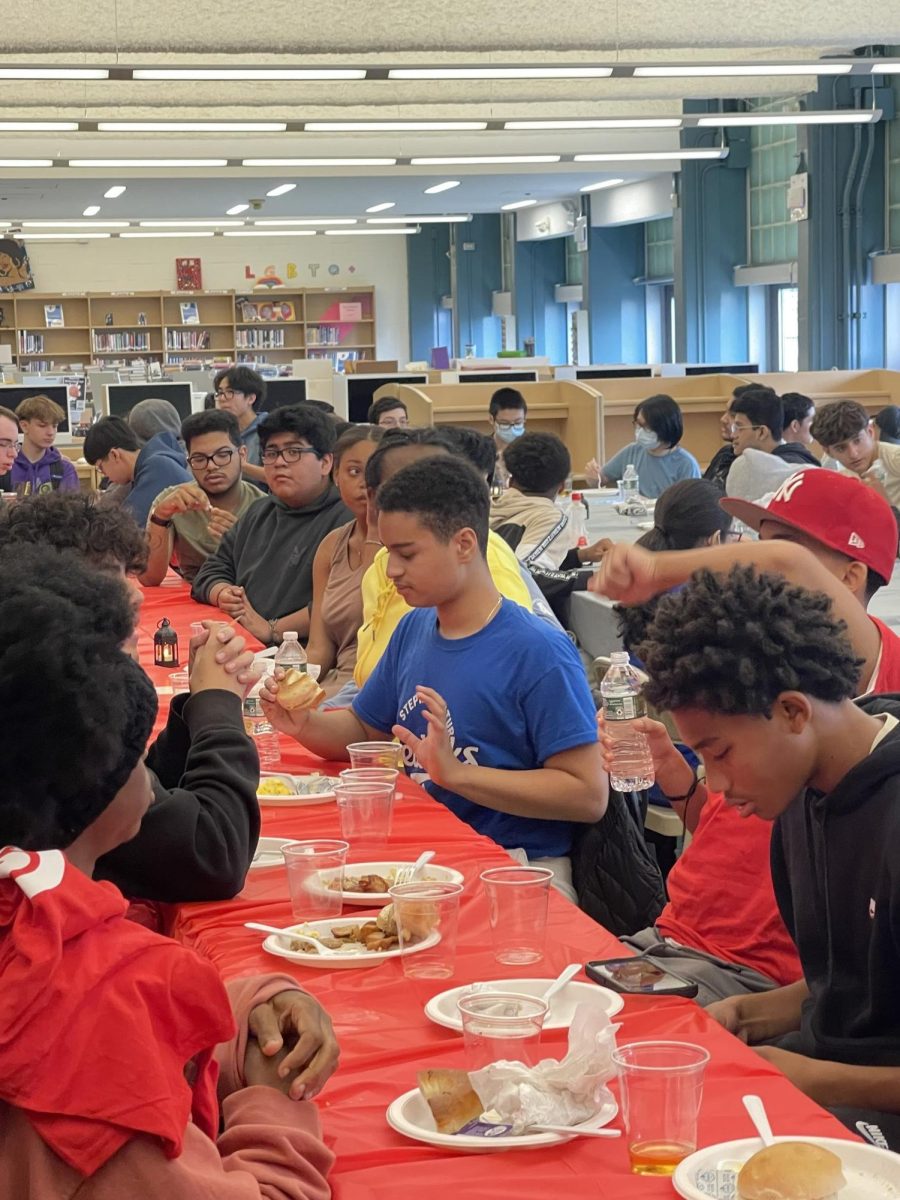
Instagram has had a chokehold on teens ever since the early 2010s. It has become a daily thing to pick up our phones and scroll endlessly. Meals with a side of scroll have become a specialty, and “breaks” insisted on scrolling as well.
It’s our job as society to make sure that something used so often by the most vulnerable ages is as safe as possible.
Instagram introduced Teen Accounts on September 17, 2024, due to concerns from parents about the safety of young users. Teen Accounts are promised to enroll teens into a safe app experience with built-in protections. These protections include age verification, parental controls, and private accounts. However, these protections didn’t have much execution.
6 months after the “protections” were put in, almost 60% of kids aged 13 to 15 have still complained about coming across unsafe and unwanted DMs. To add on, nearly 60% of the kids who received those unwanted DMs believed that they were sent by adults, and out of the 60%, 40% of the teens received unwanted DMs from people who wanted to start a sexual or romantic relationship with them.
Out of 15 Beacon students, 60% received uncomfortable content/messages.
Though these features can help, at times, they aren’t as effective as they might seem.
Moving on to something that impacts us socially, DMs.
We have all seen DMs as a way to privately converse. Our safe space without actually talking on the phone or meeting up with someone in person. Something that was personal, efficient, and easy. However, there have been concerns regarding this.
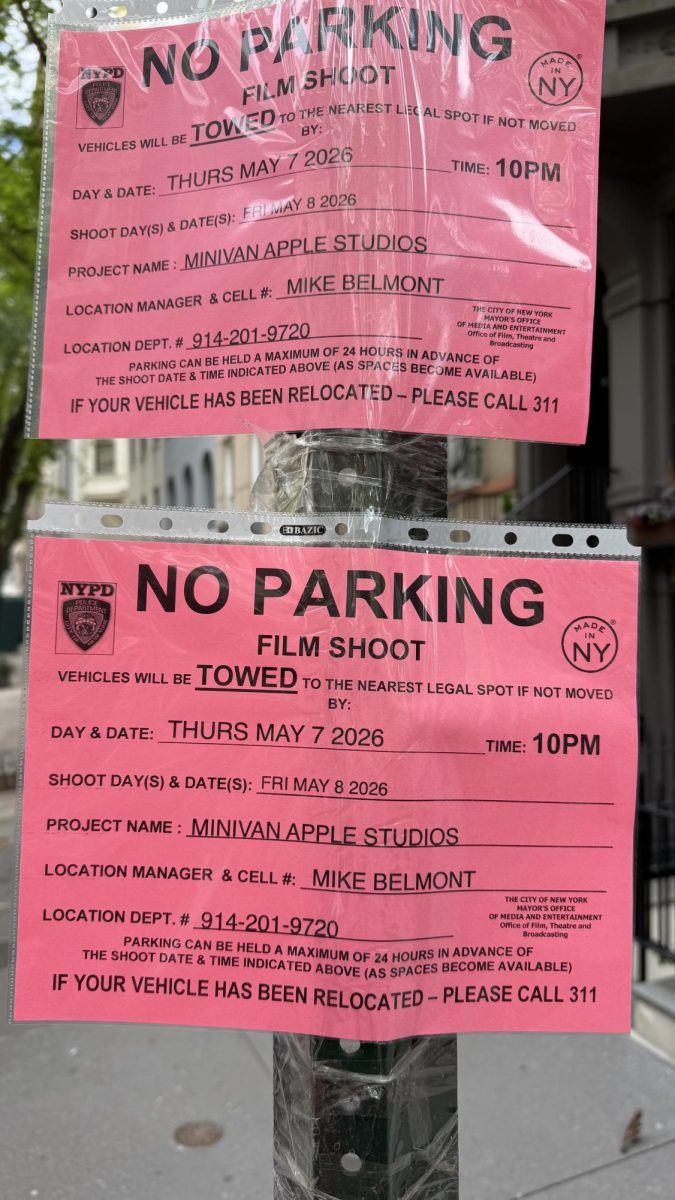
Starting on May 8, 2026, that might not be the case anymore.
There has been a recent concern stating that Instagram will remove the end-to-end encryption for DMS on May 8, 2026. End-to-end encryption, also known as E2EE, is a secure communication method that ensures data is encrypted on the sender’s devices and decrypted on the receiver’s devices.
So the allegation is that Meta, the parent company of Instagram, will be able to access all messages. This hasn’t been confirmed or contradicted, but it has made people question whether their privacy is guaranteed anymore.
One Beacon student said, “ I don’t really think they are because someone could always screenshot messages and share them without me knowing, and also I feel Instagram can track your messages because they don’t have end-to-end encryption like WhatsApp and other apps, so that’s why I think they aren’t really private.”
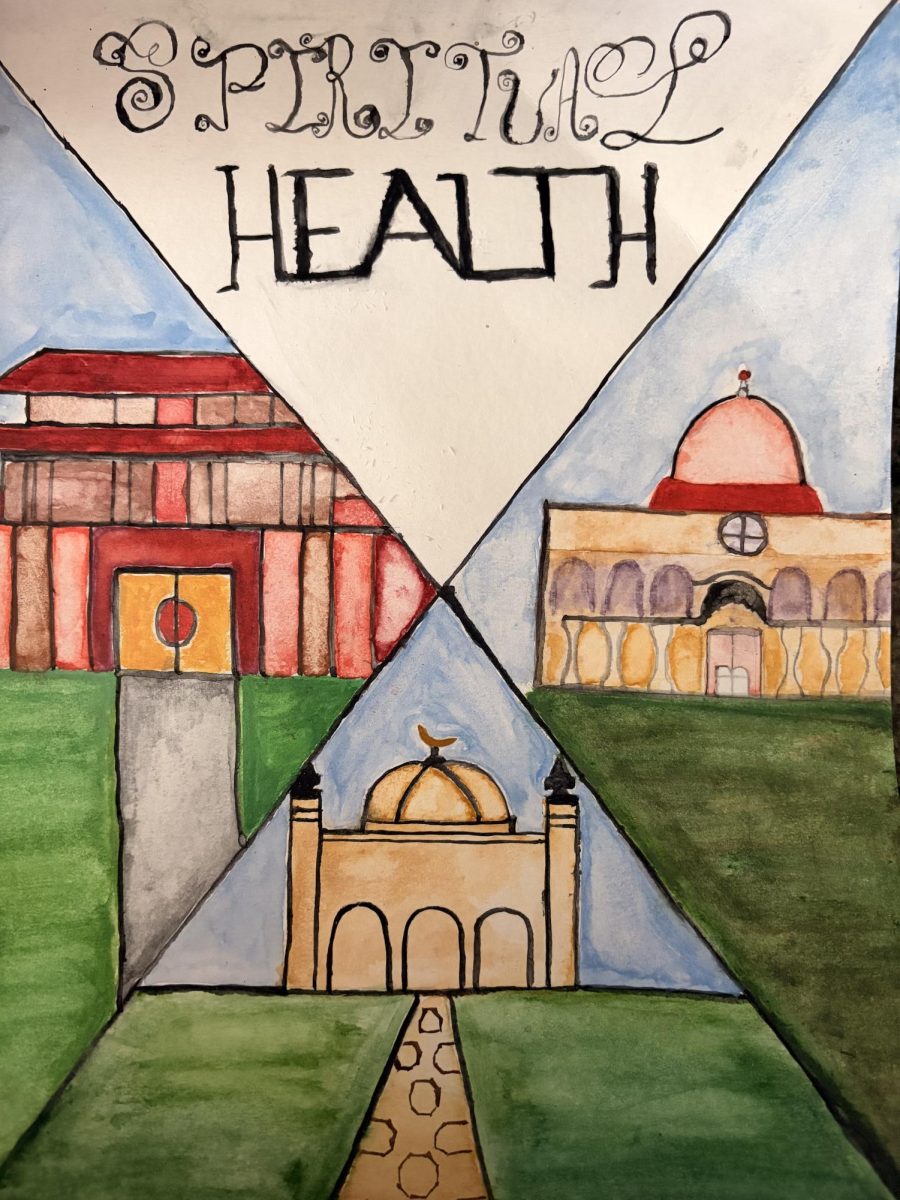
According to the American Psychological Association, the more time a person spends on social media, the higher the risk for that person to experience or develop mental health symptoms such as anxiety, depression, insomnia, lack of hope, and low self-esteem. And once these mental health challenges come in, it’s hard to back out, not to mention time-consuming.
These are just what some Beacon students said:
“I think Instagram is kinda more harmful because it’s a good app to like communicate on and get like tips and stuff but other than that all the negative comments and videos on it are very harmful and also if someone doesn’t have a good mental space and their on Instagram and seeing videos of the ideal things that they don’t have it might damage their way of thinking even more.”
“It’s entertaining, but it’s more harmful because anybody can engage with you.”
“I do think it’s really harmful; it can easily give people insecurities like body dysmorphia or eating disorders. Influencers lie or over exaggerate all the time about how great their life is, and it can make normal people feel like their own life is dull or boring. It’s just toxic if you get sucked into it.”
So, yes, teen accounts are helpful, but not to the extent we think they are.