

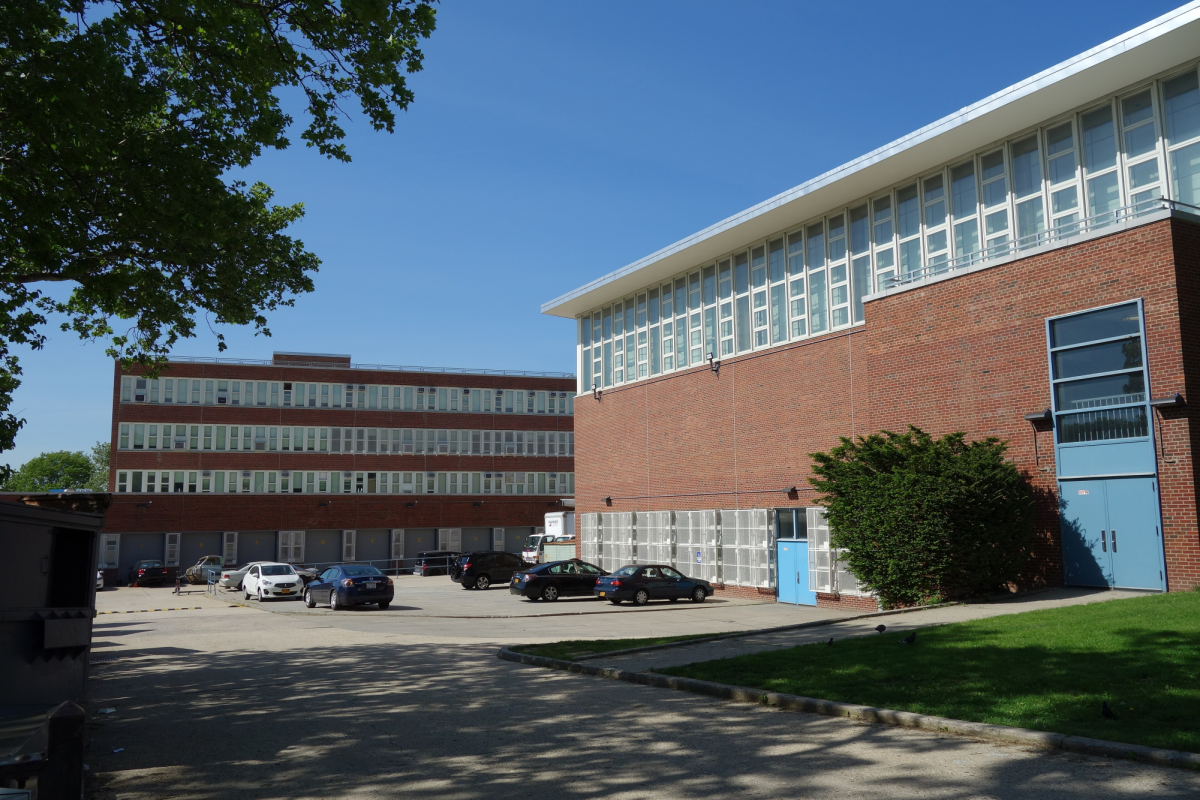











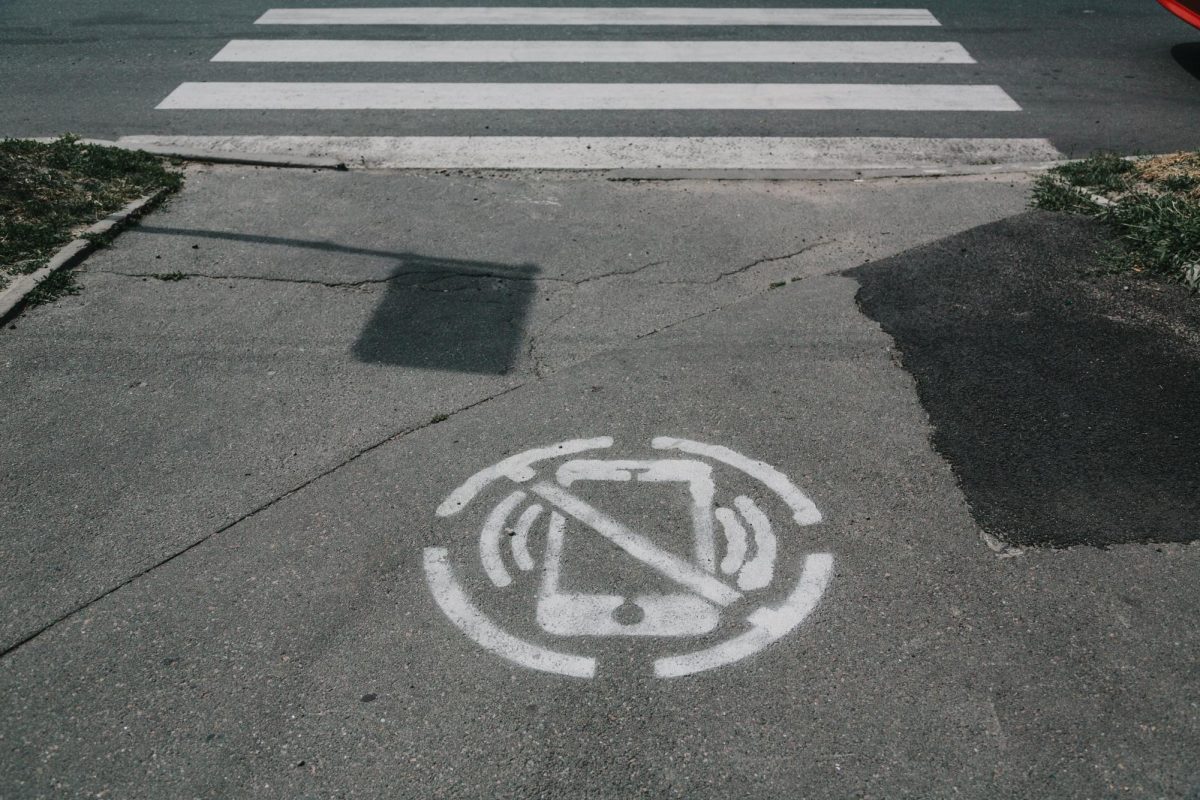
Imagine going to school without access to the outside world. That is now the reality of every school in New York. Here’s how the Academy For Young Writers in East New York is handling it.
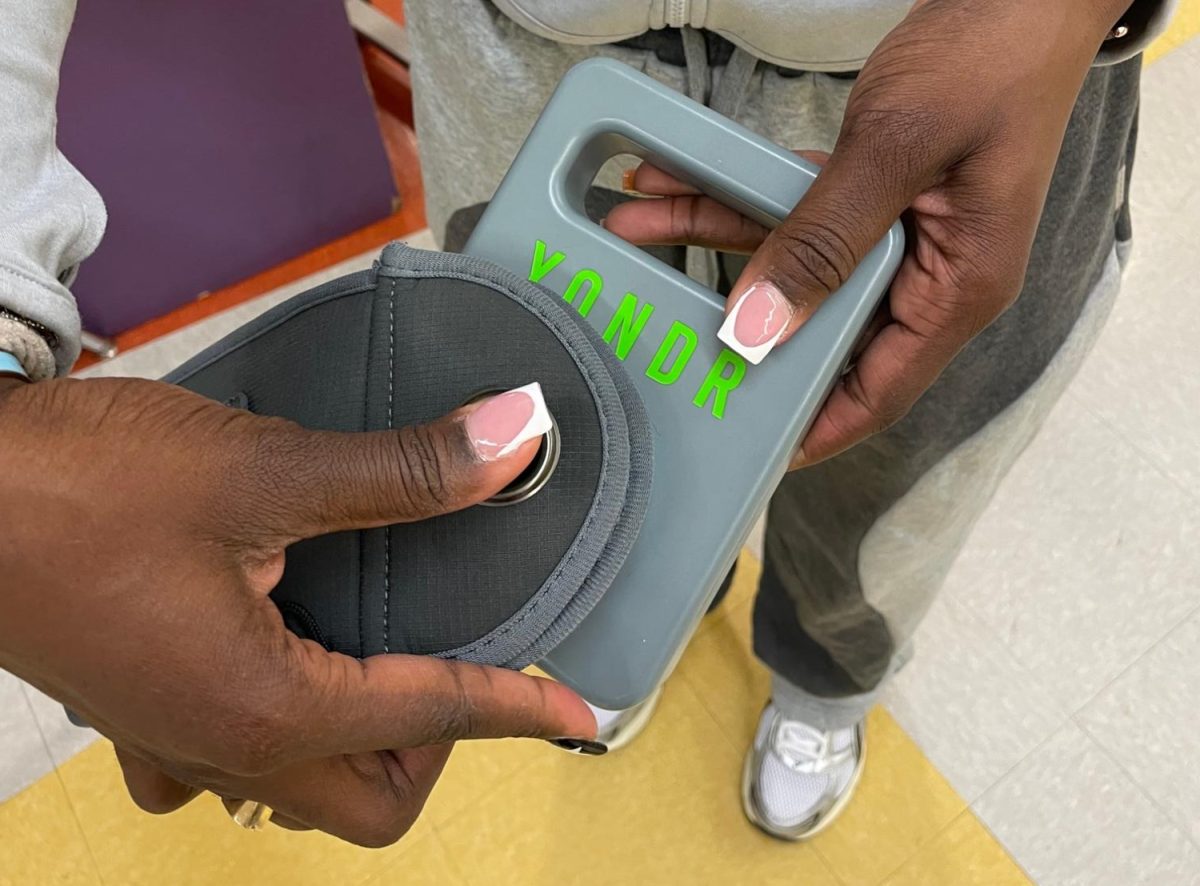
On September 4th, 2025, students returned to school after summer vacation to be faced with hard–plastic containers with magnet locks entrapping their phones from the moment they walk into the building, until the moment they walk out. These new NuKases by NuGerm are one of many ways schools all over New York secure phones now that the mandatory phone ban has taken effect. This ban is the country’s largest phone restriction to date, affecting 2.82 million students, according to NYSED. 13 other states have gone through cellphone restrictions as well.
In November, a new policy was placed where the school keeps the phones in the cases and returns them during dismissal.Every student now has their own case that is assigned to them with a number. This policy has been placed to stop students from breaking the Nukases
“Horrible”,”unsafe”, “unnecessary”, and “unfair” are some words freshmen used to describe the phone ban. “I feel like the ban undermines my high school experience because I can’t document the memories I’m having with friends in school,” said an anonymous 9th grader.
Sophomore Anthony Rivera feels both positive and negative about the ban. “It’s okay to not have my phone for 6-7 hours, but why can’t we use it during lunch?” he said. Anthony feels like he’s talked to more people than before and he can express himself more.
Other students feel mostly negative about the phone ban because, in the words of junior Terrell Young, “school is dangerous and unreliable.” Young went on to talk about his freshman year at AFYW, when there was an emergency in the school and he couldn’t get the school to contact his mother. “I was scared and I was texting my mom because she couldn’t get in contact with the school,” said Young. When asked about what he would change about the policy, Young said, “I wouldn’t let the teachers have their phones either because it’s unfair…they could use walkie talkies to contact each other instead.”
“I understand why the phone ban is happening. Phones can be distracting in schools, but taking them away feels like stripping away our freedom, which is tedious to have to wait in line to unlock it [afterschool]” said Harry Perez, senior and fellow writer of the Writer’s Weekly. Plus, not having our phones, If something happens, [Nukases] can make things less safe; It’s scary that in an emergency, we can’t contact our parents.”
While many students in AFYW are more opposed to the ban, the staff of AFYW feels like without access to phones, students are doing better without even realizing it.
Former Dean Eli Scherer said, “The phone ban is safer because students are more focused and there are less instances of students texting their friends midway through class to ‘go to the bathroom’ and skip.” Mr. Eli believes that the phone ban can also bring more real-life connections between students. “If one thing were to change, I would have more socializations and activities during lunch,” he said.
Ms. Martine, who works in the main office, believes that students should have phones during lunch or recess. “But there’s not enough manpower to lock up the phones after lunch is over,” she said.
Most students at AFYW are not in favor of the ban, and there are some who actively refuse to adjust to it by attempting to work their way around it. Some students bring two phones to try to lock one in the NuKase in order to use the other one in school, but the metal detectors usually detect the second phone. Other students have broken their NuKases and then discarded the cases, but the school charges $50 when a case is broken.
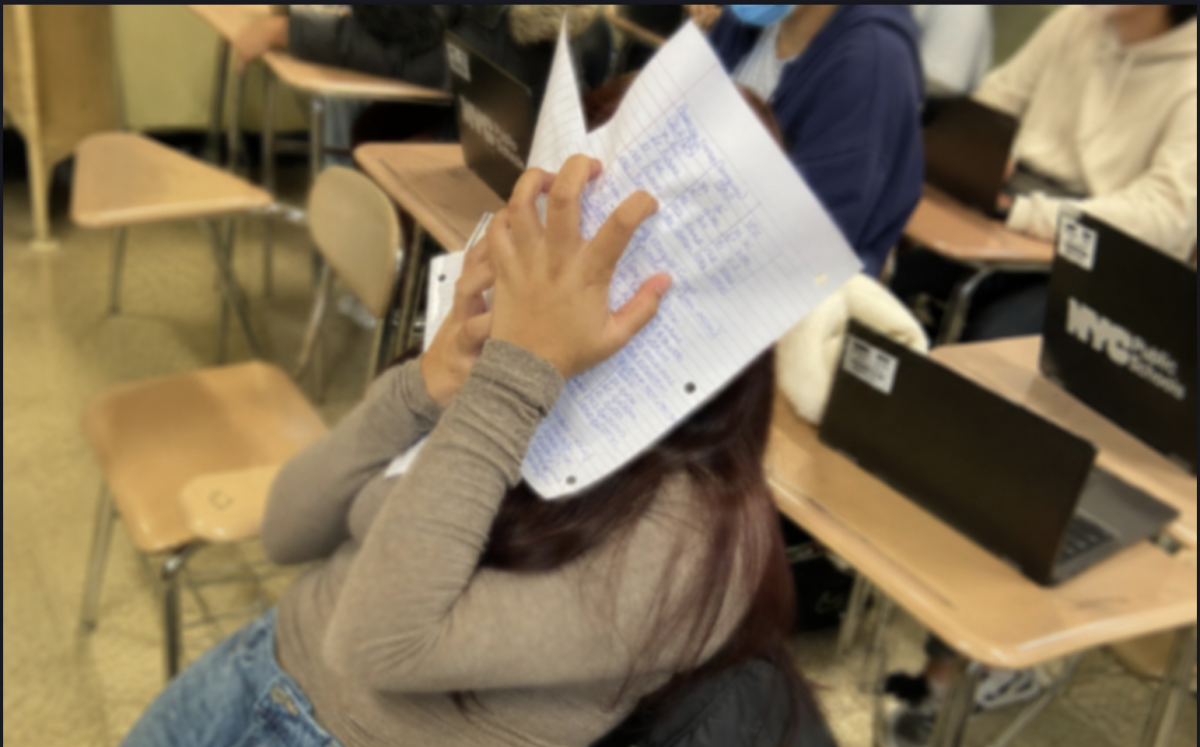
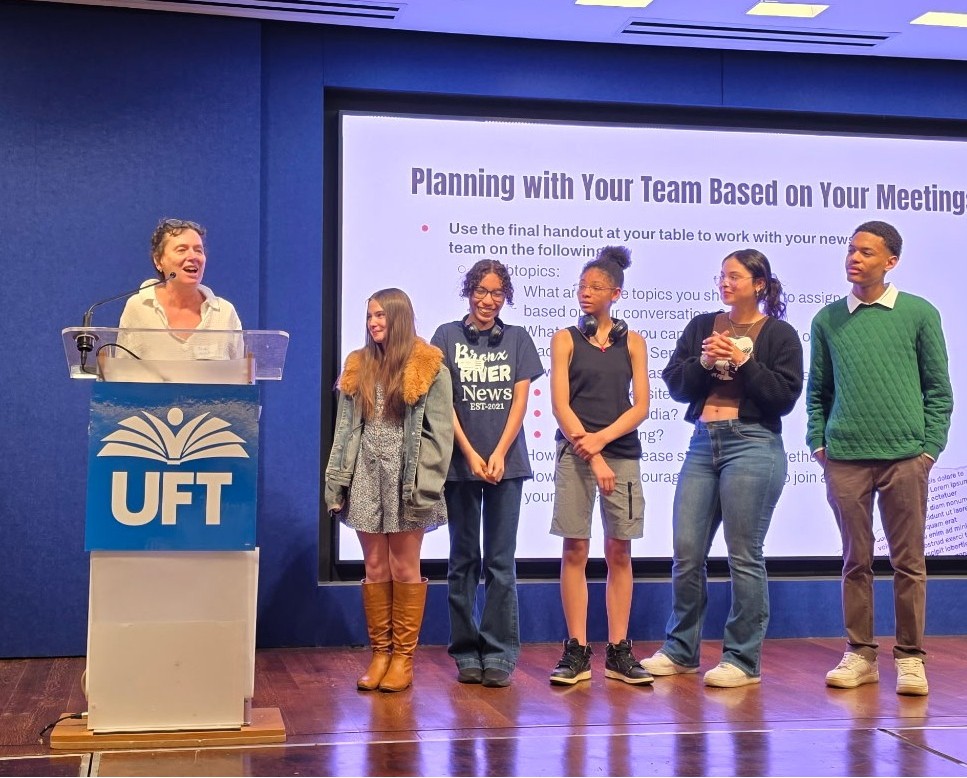
Without phones, many resources have been taken away from our student journalists. Last year, the staff of the Writer’s Weekly used their phones to record interviews, take photos of events, and document what’s going on around the campus. But without phones, we have resorted to using notepads, which means we have to write down everything someone is saying when interviewing instead of getting a voice transcription. We also can’t give timely news on the newspaper’s Instagram page because we have to wait until after school to post.
Whether it is viewed as a necessary step toward improving focus or an overreach into student freedom, only time will tell how the ban will affect learning, classroom dynamics, and daily life in AFYW.
If you want more information on the New York Cell phone ban, Please visit: