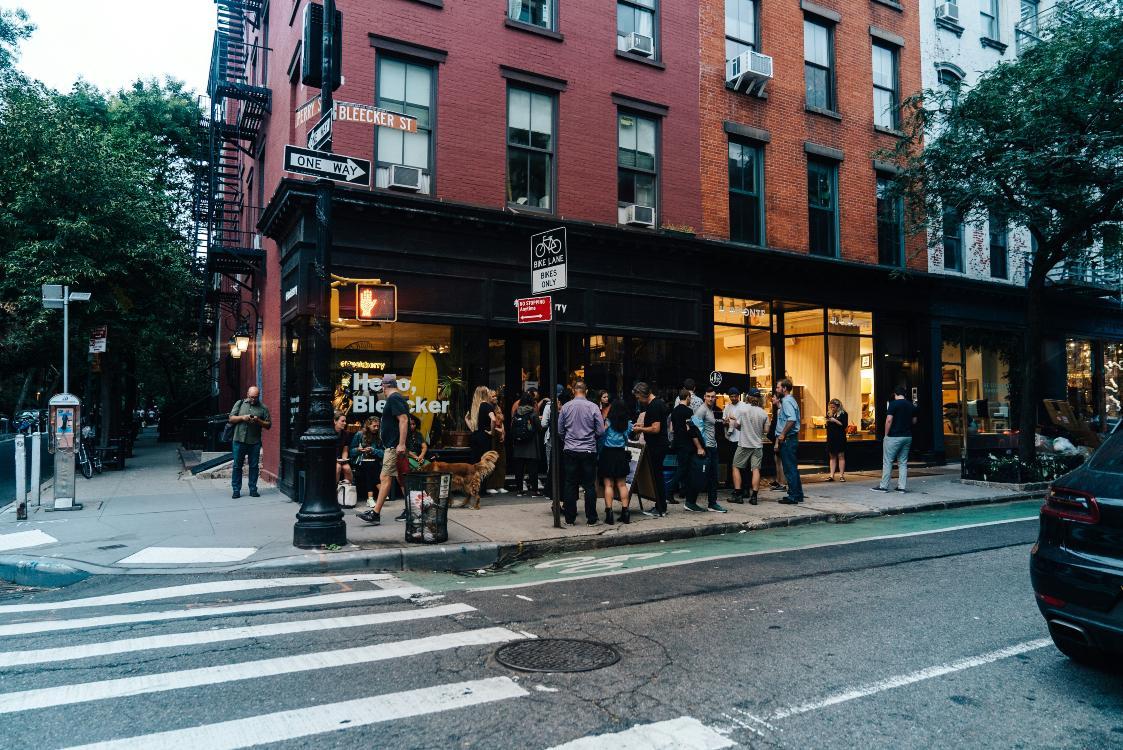






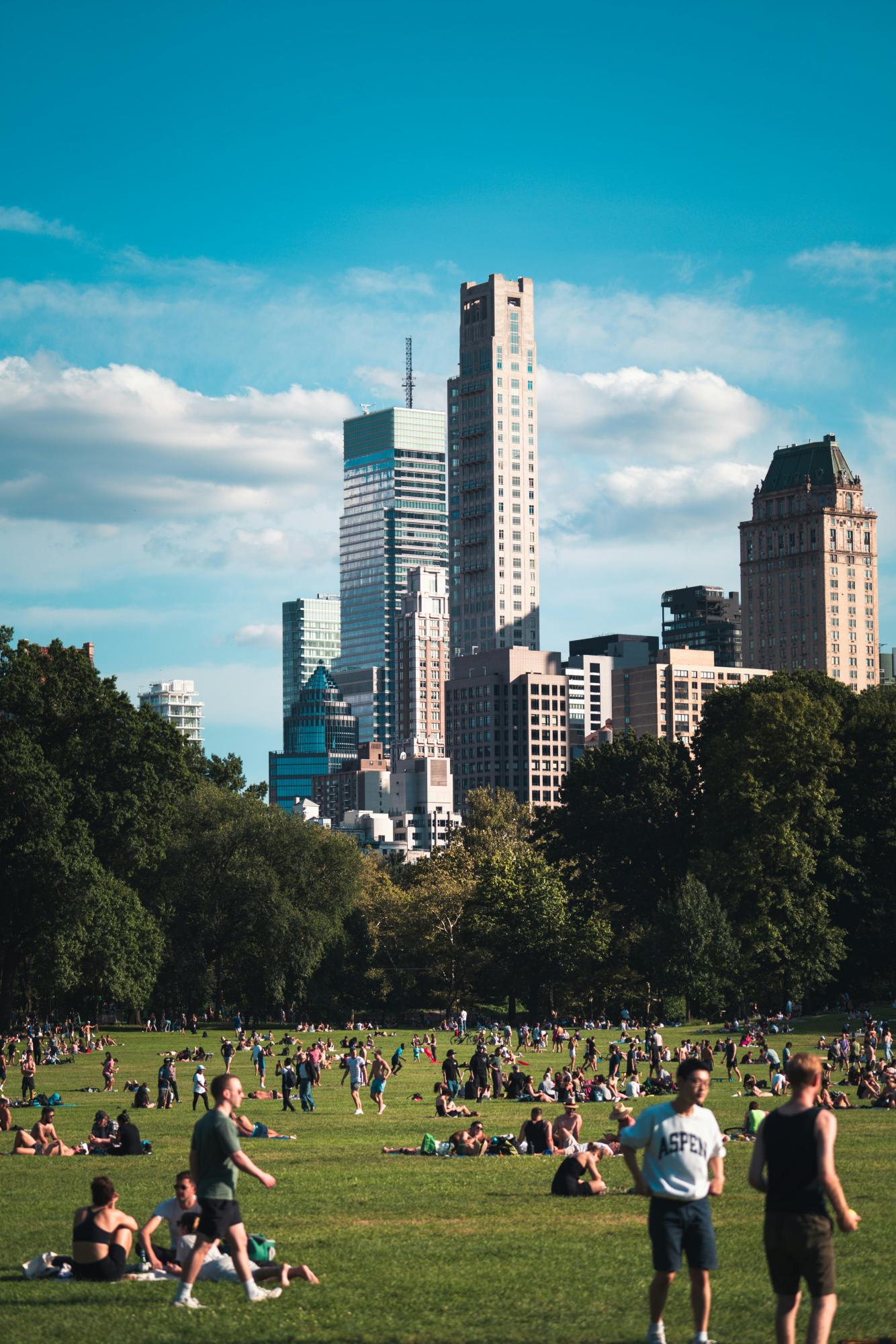
The poet Chimamanda Ngozi Adichie once said that “the consequence of the single story is this: It robs people of dignity. It makes our recognition of our equal humanity difficult. It emphasizes how we are different rather than how we are similar.” As such, there is not one single immigrant story or experience in this city and the people who have immigrated to this city, no matter their age, upbringing or culture, have a multitude of unique stories to tell, and the immigrants all have their own motivations for coming. I wanted to look at three different communities in three different boroughs to examine the journey of people from all over the world to NYC, showcasing how their stories weave through environmental, societal or economic changes.
QUEENS:
According to DataUsa.io, approximately 47.3% of Queens County’s population is foreign-born, which may explain why it feels so intrinsically tied to immigrant experiences now. In New York City, and especially in Queens, residential areas are largely surrounded by detached gardens and overgrown shrubbery; this is reminiscent of many villages in the Caribbean islands (Jamaica, Guyana, etc).
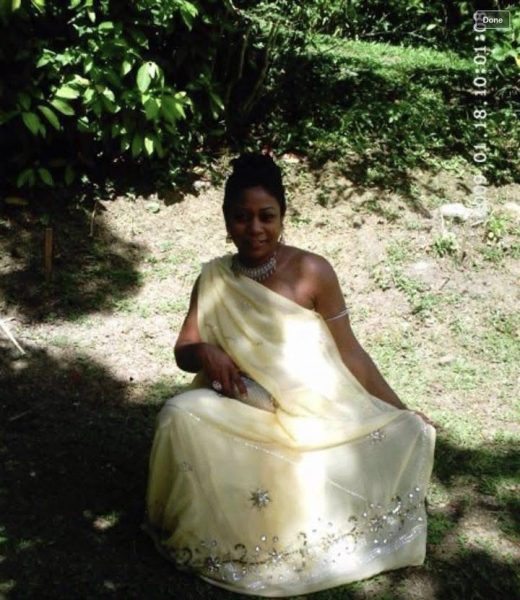
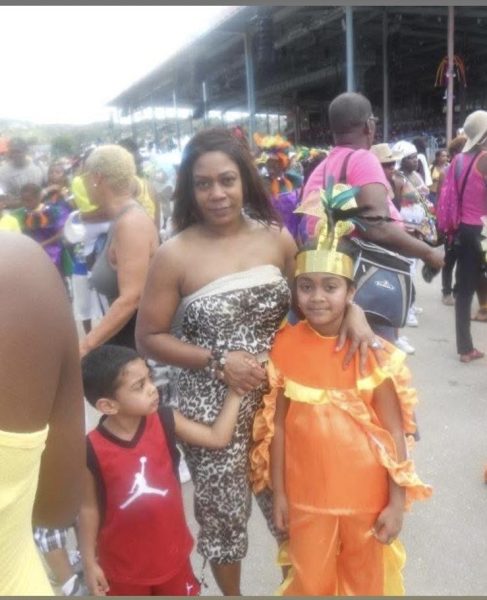
For Gita Paul and her son Jayden Montrose, they see parts of Trinidad reflected in their neighborhood. Due to her family not really supporting or guiding her decision, Mrs. Paul initially didn’t intend to stay any more than a few months. She recalls realizing how she would start “doing things that Americans would do…it becomes normalcy for you and you have a routine. You make your own foundation and it’s no longer a dream.” Eventually, despite the struggles of trying to make it on your own, she found a home that she could develop a family in. She found a village.
Rochdale Village, located in Southern Queens, opened all the way back in 1963. At the time, it was the largest housing development in the world, and was designed to be a “city inside of a city”. It was built on top of the old Jamaica Racetrack and its founder, Abraham Kazan, believed that affordable housing should be more accessible for working class families with moderate incomes. Needless to say, it breathes a certain feeling of vitality into its residents. The tall oak trees cast a massive shade over every building, protecting residents from the sun beaming down on them. Playgrounds and basketball courts are spread about the neighborhood and it seems to come alive in the early evening, as the elderly population, some of whom have lived there for over 40 years, come out for a brisk walk or a breath of fresh air.
Jayden believes that once you enter Rochdale Village, any possible worries are swept away by the scenery. “Even just taking a walk by the community center is extremely calming… It gives me hope walking past the different buildings and seeing the old generation interact with the new generation.” However, although New York City is seen as The Land of Opportunities, for some, it fails to be the city that they dream of experiencing. Jayden and Mrs. Paul both reflected on the fall from grace New York has experienced over time. From being the “melting pot filled with opportunities and connections” to what they described as “an empire plagued with increasing tax/unemployment rates and a homelessness crisis,” they both took some time to ponder on why exactly they stayed. Though, the answer was simple. “After spending so much time here, you get used to the city. It becomes like a second home, and you find your own niche. You find your own reason to love New York and you settle down. Do we miss Trinidad? Sure. But our little life here is perfect for us as well.”
MANHATTAN:
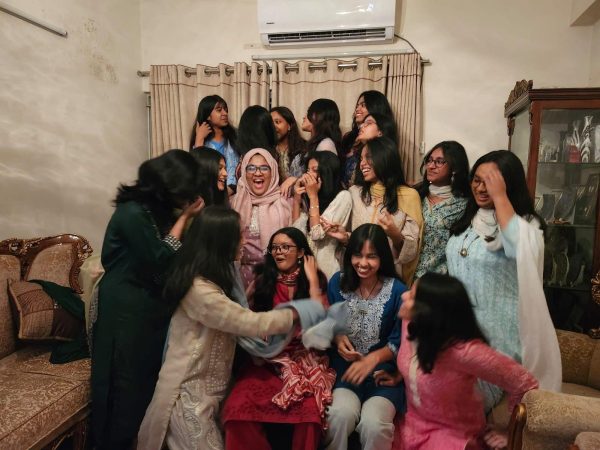
Contrary to Jayden and Gita’s experience, Lubana Hoque’s neighborhood doesn’t always feel like home. After having to move here from Bangladesh in August 2025 due to her dad’s status as a diplomat, her family was placed in Midtown Manhattan. According to her, it can feel “overstimulating” with the constant traffic and bustling crowds. The glamour and the glitz of Midtown made it hard for Lubana to find somewhere that reminds her of home effectively. There were no more street vendors selling mishti or mountains of dirt and rubble peaking down at carved out cobblestone paths.
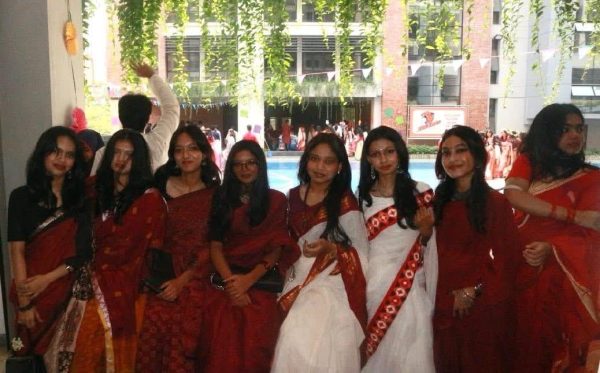
From the beginning, she didn’t necessarily have a positive perception of the states. As a matter of fact, due to the extreme rigor of Bangladesh’s school systems compared to ours, she thought kids her age here would be dumb or academically behind. “Back home, a lot of my friends and family would talk to me about how Americans were less intelligent than us. Once I came here, it was definitely surprising that the education wasn’t as terrible as everyone would make it seem.”
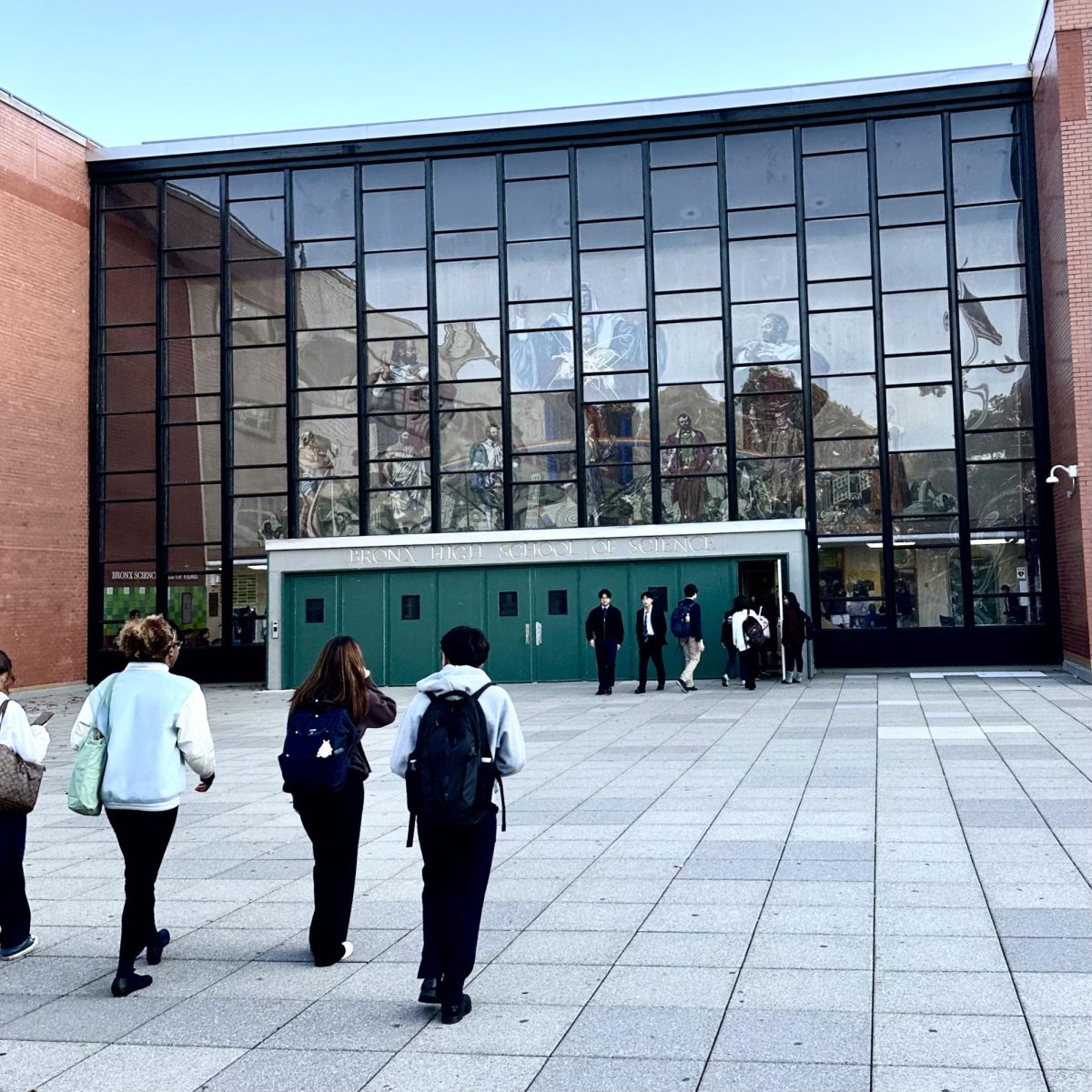
Something that especially shocked her about the states was the diversity. It was kind of beautiful to her that she could find so many different cultures represented in a tiny area. “In Bangladesh, everyone’s the same for the most part. But here? No one’s story is the same.” Even though it’s not her favorite place for her to be, she loves to roam around and explore the city. “Sometimes I’ll be out for hours in Manhattan just exploring my surroundings. I want to get on that wrong train and walk through that neighborhood that I know nothing about. It’s fulfilling to me.” Despite not living in Queens, Hoque attends school there at Forest Hills High School. She also has many friends who live across neighborhoods in Queens like Hillside, Astoria and Woodside. Clearly, she spends a lot of her time there. But what she didn’t expect was to find a true “home away from home”: Jackson Heights.
Although Bengalis in Jackson Heights only make up about 3.5-8% of the population in Jackson Heights, this feels like so much more because the Bengali members of the community are densely packed into a few streets along Roosevelt Avenue. Mainly, the stretch from 69th Street and Fisk Avenue to 74th Street and Broadway. It’s as if the neighborhood comes alive in this short but culturally significant portion of street vendors and restaurants. Every New Yorker knows about the struggle of a crowded sidewalk, which Lubana found strikingly familiar. “When I go to Jackson Heights, there’s always this feeling of warmth and protection in me. It’s not perfect, but it reminds me of the chaos of home a bit.”
BROOKLYN:
Viktoriia Yatsyshyna immigrated to New York City from Ukraine 3 and a half years ago because of political tensions between Russia and Ukraine. Contrary to the other individuals in this story, she had no idea America even existed when she was younger: “Once I started learning about (the states) in school, I always wanted to find out what was happening on the West Coast.”
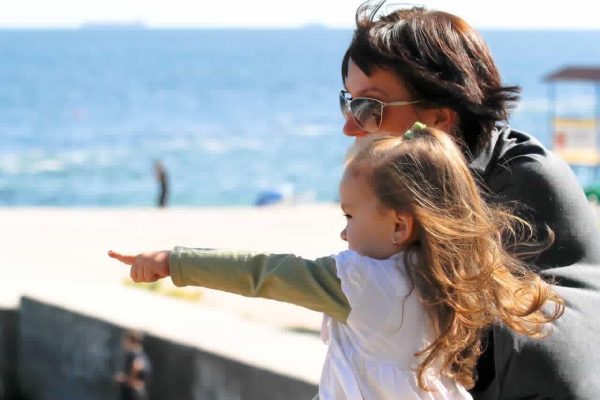
Although she wished she came here under different circumstances, she feels that her life here was set in stone. If she’s here, she’s here for a reason, and wants to make the most of it. “The risk I took coming here was definitely worth it. I think coming to this completely unknown place left me with much more benefits than I expected.”
Demographic studies from 46% of residents in Flatbush and Midwood reported speaking a non-English language at home and about 15% of the residents in both communities are non-U.S. citizens. This showcases a broad and diverse living demographic, which is reflected in her experiences at school. “At Midwood (high school), I started talking to a lot of people from many different cultures and countries. I still talk to a lot of them now, even though we met when I first came here,” said Viktoriia.
Similarly, Brooklyn in general has been welcoming to her so far. Despite her broken English, she has a friend who tries to understand what she’s saying at all times, making sure she never feels alienated or left out for her lack of understanding. Viktoriia is grateful that she even got the opportunity to come here in the first place. A city as illustrious as this with so much opportunity waiting to be taken advantage of.
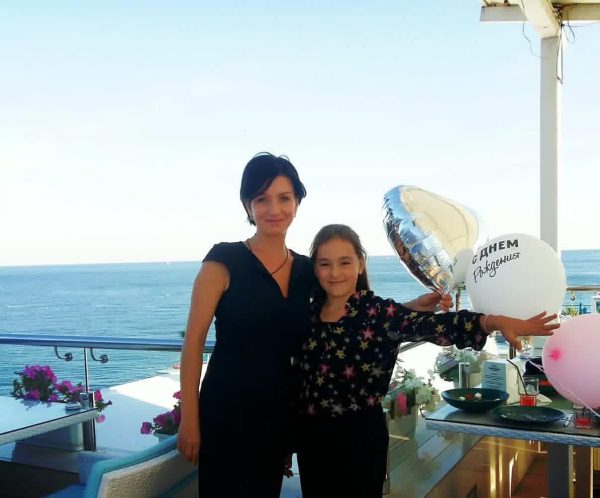
She didn’t know about certain societal or ethical issues that are common in New York City. It opened her eyes to an everyday struggle that some New Yorkers simply have to call life. “Things like poverty, drug abuse, homelessness? I want to stray away from it. Now that I have a more open perspective on the obstacles people face, I know what I don’t want to go through,” she explained. Although her eyes have opened to new experiences and cultures and she has found her circle of people who love and support her, albeit small, there are people who, she says, “may be from the same country as me, but were born here, and treat me differently as a result.”
This exclusion based on citizenship and birthright is an experience many can attest to.
Even personally, I can remember many times when I was called a fake Jamaican for not liking a popular dish (Ackee and Saltfish sucks, by the way) or not being able to really recall much from the few times I visited home. The illusion of the American dream can serve to fundamentally divide and separate us despite our shared humanity, which can feel overwhelming and suffocating.
Wars between diasporas can take away from a people’s ability to unite and connect across land and sea. But the fact that an article such as the one you’ve read can exist speaks to the fact that division does not have to reign over diversity. These stories were made to be told, and while no one immigrant experience is the same, we all rest under the umbrella of an equal right to exist in happiness.
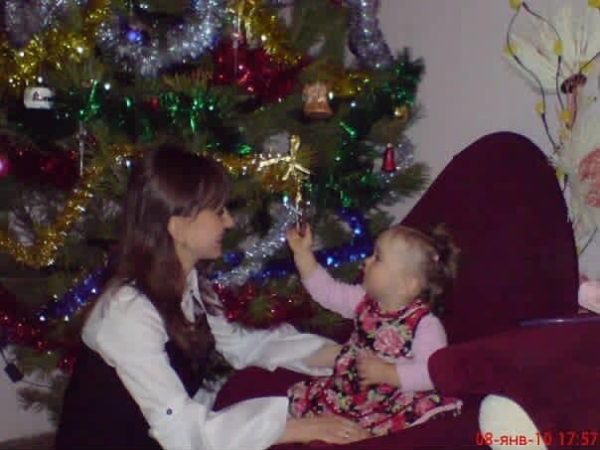
Some only see New York City as Manhattan or Brooklyn. I sit behind this screen to say that New York City is so much more drastic in its reach and influence than most may think. Whether we come here to escape political instability or to find new opportunities, whether we come here to prove our worth on our own or to find a community who can help us build from the ground up, there is never one story to tell about New Yorkers. As a matter of fact, the story will only get passed down and expanded upon, as we tread a path to the better life we were promised when we got here all those years ago.