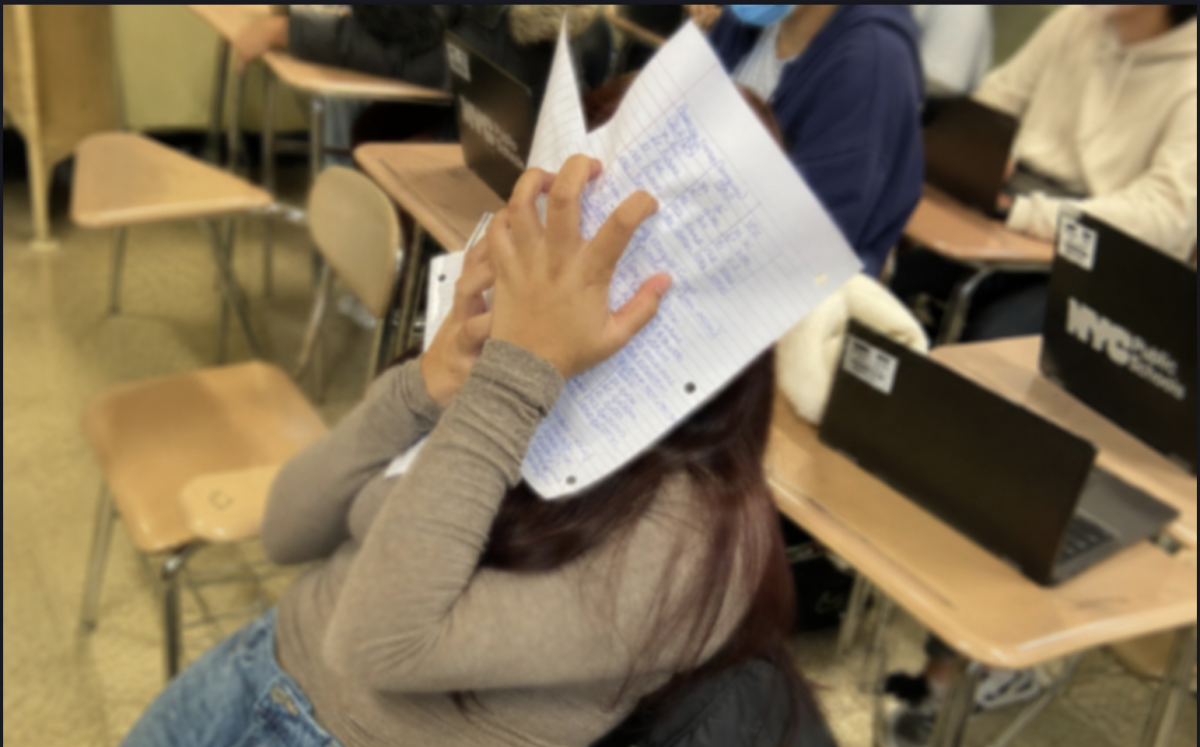











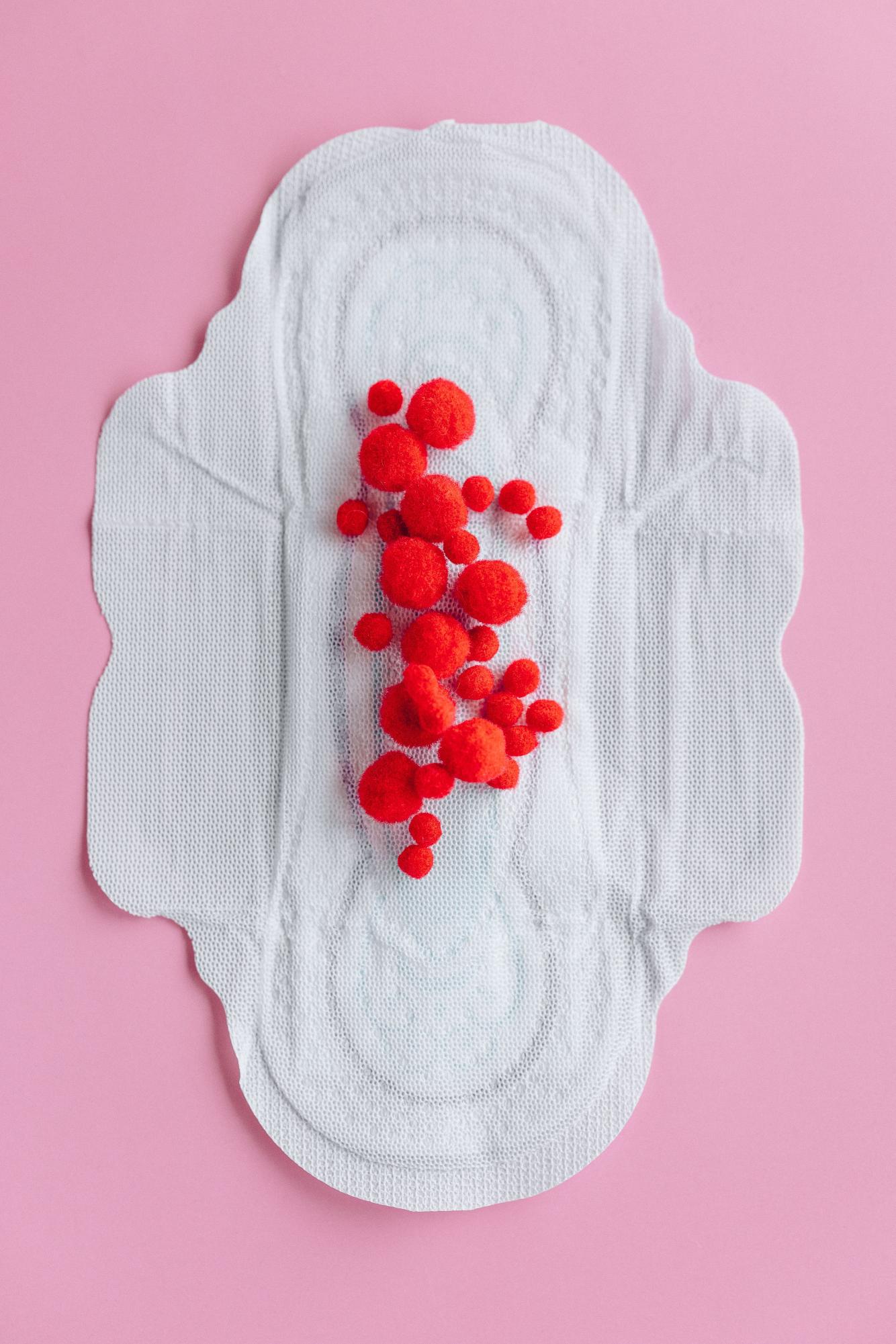
As of 2025, 62% of teens report that society teaches people to be ashamed of their periods, according to PERIOD, a world-wide non-profit formed to combat period poverty and stigma. Whispers, shoving pads into pockets, or staring sadly at the empty product dispensers are all inevitabilities of menstruation, even as free-products are increasingly more available to teens. In 2016, New York City was the first city to pass legislation requiring access to tampons and pads in public schools. Unfortunately, there is still a stigma attached to menstruation for teens in New York City, but more open conversation and education can be the solution.
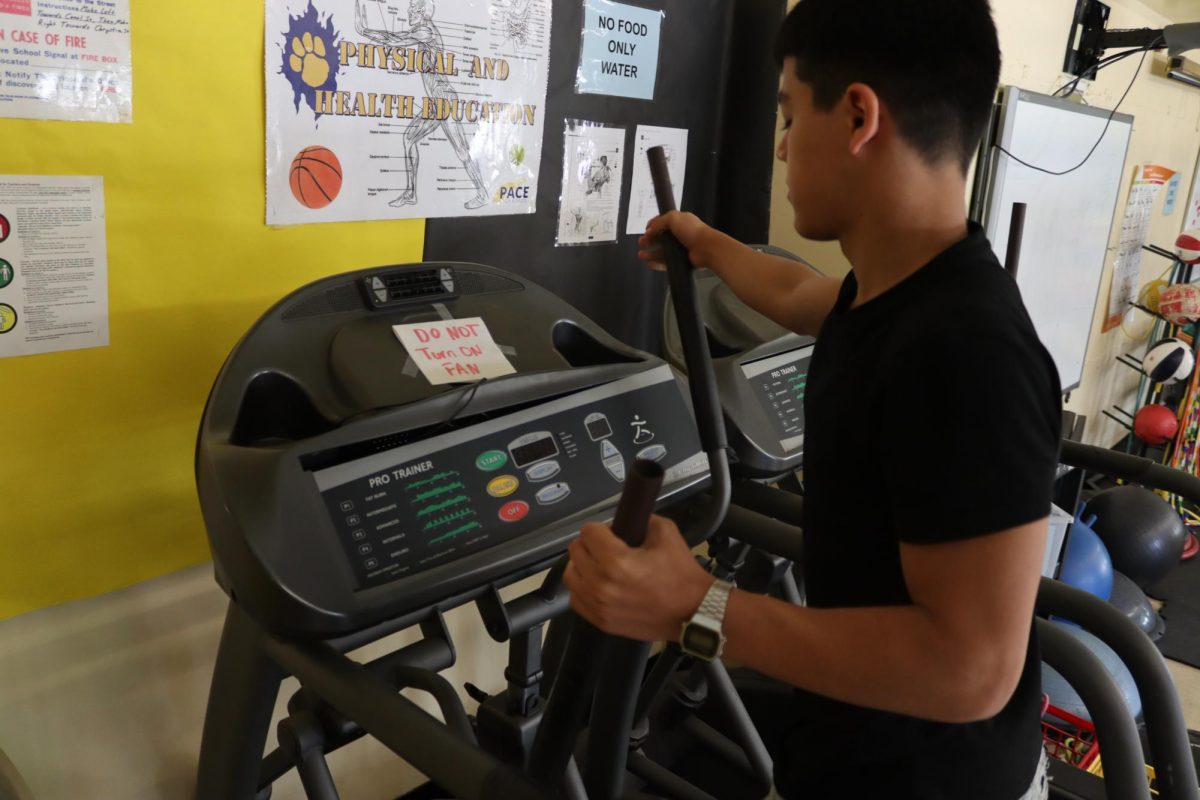
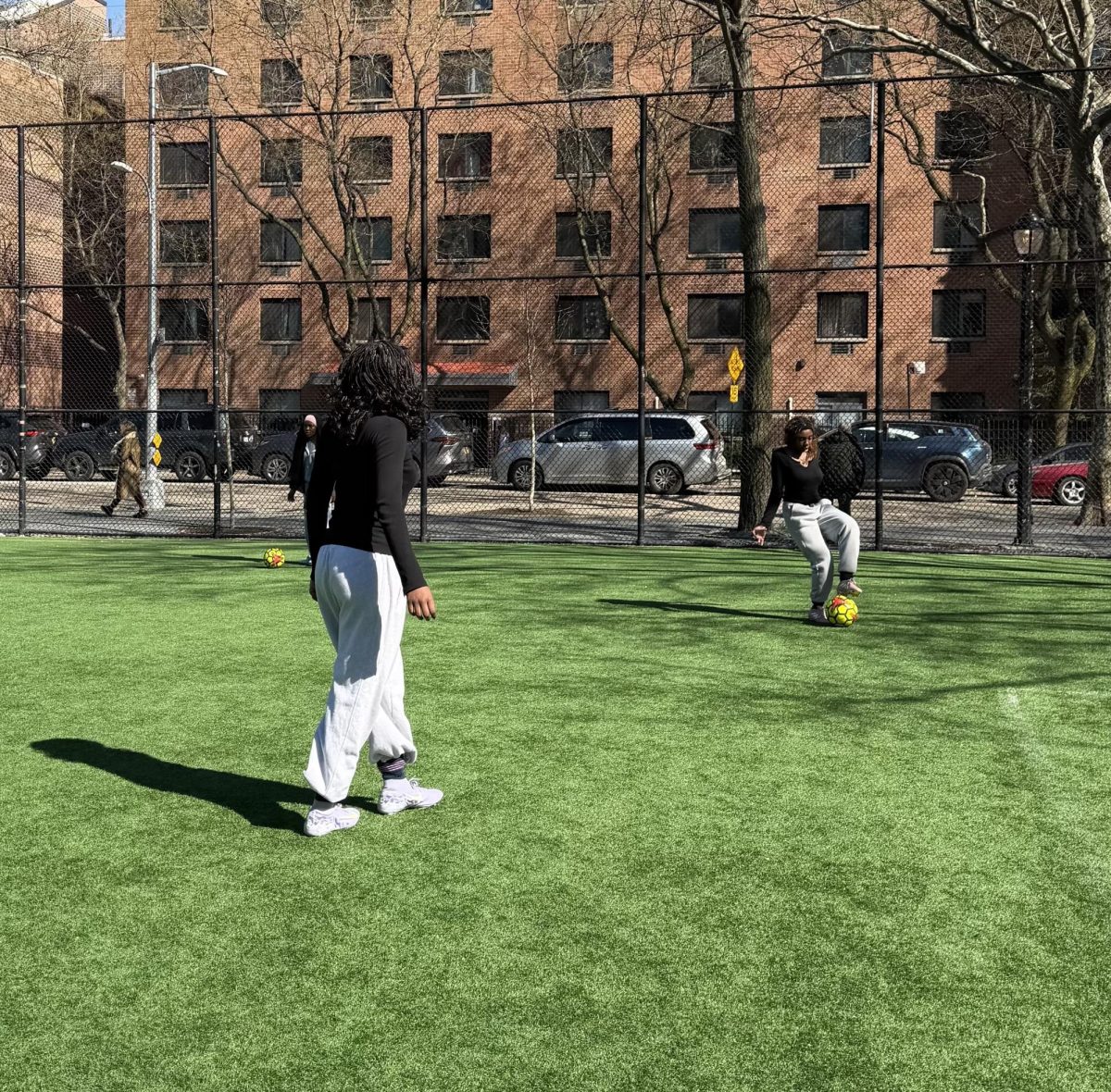
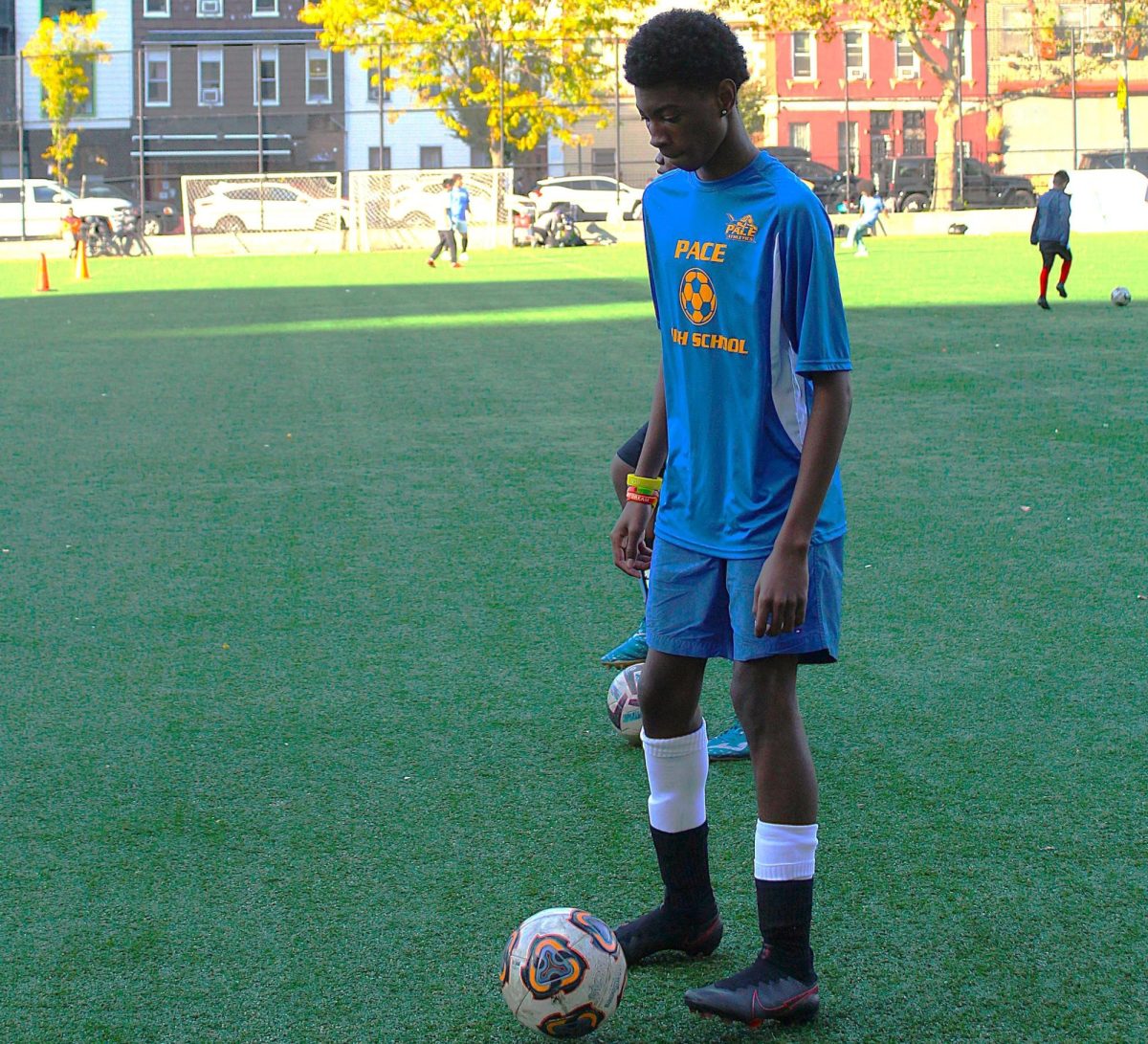
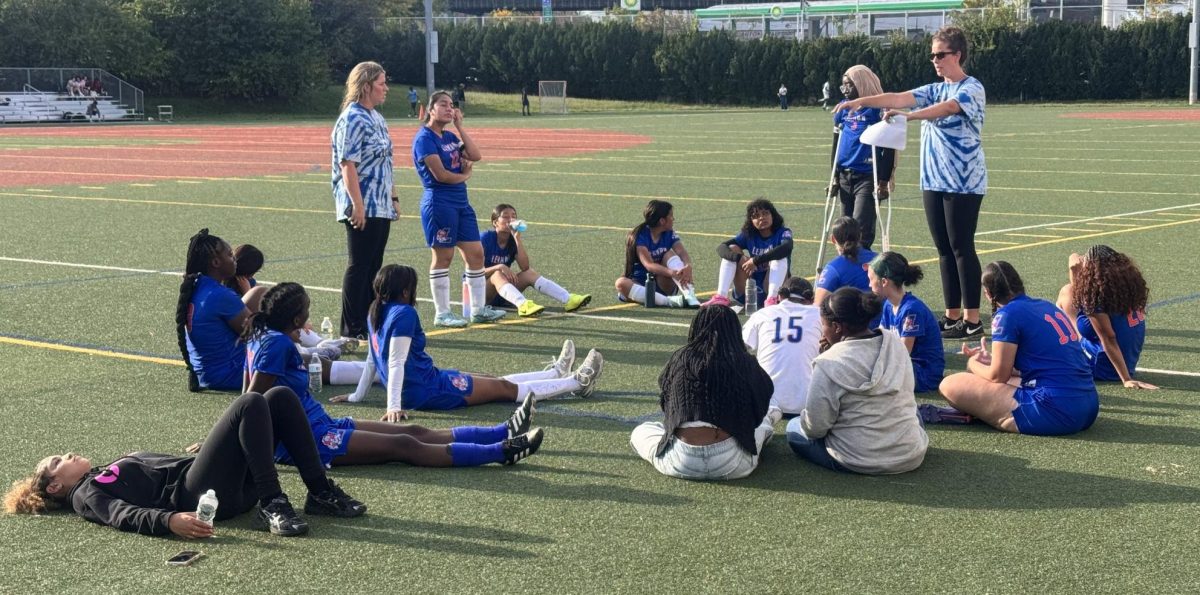
Period stigma can be a problem for student athletes especially. Though reports suggest that exercise can improve wellness during one’s period, embarrassment can prevent sports participation by girls. With the right resources, playing sports on a period does not have to significantly hinder performance. For example, Divya Karthik, a badminton player at NEST+M High School, says “it depends if I take medication, like Advill, but playing on your period can be demotivating,” she says on stigma associated with being a student athlete. “A lot of people have a tough time talking about menstruation, but this conversation should be normalized, especially in a team setting. It would save a lot of embarrassment and time if we could talk frankly about something that happens to so many people.”
 Moreover, access to menstrual products on game day is essential. Though in New York City, public schools are required to provide access to free menstrual products to students in grades four and above, sports facilities do not ensure easy accessibility. Jordan Tsao has played all three seasons at Townsend Harris High School. Speaking of her experience running indoor track she mentions, “The indoor track facility we do meets at, The Armory, doesn’t have menstrual products like pads that most bathrooms at school do. If there’s an emergency, unless you are prepared or one of your friends can help, there really isn’t anything the space itself provides. This could be difficult for girls who are uncomfortable asking for a pad or something they need.” This highlights the importance of menstrual equity in public spaces. The cycle does not stop depending on where you are and neither should access to healthy products.
When considering student-athlete stories, it is important to recognize the significance of coach perspective and intervention. Divya Karthik adds that her male coach can be understanding of menstrual issues, but she and her teammates are often vague when describing situations to him. She goes on to address the importance of female coaches: “We should also have more female coaches; [a female coach] would have a better understanding of certain issues. Your coach is an important person as an athlete, and if you have someone who has been in your spot, you can have a stronger bond.” However, the reality is that male coaches outnumber female coaches, so it is important that men and boys learn about the menstrual cycle so they can better support their peers and athletes.
Gabriella Pedreros, a former coach of girls badminton, and volleyball in the public education system, and swimming coach outside of schools, explains how this gap can be addressed, “outside of hiring more female coaches, having a coach position takes training and understanding. [Menstrual education] should be part of that training aspect regardless of whether it’s a male or female coach.” She further explains her take on coaching in terms of menstrual education: “Definitely have an open environment. Everyone menstruates differently. As a swim coach, I’ve had younger students who were menstruating and did not feel comfortable swimming, or needed time to get comfortable doing it. Later they learn to adjust more: how can I swim when menstruating?” As for the question: how can I do x when menstruating, it is interesting to consider how a coach or trusted adult might help you figure that out.
Some schools in New York City introduce menstrual education at the high school level in health class, separate from biology. Pedreros, now currently a health teacher at Townsend Harris High School, says that menstruation is covered within lessons on sexual health, and she specifically covers the connection between the menstrual cycle and pregnancy, and how that informs how we should take care of ourselves.
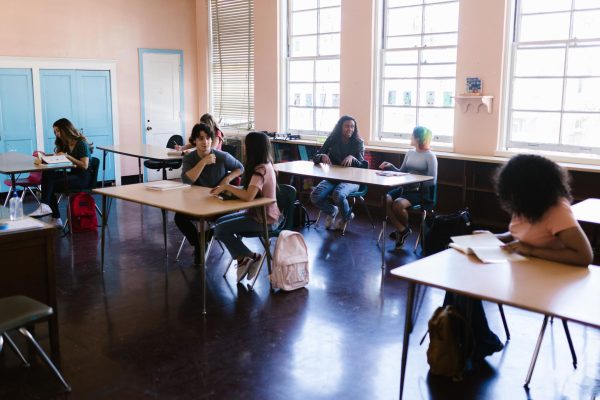
In an article by Aminata Diarra published at Columbia University, the author argues that menstrual education should start earlier than high school, as by the time most girls reach this age they would know at least some information about periods. Menstruation is taught in a co-ed setting at Townsend Harris, which helps to break down some of that taboo and gender divide. Ms. Pedreros explains, “There’s always giggles, there certainly is [stigma]. And I think that’s why it’s so valuable to include it in part of our education…the more we break away from the [discomfort] and from the lack of conversations… the less stigma there is going to be.”
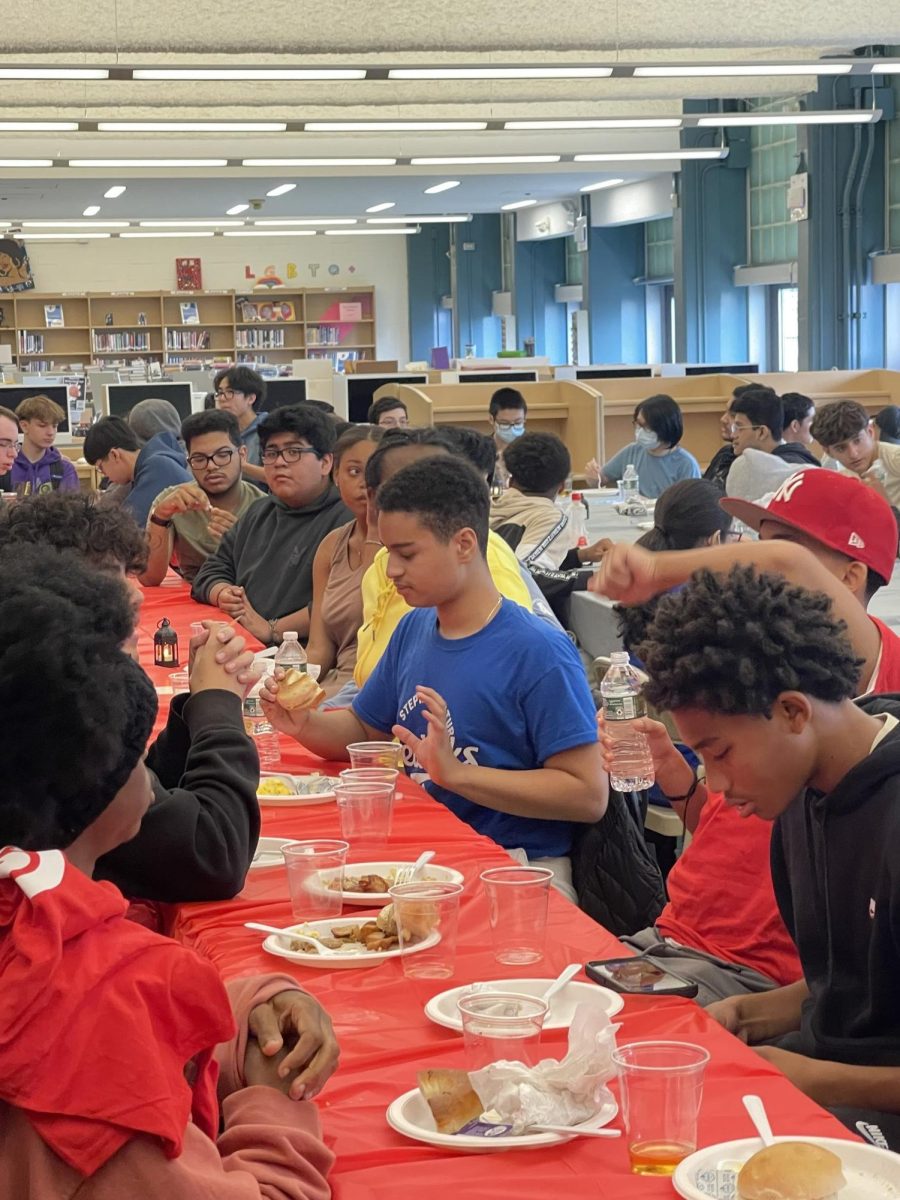
As mentioned previously, it is important for all genders to be included in the menstruation conversation because it fosters empathy, and is important basic knowledge. Sabit Saif at Hunter High School says that “educating boys about menstruation helps them understand puberty and bodily changes, fostering empathy and teaching them how to be supportive friends, teammates, and partners. Ignorance often leads to the perpetuation of negative gender stereotypes and isolation for girls.” This highlights one way to combat menstrual stigma, simply by breaking down gendered health education.
As for experiences with menstrual stigma itself, he continues, “it’s mostly driven by societal taboos and a historical “culture of silence” that frames periods as dirty or inappropriate to discuss, but I feel like Hunter does a good job with health… I have chronic stomach aches, and my friends will joke that I’m always on my “period” while on theirs saying I bluetoothed them, so I believe having those lighthearted [conversations] reduces stigma.”
Leo Versaini at Beacon High School offers a similar perspective on menstrual stigma in school: “all anyone does is joke about periods… ‘oh you must be on your period because you’re so pressed… guys can be ignorant because we often lack education around these things.” The two, however, have slightly different opinions when it comes to co-ed health classes. Versaini mentions that, “understanding female puberty is important and it’s ridiculous that we don’t [already], but it is hard to say because there is always going to be that ‘awkwardness’” While Saif asserts, that the conversation should be as open as possible. “When schools mandate separate classes for boys and girls about puberty it reinforces the idea that menstruation is a shameful ‘women’s issue’ that shouldn’t be discussed in mixed company. Open discussions with boys normalize the topic, ensure that all genders receive accurate information, and prevent myths from spreading.”
Looking back at the initial statistic: 62% of teens feel society perpetuates shame over menstruation. There are three pillars that can break down that data: access, support and education. While accessibility is rising, the goal has not yet been met: in 2021, nationally, a quarter of students experienced period poverty according to the NYC Commission on Gender Equity. Empathy and understanding from adults, especially trusted ones like coaches is imperative to fostering meaningful conversations on menstruation. Lastly, there should be an emphasis on educating everyone, including boys; empathy can be difficult to practice when you do not have all the information. When women’s health is treated as shameful or secretive, stigma is allowed to persist.