



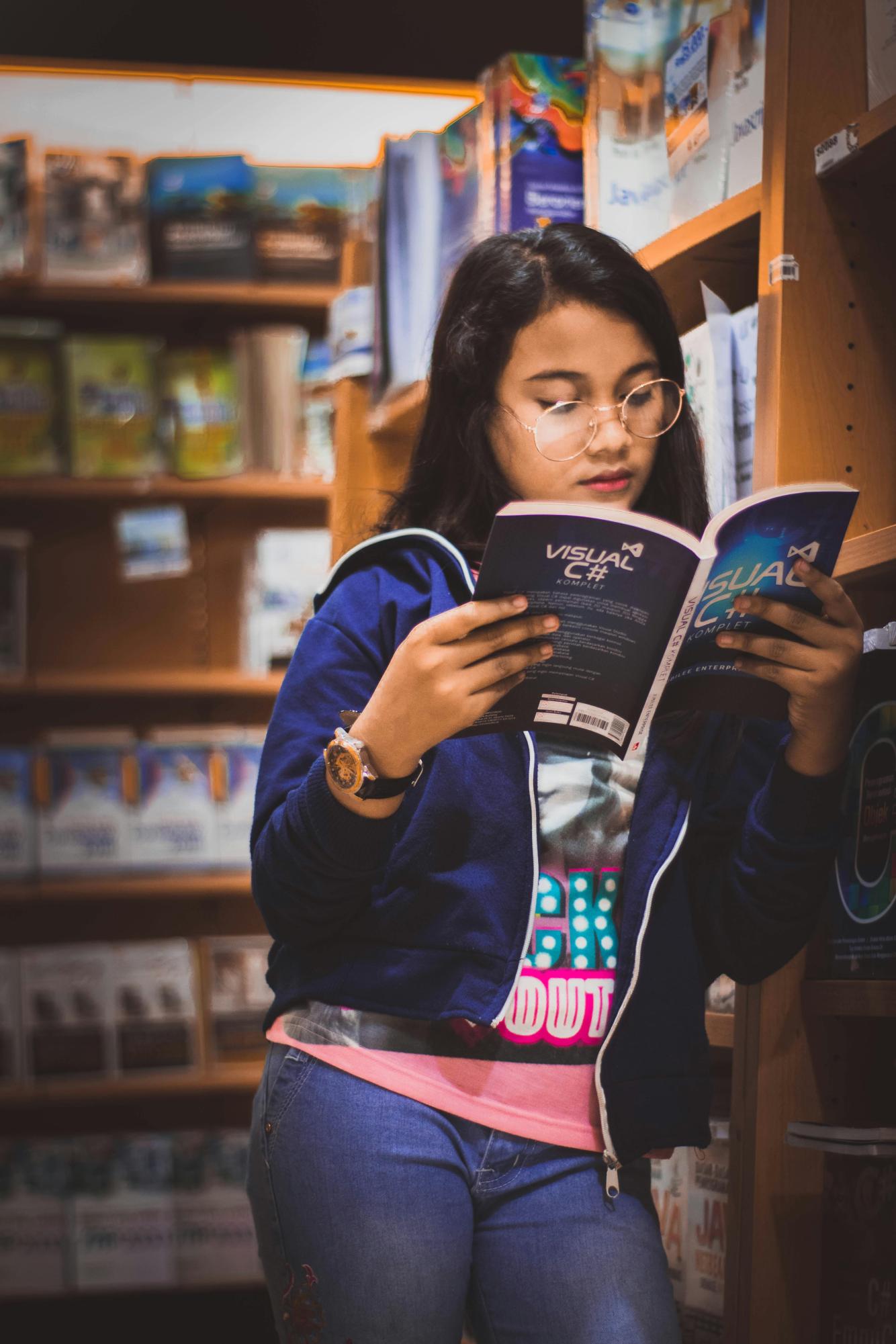
The topic and debate around book banning is one that has been going on for several years. Supporters argue that bans are needed so we are not exposing our young children to inappropriate content, while those against it believe we need these books on our shelves to help our children thrive.
Of course with book banning going on in different states, there is data on how children and educators are being affected by it. As I was researching, I decided to do a deep data research on states with book bans. For the first part of my research I will be using the website, FirstBook.org, which deeply and concisely explains data on how educators and students are affected by a book ban. FirstBook.org clearly states that, “we believe every child deserves access to books that inspire curiosity, critical thinking, and learning.” The team at Firstbook.org conducted a nationwide survey in 2023. Key findings included that 65% percent of educators found it difficult to facilitate discussions with book bans negatively impacting their ability to teach. 71% of educators said that “book banning undermines their expertise as educators.
Now getting into more about how book ban affects children, 78% of educators said, “students read more when they have the freedom to choose what they want to read- including access to banned books”. Reading is one activity where you have to enjoy what you are reading to feel a sense of connection with the book. Another 72% of educators made clear that when “students’ access to books are restricted, their reading engagement declines.”
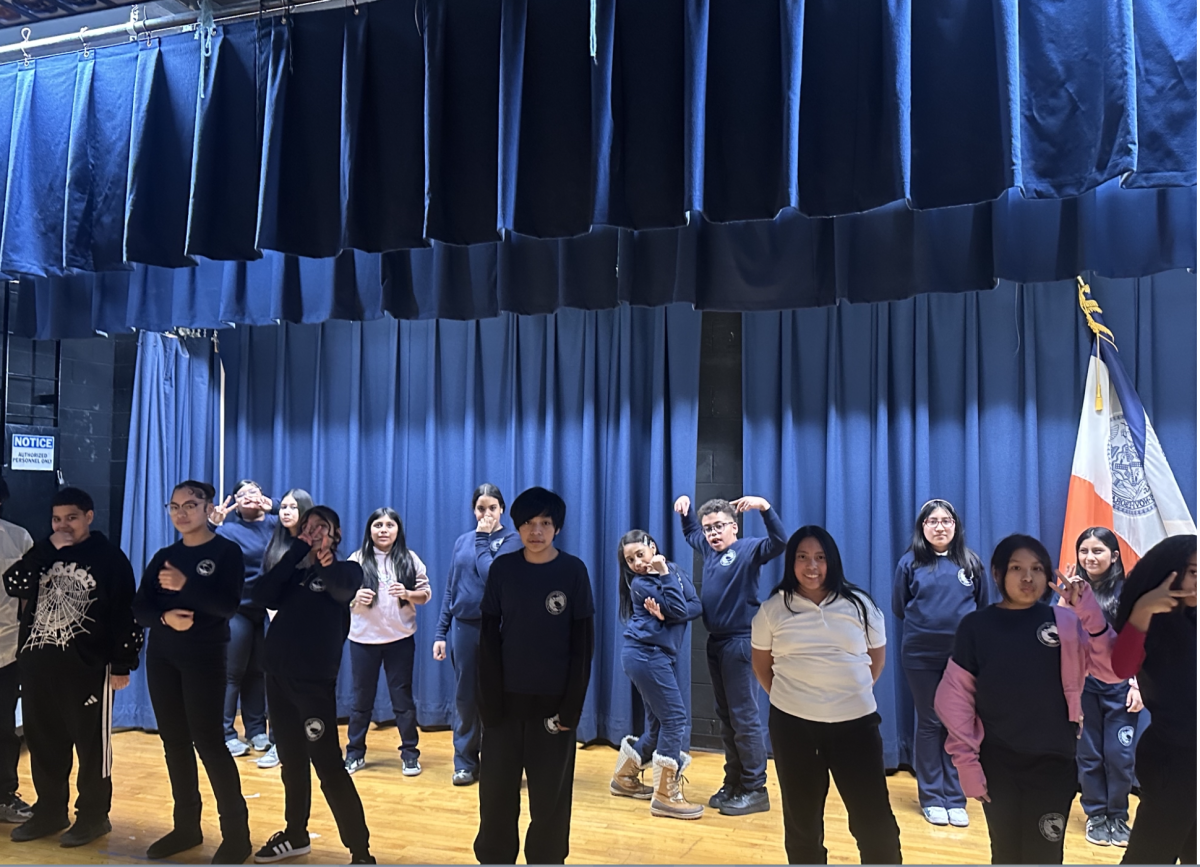
A short survey was sent out to about 10 students at The High School For Global Citizenship to get some more insight into this topic. Of the students surveyed, 77.8% love drama books, another 66.7% of students love coming of age books. To tie back to the topic of book bans, 100% of the surveyed students responded yes to if a book ban will affect them or anyone they know and 100% of students rather have freedom in the books they read. To be more in depth, one student’s response was, “some people will have no access to the artistic integrity of the banned books.” Another student’s response was, “I know that ‘1984’ is an awesome book to read. Although other books could have covered almost the exact content that ‘1984’ has covered, it shuns the authentic voice of George Orwell that deserved to be out in the public.” Another student’s response was, “a lot of schools use these books for their curriculum to teach valuable lessons. On top of that, these books are used to help bring engagement into the classroom.” Throughout this survey, students have voiced their concern with the idea of a book ban and how it will affect themselves or their peers.
On the other hand, some people are pro-book banning because they feel as though some content in some books is too sexually explicit, includes offensive language, violence, and/or racial issues, according to the American Library Association. “Advocates arguing that graphic descriptions or depictions of sex are pornographic and inappropriate for young readers,” and “challengers often argue that certain themes—such as trauma, grief, or mature social issues—are too complex or distressing for children at specific developmental stages.” Similarly we can see the underlying reason for pro book banners is the fact of sensitivity to children.
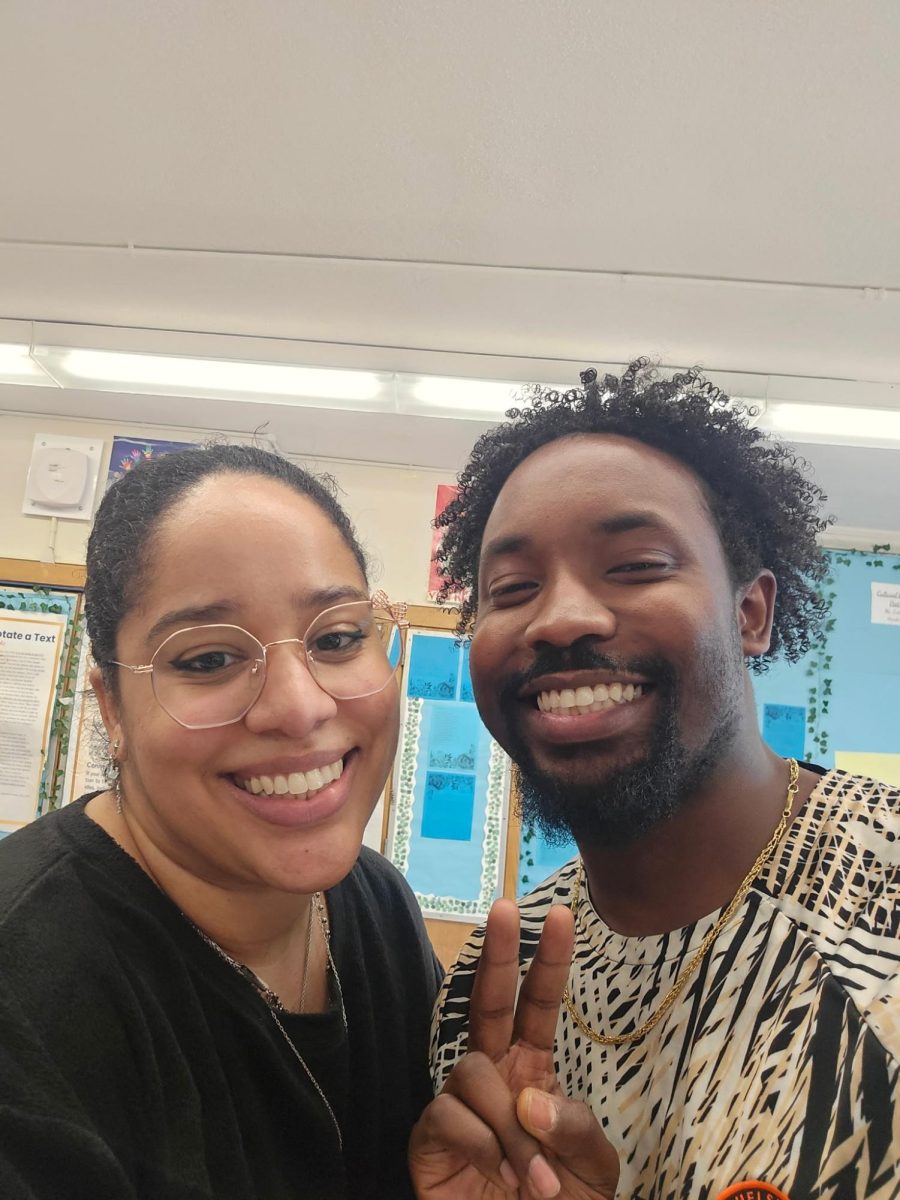
I conducted an interview with Journalism and ELA teacher, Ms.Kukoda, to get her insights on the topic.. I asked her questions such as, “how do you think a book ban will affect
NYC public school system, how would a book ban affect you as a teacher, and do you believe banned books are needed in the classroom?” Firstly, Ms. Kukoda directly stated, “Yes, I always understand concern about books being inappropriate for certain levels, like The Hunger Games
and the concept of children fighting until death may be difficult for younger children to comprehend, but I do not completely agree with the idea of banning books to children.” Ms. Kukoda throughout the interview mentioned that she completely understood the concerns and why some felt a need for banning books, but strongly felt as though, “if students are not exposed, they are not building critical thinking and empathy, and where else can they find out, if not in books?” Ms. Kukoda has also shared a motto she has learned, “literature should be a window to other cultures and a mirror to see themselves,” indicating that books serve as a huge component to the teaching of diversity and self- awareness.
To touch base on the diversity topic, Ms. K stated a personal experience at a Catholic school, where she attended along with predominantly caucasian classmates. “I went to Catholic school my whole life and a very much all white school. I did not receive books about Black authors and I can count on one hand how many I read from Black authors throughout my high school life. Teachers were told not to teach from colored authors.” Ms. Kukoda believed that the excuses of inappropriate content and sensitive content is used as a “white supremacy handle because they think the authors are too explicit, hindering children to one perspective and idea.”
Continuing, Ms.Kukoda also shared her great concern if a book ban were to come to a city like New York. “There will be a struggle to teach classes and I don’t like the idea of only teaching authors about dead white European males. Themes in literature and human experience are universal, but we are doing a disservice to students by limiting them to one perspective (no
colored people).” For example, I have read poems from authors such as Maya analogy, Langston Hughes, and more. To be more in depth, “Still I Rise” is a poem written by Maya Angelou which talks about her struggles of being a Black woman and her trauma from getting sexually assaulted. This poem serves as a testimony that you will and can rise through any struggles and this poem can resonate with many people that went through similar experiences.
Through these many perspectives, it all ultimately shows how a book would hinder students’ ability to grasp different cultures, topics, and perspectives. Yes, books may be too sensitive or inappropriate, but how can we expect our children to thrive without learning about these fundamental aspects of our history and self.