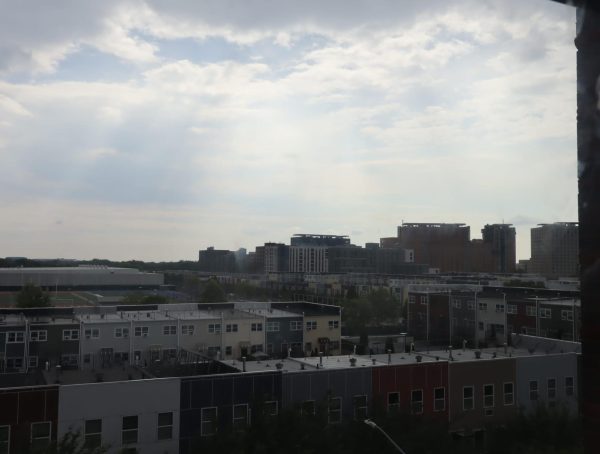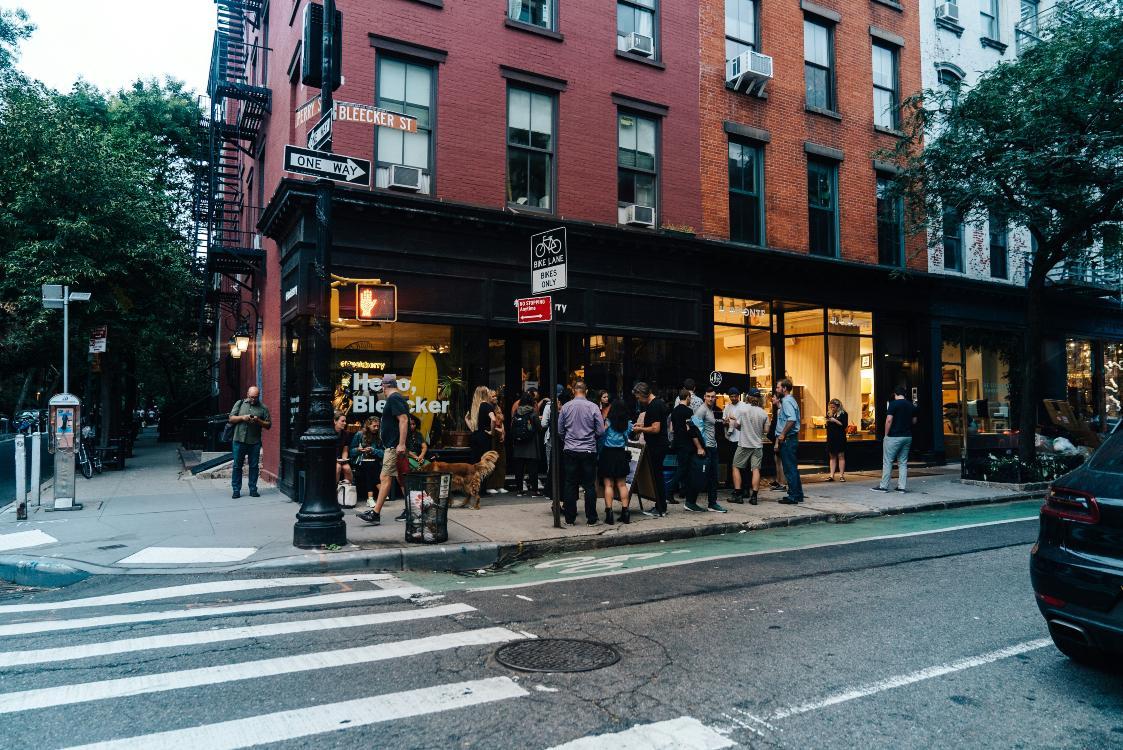



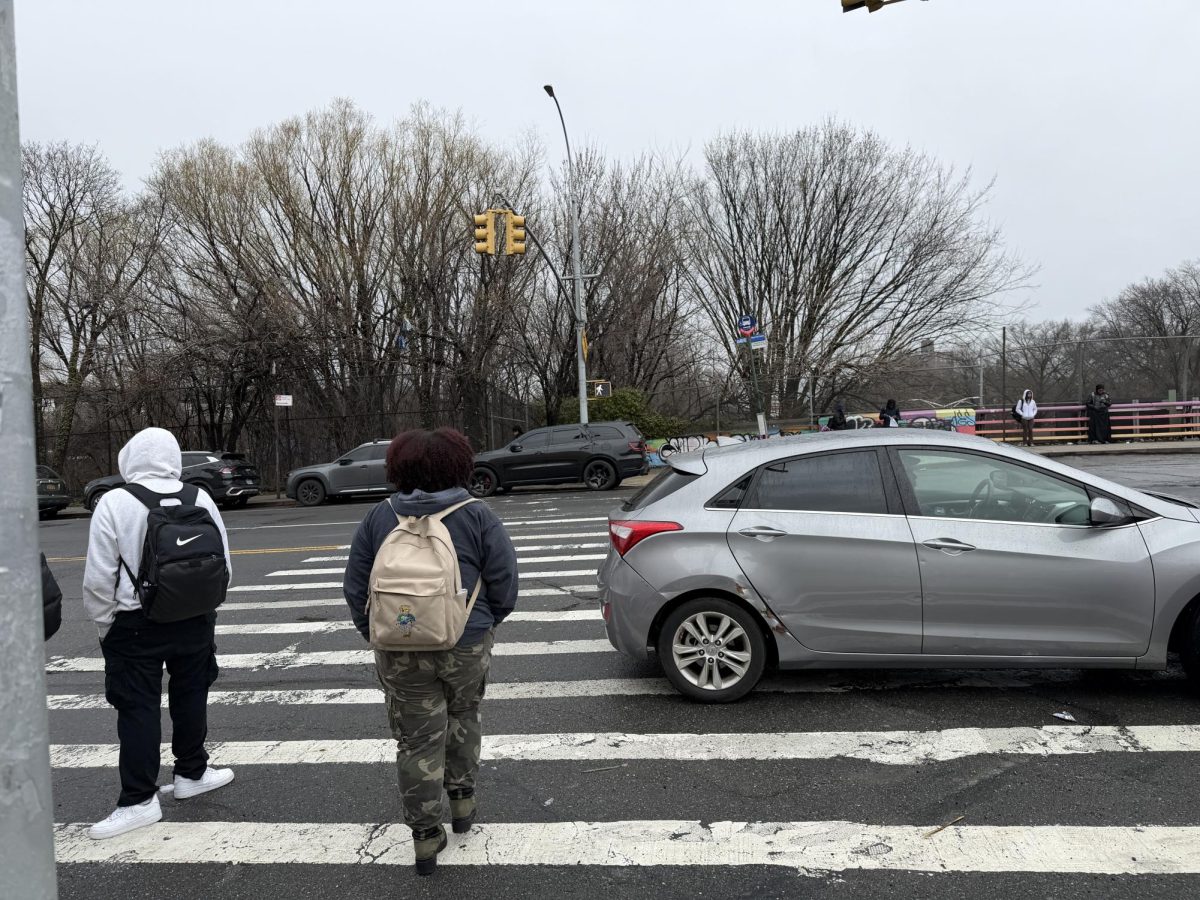
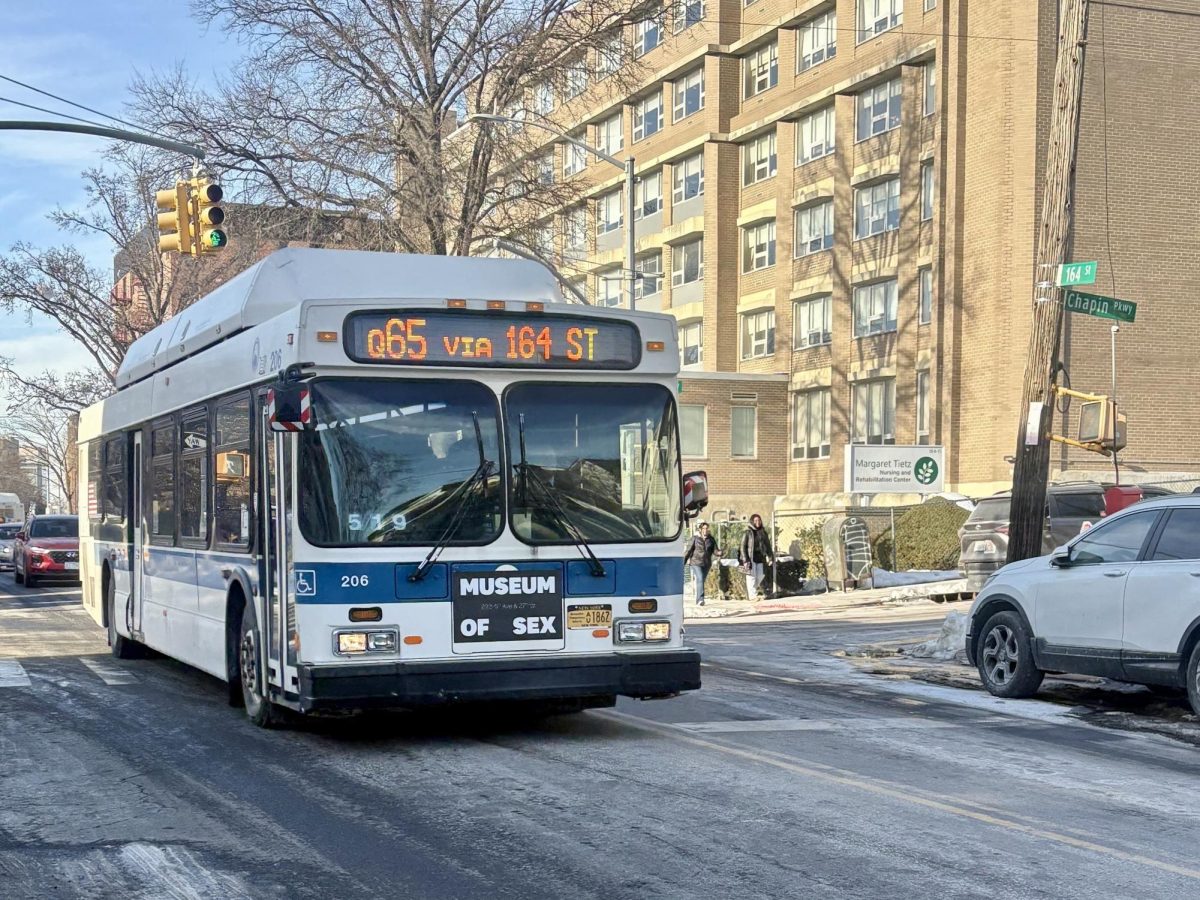





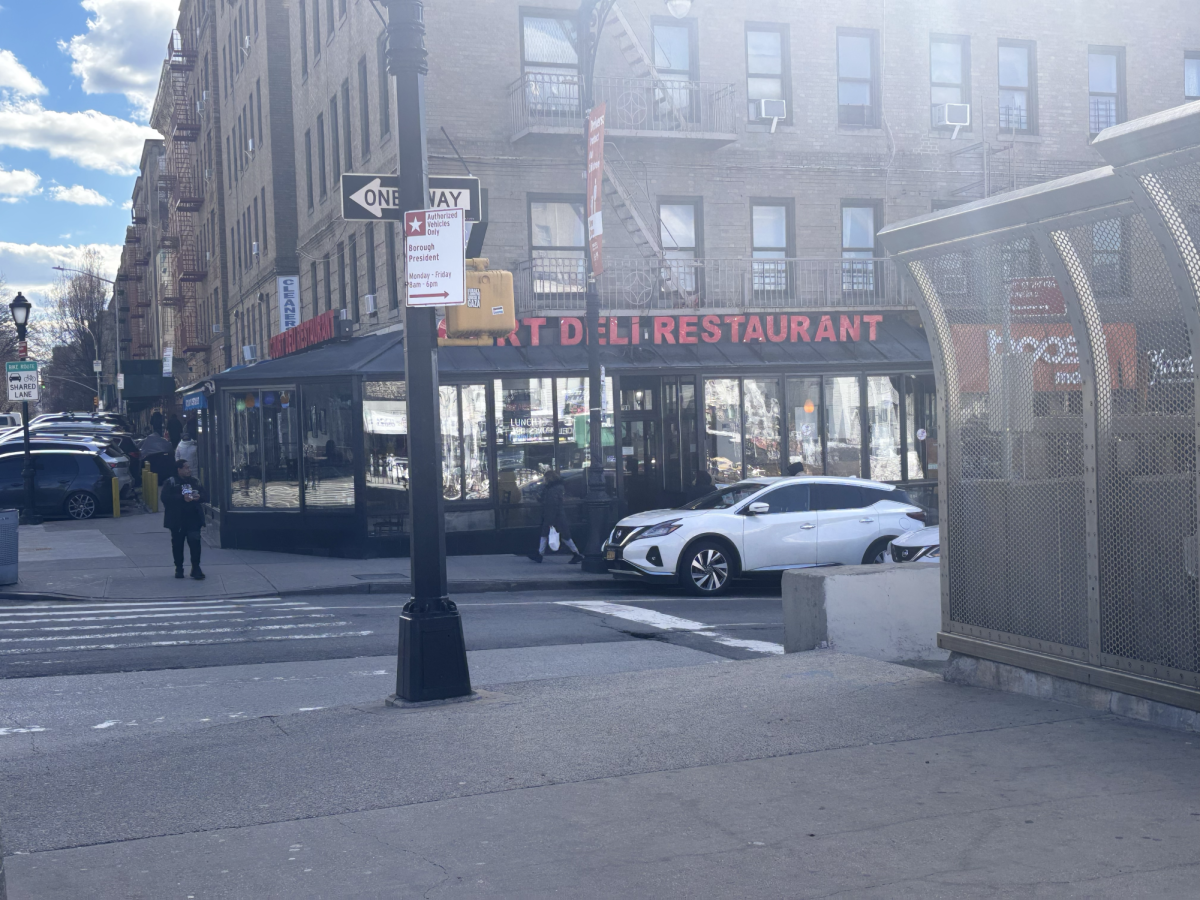



East New York, Brooklyn, is one of those familiar places that you’ve heard a lot about so much that you think you know it. The bus stops, train stations, corner stores, and the summer chime of ice cream trucks blaring down the block might feel familiar to you, but it is home to thousands. Unfortunately that home is changing rapidly, maybe even more than the rest of Brooklyn.
Places that used to be filled with lovely lively and historic homes are now being replaced with a new type of luxury and modernization.
Displacement
Newer buildings call for newer residents. In 2016, displacement in East New York was driven by a rezoning initiative which helped trigger investments of over 6,500 housing units by 2030. Essentially, the whole reason for rezoning is to help create and build affordability for local residents. Still, despite best laid plans, one of the current problems and concerns is that landlords are taking advantage of residents in many of these newer buildings.
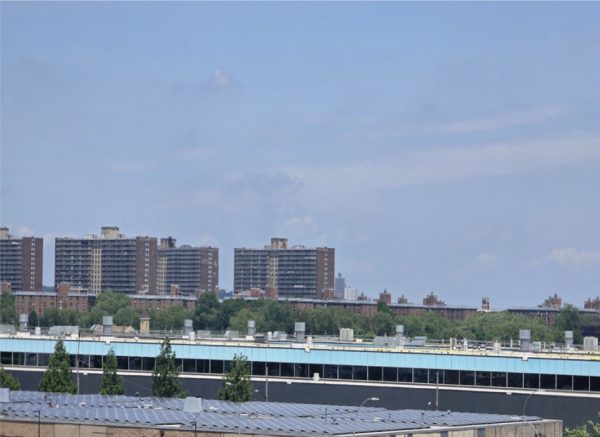
Other neighborhoods like Cypress Hills, Ocean Hill, and areas around Atlantic Avenue, Fulton Street, and Pitkin Avenue have all felt the immense modernization.
Does affordability drive other people into these neighborhoods? Well of course! These rezoning plans bring in newer residents as they help with the rising cost of living in other parts of the city.
One of those new buildings is Herkimer-Williams Complex, which is supposed to be a 100% affordable living unit in the East New York neighborhood. Like many new developments, the complex features market-rate housing whose direct and primary audience is a higher-income demographic. So while the units may be “affordable” to them, it’s still not affordable to those who are currently living within the community. This in itself, raises concerns about displacement.
In many rezoning areas, long-standing buildings and businesses like corner stores, local mechanics, and other local stores face rising commercial rents, which also rub off onto the customers. Rents across Brooklyn have seen double-digit increases, driven by high demand and rising costs for small businesses, often surpassing 40% increase in high-demand areas.
According to the NYC Department of Planning, initiatives like the housing plan aim to transform areas in New York. A five-borough, ten year plan to improve areas like Broadway Junction as they claim that it has “potential to support substantial development and become a major outer borough destination with places to work, shop, socialize, and enjoy.”
However, for many who have spent decades calling East New York home, the glossy promises of future developments don’t always align with the immediate, daily realities of the community.
What The Residents of East New York Want
Residents in certain parts in East New York have expressed some concerns on if projects like these should be the main focus of what New York needs.
Petal Harrigan, an East New York resident for 20 years in the Spring Creek area lives with her daughter and her husband. She expresses that she notices older or “original” families have seemed to move out while newer tenants are coming in. Despite not seeing any infrastructure changes, she notices that new businesses are being built. Diversity is also something that is rising in the neighborhood, drawing in people who are Hispanic, mixed, European, and families who originated in the South.
She offered her own take of what people in the neighborhood would much prefer seeing, or at the very least would like to be included when new buildings emerge. What parents want to see is how these newer projects will also benefit the kids.
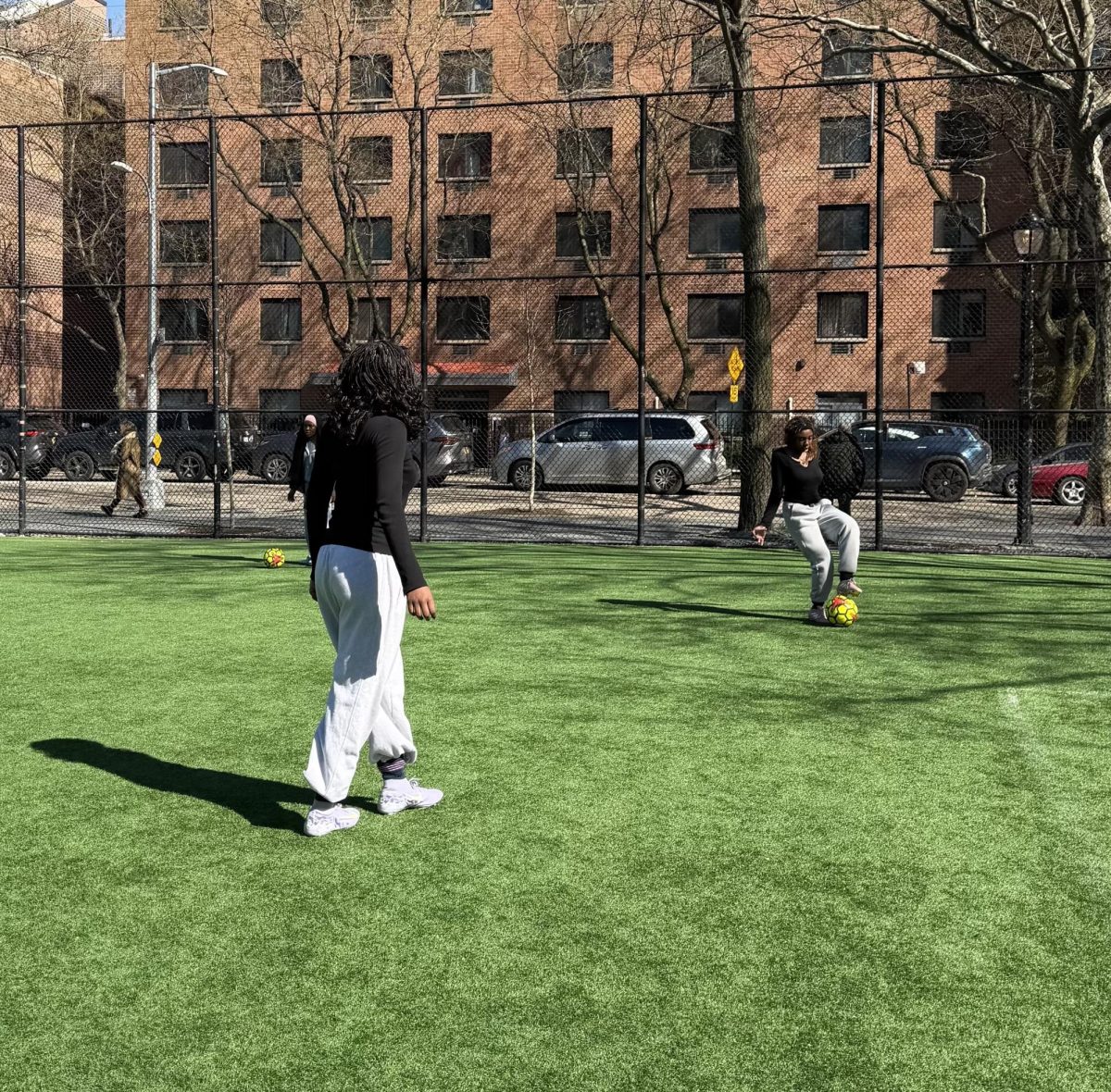
“I would probably have more access; more things to encourage kids to be outside. We have huge parks around us but it’s flat space,” Petal Harrigan explains. She would like to see these new buildings include “bike riding areas, sporting events, cookouts, water fights, appropriate playing gear put in parks that can fit every kid.”
Proper sanitation on the city level is also another thing the streets of East New York appears to lack compared to other neighborhoods. Garbage piles onto many streets, pests seem to patrol the streets more than sanitation trucks, and there is always damage to roads, from storms recent and old.
The “Teen mind”
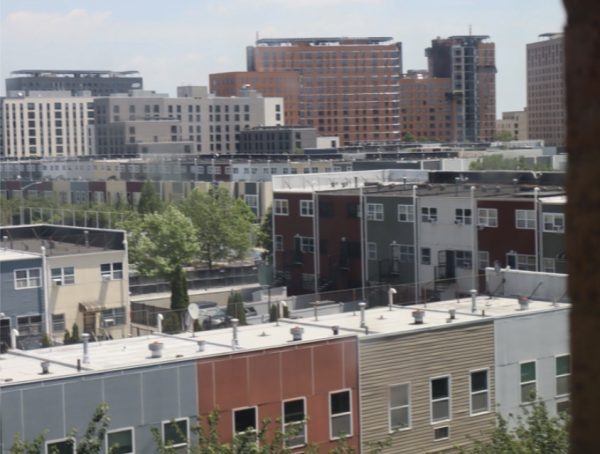
While long term residents focus on community infrastructure, the younger generation feels the cultural and social shift on the streets every day. For students navigating the changing landscape, the neighborhood’s new identity can feel alienating,
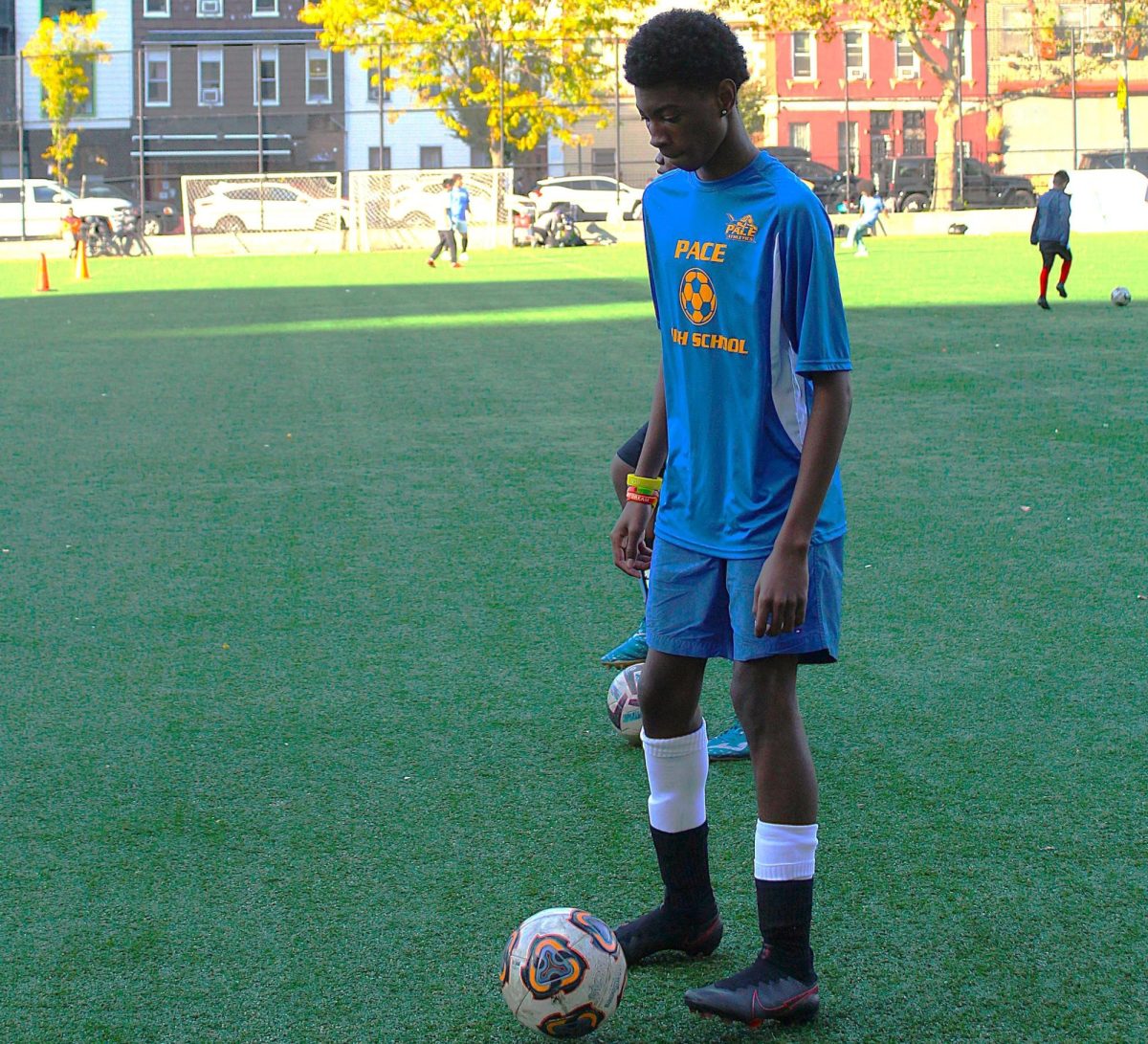
“East New York used to feel like home… block parties in the projects, buildings that looked familiar, residents that looked familiar… it felt like black love. A community of people that you can call family. Now, it seems like every other block has something new to it,” says Malachi Rowe, a 16 year old high school student who has lived in Brooklyn his whole life.
“East New York changed, and not in a way I could recognize. They’re building fancy apartments in places they don’t belong. The new stores are cool and stuff, but I just don’t think they’re meant for the type of neighborhood they’re in. It feels like we’re being pushed out of our own culture before we even start our lives here.”
While youth and long term residents view the transformation through the lens of culture and community survival, city officials and developers look at East New York through blueprints, economics, and the city’s broader housing demands.
According to the NYC Department of Housing Preservation and Development (HPD), major rezoning plans are intended to create long term stability rather than displacement. The city’s official neighborhood initiatives; such as the massive $500 million public investment surrounding Broadway Junction, are marketed as ways to create over 2,300 construction jobs, establish safer streetscapes, and build hundreds of new, deeply affordable housing units under the city’s extremely low and low -income affordability (ELLA) program. In official statements, city planning leaders emphasize pairing transit upgrades with new developments as the only way to deliver “inclusive economic growth” and bring high-quality jobs to an area that has been historically under-resourced.
Yet, this data driven defense highlights the exact disconnect threatening the neighborhood. To the city, a 12 story complex represents a statistical victory for affordable housing quotas. To a local family or a teenager walking down Pitkin Avenue, it represents a towering symbol of a changing world they didn’t ask for.
What do WE think
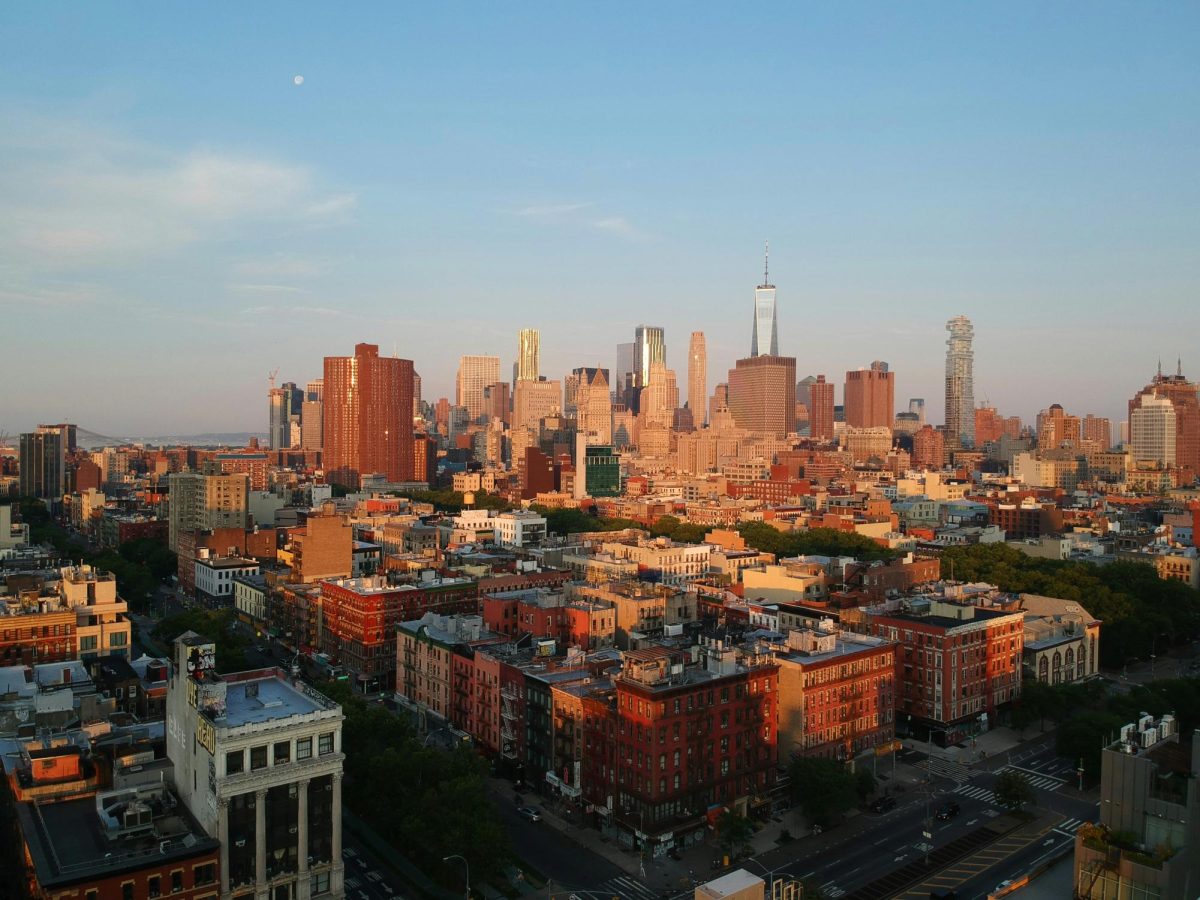
There is an undefinable gap between the blueprints in City Hall and the pavements in East New York. Modernization promises a cleaner, wealthier, and more vibrant future, but it often forgets the people who preserved the neighborhood when the streets weren’t so glossy. As the scaffolding goes up and the old corner stores come down, East New York is left caught in the middle, struggling to hold onto its rich, familiar past while staring up at a skyline and buildings that don’t quite seem to recognize them back.