



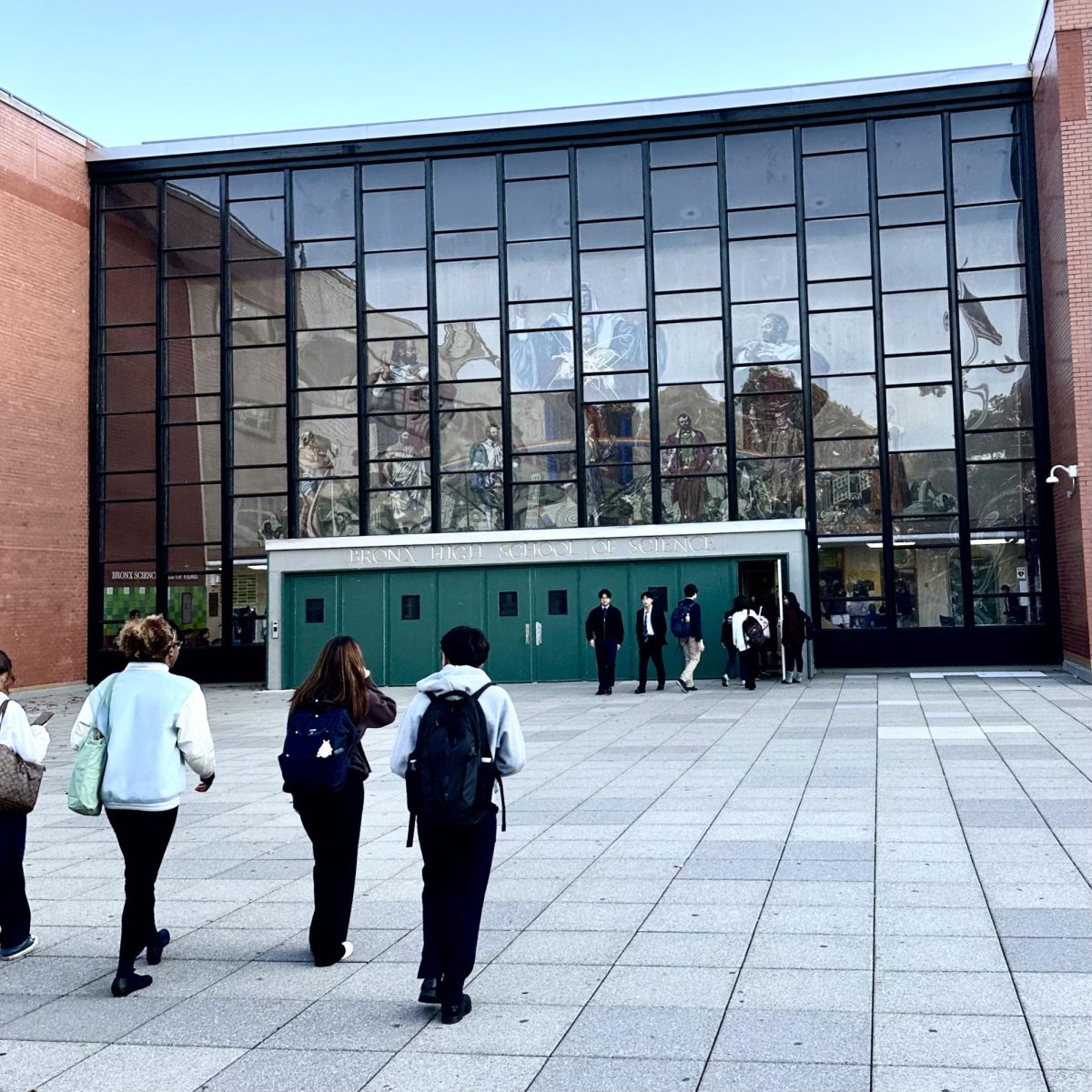



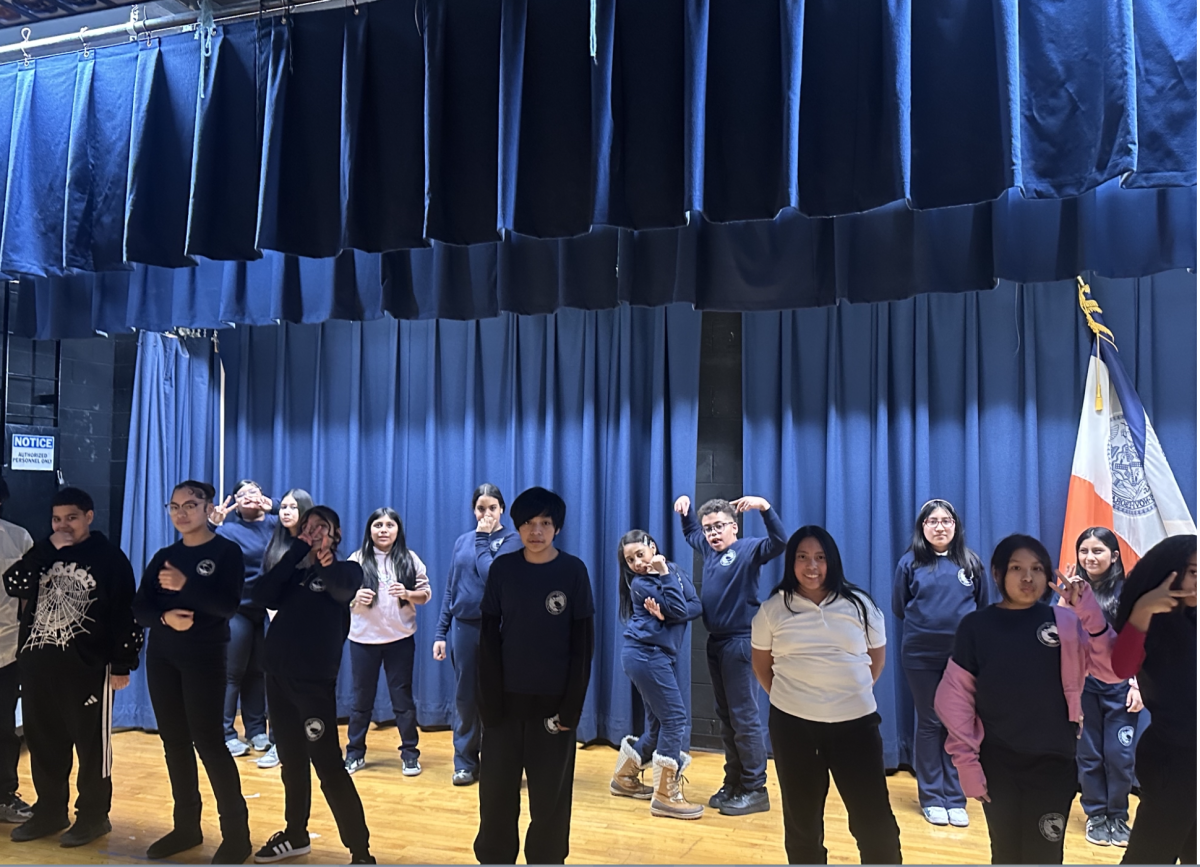




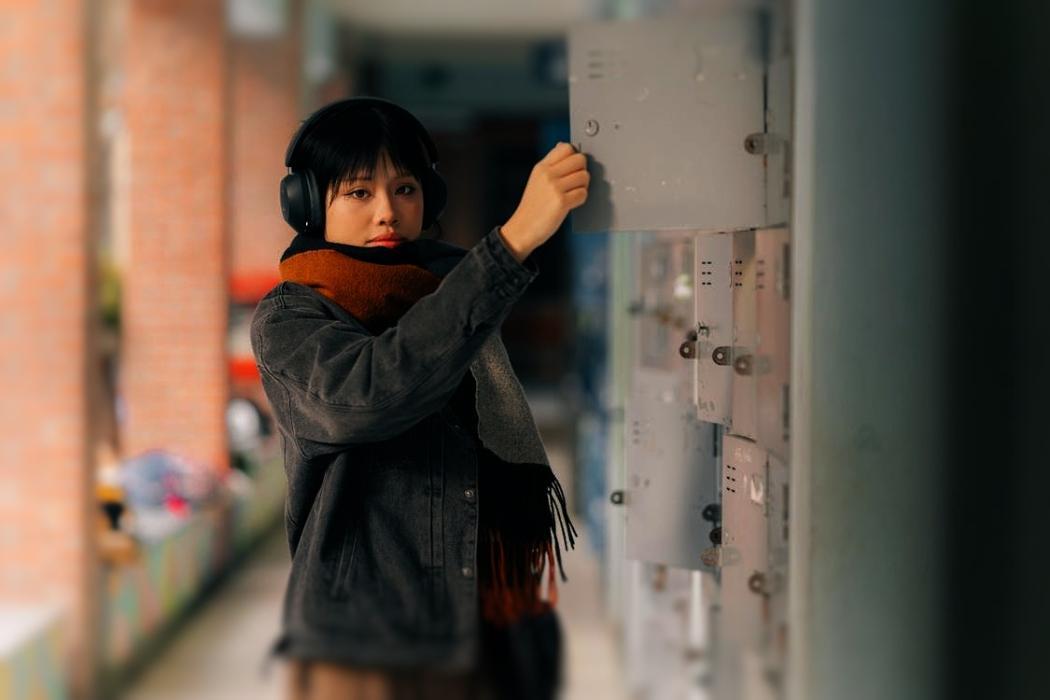
As you walk through the doors of a New York City high school, you notice the crowded hallways, the students flashing by as they rush to class, while others linger by their lockers talking to their friends. Underneath the smiles of many students, an overwhelming lifestyle of school stress and personal issues lives within them every day.
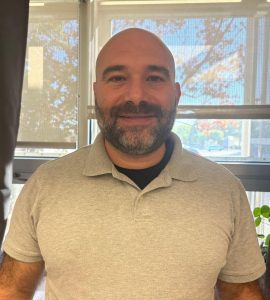
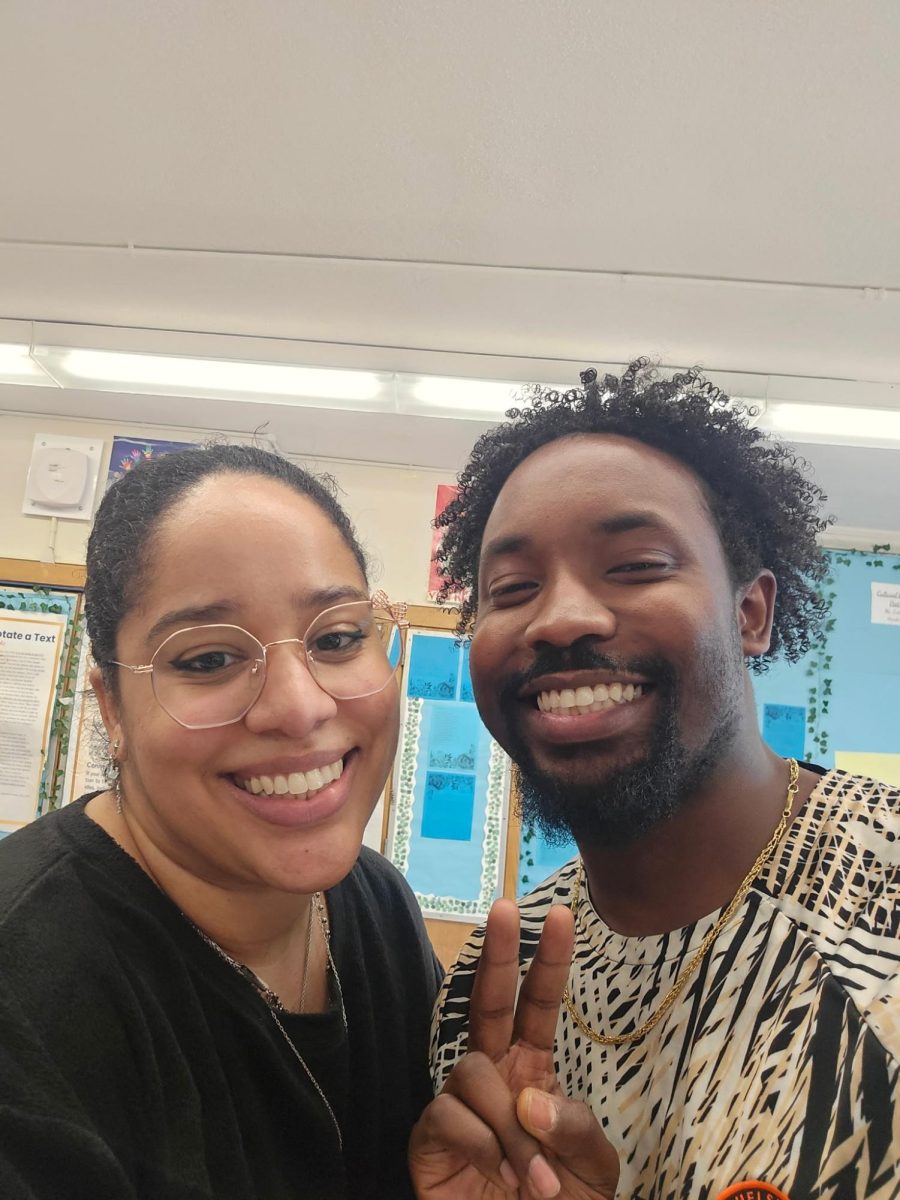
Charles DiGruccio, an English teacher at the High School of American Studies, states, “Even though you can see a broken leg, you can’t always see when someone’s under that mental distress.”
The 2025 Mark Levine Comptroller report for NYC supports this assumption, as it finds that nearly 40% (27% in 2011) of New York City high school students report feelings of “persistent sadness or hopelessness.” It’s not an issue that should be easily dismissed, whether you’re a parent, a teacher, someone who knows a teen, or a teen yourself.
Although NYC high schools are required to have guidance counselors, a comprehensive school counseling program, and social workers, there are no specific requirements for other mental health resources. There also aren’t necessarily strict guidelines on how many students a counselor can serve. Some schools have one counselor to 600 students, which is an impossible ratio.
A NYC Public Schools Spokesperson, provided background on how mental health support systems are managed for students on a borough level. “Central counseling teams provide guidance and support, while superintendents are empowered to make district-level decisions about how to allocate funding for social-emotional supports based on the needs of their communities.” They also mentioned that the data collected from schools on student attendance, behavior, academic performance, and college and career readiness is used to determine which types of programs to implement.
Despite local efforts, high schools in NYC have experienced underfunding for psychologists and social workers. According to the Department of Education Executive Budget Hearing Report for Fiscal Year 2025, an estimated amount of $74 million is dedicated for mental health support, covering 60 psychologists and 440 social workers. Yet, the NYC comptroller report finds that over 70% of high schools don’t meet the minimum ratio of 1 social worker, per 250 students, and 53% of schools don’t have at least 1 guidance counselor, per 250 students.
Aside from the lack of investment, DiGruccio believes that teachers are underprepared to handle situations that affect the mental health of students. He explains, “we’re taught how to manage a classroom or how to create a unit, but we’re not really taught how to engage with emotional disturbances or stress from students.” Fortunately, having worked as a dean at a previous school, he learned to de-escalate emotional conflicts and became more aware of certain signs to notice when students were dealing with stressful situations.
DiGruccio also does community circles with his students, where students share their feelings, goals, or life experiences. However, since he has to avoid deviating too much from the English curriculum, he can’t do this activity consistently. This limits the emotional benefits a student can fully gain from participating in it.

Beranda Felder, a former school counselor, who is currently earning her PsyD in clinical psychology, explains that the rise of mental health issues among teens can be attributed to the quarantine time of Covid as well as social media. She notes that some time after Covid started, “teens became really sad about not seeing their friends, or about not going to school.”
Felder understands that not everybody has the best home life, and due to Covid, what a teen may have experienced at home for a short period of time was extended into prolonged periods of time. She also adds that, “Before, if you were being bullied, it was only at school, but now it has evolved across social media.” Through social media, cyberbullying has bridged an issue that once used to remain at school into a student’s home life, which only heightens teen mental health struggles.
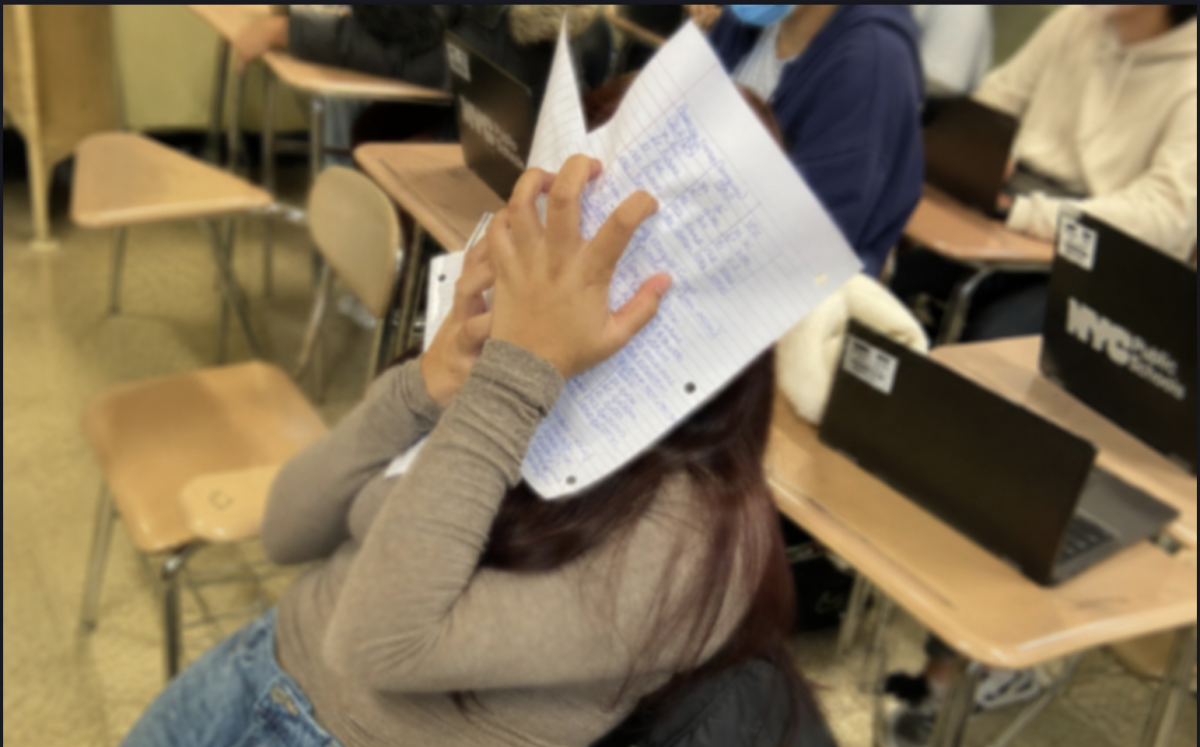
Katheline Mielma, a senior at the Charter High School for Architecture, Engineering, and Construction Industries, described the level of stress her close friends experience: “They definitely go through a lot of stuff at home, and it can be hard to manage, especially as a senior, since you have to deal with college applications, financial aid, and your future, along with school work and college courses.” For Katheline’s friends, the struggles that they experience outside of school are doubled by their workload expectations.

Meanwhile, Jemima Zadan, a freshman at High School for Health Professions and Services, feels well supported with a mental health group at her school. “At the beginning of the school year, you can fill out a Google form as to whether or not you want to be a part of the organization, in which teachers/faculty members have meetings with you, daily or weekly, to talk about your mental health,” Jemima shared.
Similarly, Delilah Galarza, a sophomore at High School of Art and Design, receives weekly emails from her school on topics regarding mental health and fun events after school to help students have a mental break.
Even though resources may be available, it can be difficult for students to easily open up, along with the fear of getting inadvertently accused of something. From the six students I interviewed, a common thread was found: they all weren’t comfortable talking to their guidance counselors about personal issues.
When Katheline is facing a struggle that is impacting her mental health, she states, “I get a little uncomfortable talking to my guidance counselors about it because I’m scared that they might call my parents or report it, so I usually journal, collect myself, or if it’s really bad, I’ll talk to my friends.”

Stephanie Bonkoungou, a freshman at Eleanor Roosevelt High School, suggests having an open, safe space, where students can talk about their feelings. On the same note, Felder, who created mental health groups at her former school shared her experiences. One of the groups she remembers establishing was the LGBTQ community, where she realized that, “…it was important for them to have a safe haven.”
While these groups may seem minuscule, it’s where a student can express themselves freely and can rely on their support during difficult moments. Felder recommends teachers and guidance counselors listen to their students and ask them what type of groups could be created that would allow them to feel safe and comfortable. She points out that, “just being able to incorporate teen opinions is important because a lot of times they don’t have many choices.”
Similarly, at the previous schools that DiGruccio worked in, the Leadership and Public Service High School, and the Kingsbridge International High School, there was an advisory program for students. In this program, students would go talk to their student advisory leader, who would then come to one of the school deans or counselors and explain what the student had allowed them to share.
The advisory leaders were well equipped because they were selectively chosen and then had to be trained as peer mediators. This method, as DiGruccio states, “…empowers students and gives them the tools to facilitate mediations, so this way, the students also have a voice.” The organization that trains the students, as well as teachers, is the Morningside Center for Teaching Social Responsibility. This program coaches school staff and educators about the SEL (Social-Emotional Learning) curriculum and ways to implement it into their classrooms. Felder agrees that teaching students coping mechanisms to help regulate their mental health would be of substantial benefit to them.
Although the advisory program at DiGruccio’s previous schools were effective, it required commitment from the whole school community, which is the same case for the support groups Felder established at her previous school.
Schools that are determined to have their students thrive both mentally and academically should take small steps towards integrating methods, such as establishing afterschool support groups, teaching SEL in classrooms, and listening to student needs, to help students know that they are not alone when it comes to managing their mental health.