











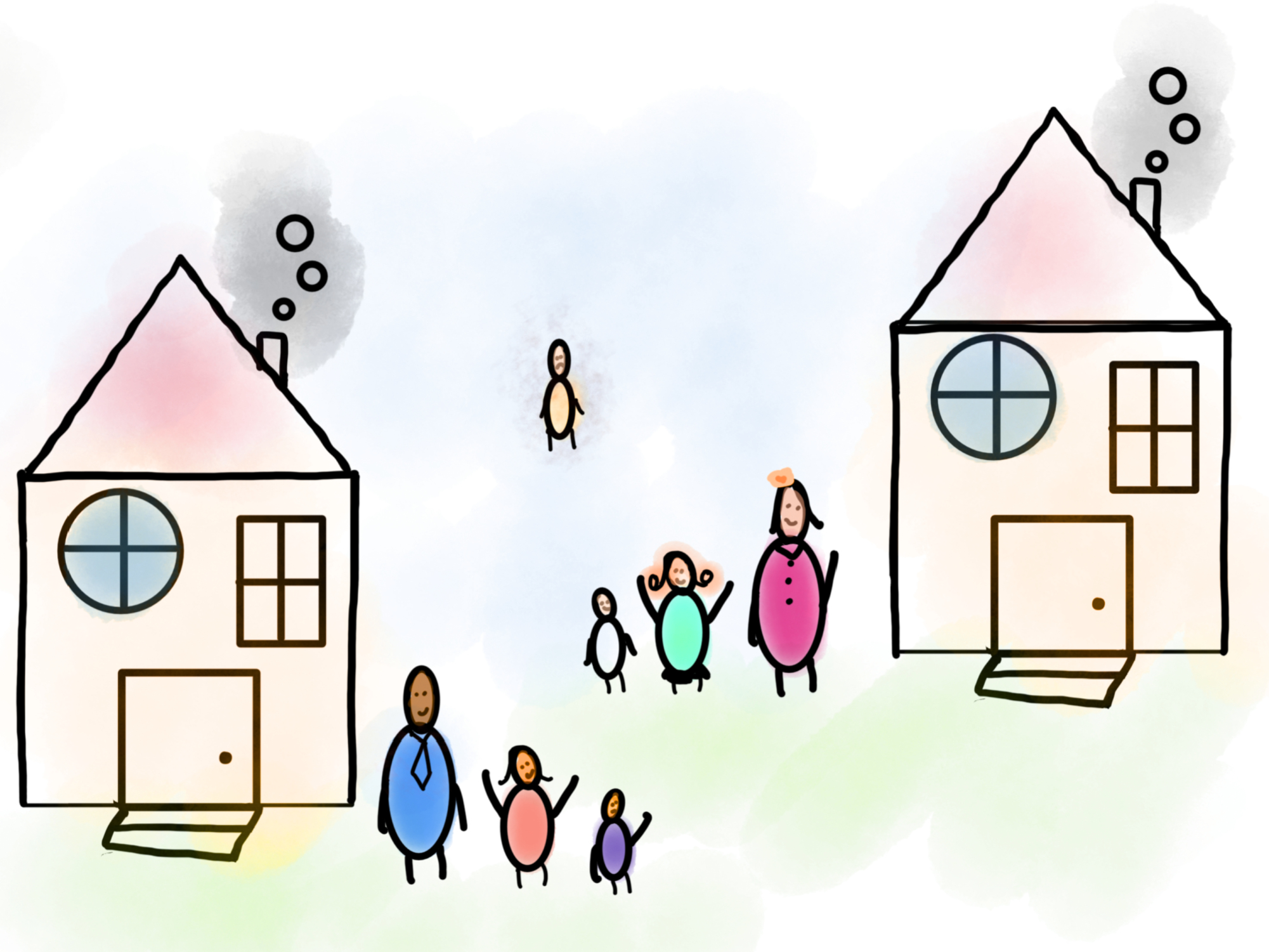
Over the past school year, about 154,000 New York City students experienced temporary or unstable housing, which is roughly 1 in 7 students, a record high number. This number has climbed steadily over the past decade, raising urgent questions about those students’ safety and what unstable housing does to a student’s education.
In NYC, many factors can lead a student to homelessness, but how does the NYC Department of Education (DOE) define student homelessness? The DOE follows the McKinney-Vento Homeless Assistance Act, a federal law that protects the educational rights of students experiencing homelessness.
Under the Act, homeless students, referred to as students in temporary housing, are entitled to a free public education, transportation, the option to remain in their school of origin, and equal access to services through a Students in Temporary Housing (STH) liaison.
This act defines students living in temporary housing as those who are living doubled up, in a shelter, in a motel/hotel or public space, living in a public space, or a motor vehicle, as well as unaccompanied youth.
According to the Covenant House, there are several common factors that push young people into unstable housing.
- With rising living costs and limited support, many families struggle to afford rent and utilities. Challenges like discrimination, illness, and unemployment make this even harder, and a lack of emergency savings often pushes students into temporary housing.
- LGBTQ+ youth are 120% more likely to experience homelessness, making up about 40% of homeless youth
- Around 44% of young women who are living in temporary housing have reported being a parent or pregnant.
- A large number of youth living in a Covenant House shelter have experienced human trafficking, nearly 1 in 5.
- According to SchoolHouse Connection, about 70% of homeless youth have experienced violence in their lives, a large portion of that being sexual assault.
Living in temporary housing puts a serious strain on a child’s education. Jennifer Pringle, a director at Advocates for Children of New York, stated in a 2025 article that “we’ve worked with families whose children already missed an entire month of school because of the lack of coordination between the shelter and school systems.” In addition, according to SchoolHouse Connection, during the 2021–2022 school year, homeless students had only a 68% graduation rate and a 48% chronic absenteeism rate. Compared to all students, these rates are 19% lower for graduation and 12% higher respectively. These statistics show how homelessness creates serious barriers for students that are difficult to overcome without strong support.
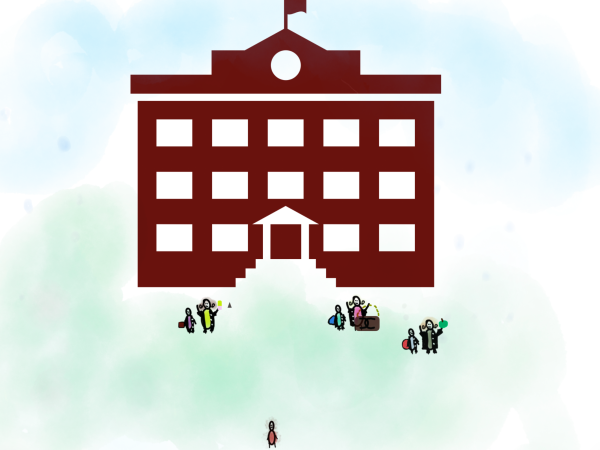
Living in temporary housing also takes a serious toll on students’ mental health.
- Nearly 70% of youth in temporary housing report experiencing mental health challenges, with suicide being the leading cause of death among homeless youth, this is especially prevalent with LGBTQ+ youth.
- Around 30% of youth in temporary housing have struggled with substance abuse.
Balancing school, shelter, and basic needs while dealing with health issues puts overwhelming pressure on homeless youth, creating a cycle that is hard to escape without strong support.
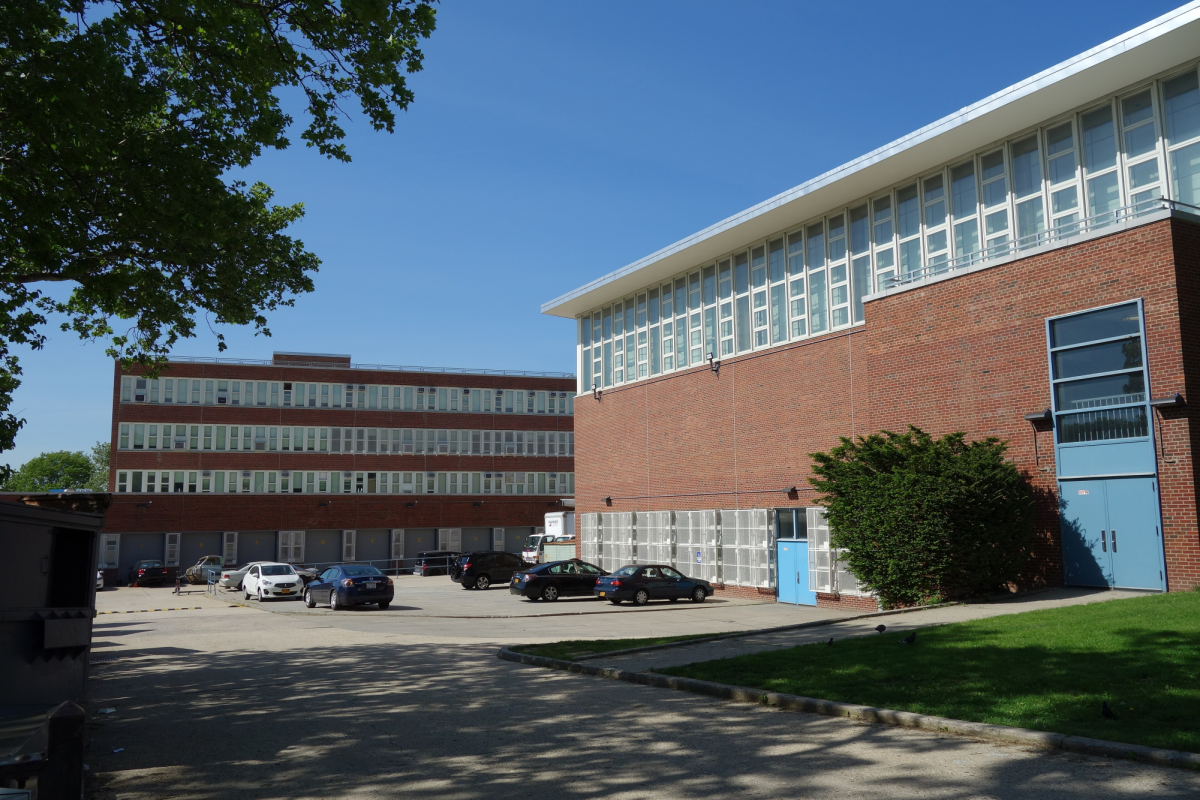
Forest Hills High School recognizes the challenges faced by students living in temporary housing and is committed to supporting them with care and understanding.
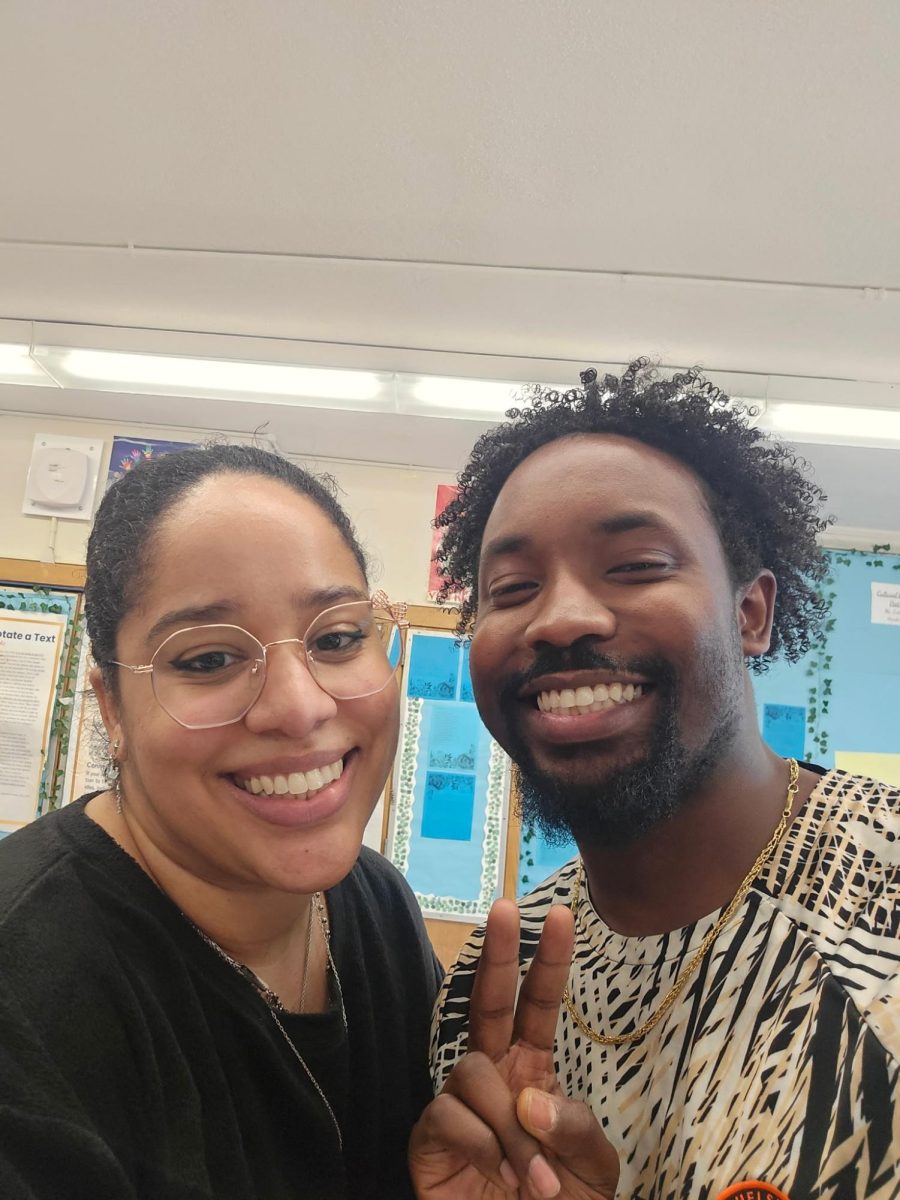
Dr. Panindranauth, a guidance counselor, exemplifies this support. Dr. Panindranauth knew she wanted to help students when she was in high school and since then, she has dedicated her life to trying to solve systematic issues in schools.
While earning her doctorate, she studied Maslow’s Hierarchy of Needs and focused on helping educators understand that many students face serious challenges outside the classroom. After completing her education, she became a parent coordinator and worked closely with families to support student success. Through this role, she learned about the systems in place to assist homeless students, especially Students in Temporary Housing (STH).
She strongly believes that basic needs must be met before learning can happen and is committed to ensuring that homelessness and lack of access do not prevent students from graduating. This is why she created the closet.
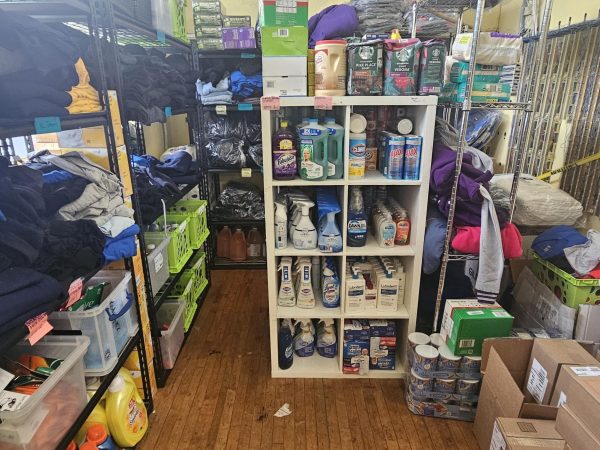
The closet is a room filled with supplies for students in need to take without feeling uncomfortable or judged. Dr. Panindranauth has slowly improved and implemented more products into the closest over the years, and has seen how helpful it can be. Products such as sweatpants, detergent, coffee, and soap are readily available, and always needed by students. Helping students get necessities so they can focus on school. However, this isn’t the only solution.
Dr. Panindranauth believes educating parents and helping them understand what the city and schools offers can be a tremendous help to families. “My ideal dream would be that schools are a community and resource, so if I have a family struggling, they should be able to reach out to our parent coordinator and say I need help. Our school should be a second home not only for kids but for their families as well,” she shared.
She also believes that students can play an important role in supporting their peers who live in temporary housing. For example, student volunteers help run the school closet.
According to Dr. Panindranauth, students manage ordering and receiving supplies and keep the closet fully stocked.
She believes this experience helps students develop appreciation, empathy, and a greater awareness of the challenges others face beyond the classroom. Allowing students to be kind to others, which in her opinion is the best way other students can help.
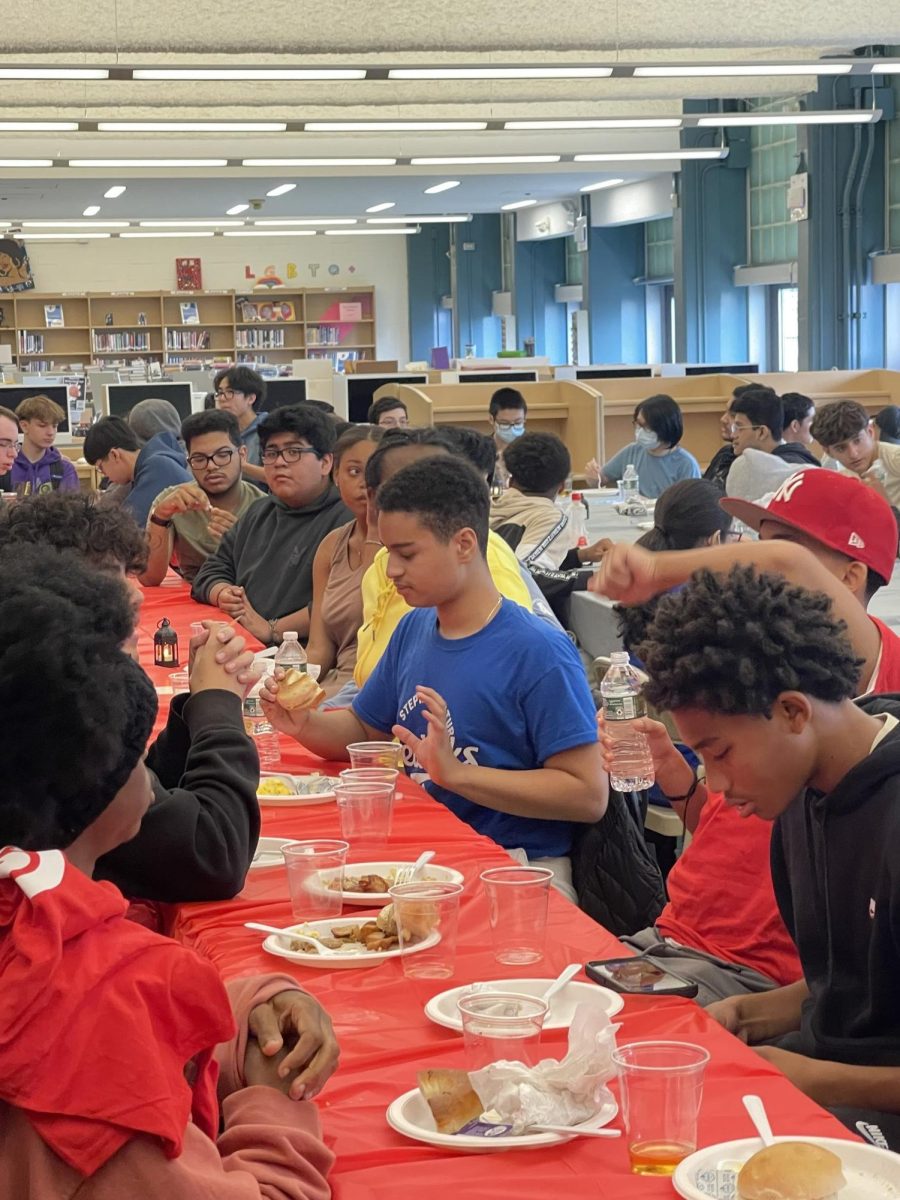
One idea Dr. Panindranauth hopes to implement at our school is student-led bonding and celebration events. She suggested activities like a paint night or family portrait night, where student artists and photographers could take the lead. These events would give families who are struggling a chance to relax, have fun, and bond without feeling singled out. Experiences like these are often sacrificed for basic necessities, so creating opportunities within the school can make a meaningful difference.
Lastly, Dr. Panindranauth encourages students in temporary housing to tap into the resources around them and not feel embarrassed or ashamed. She emphasizes that schools can only provide proper funding and support when they understand students’ situations, and she welcomes everyone with open arms, genuinely wanting to help.