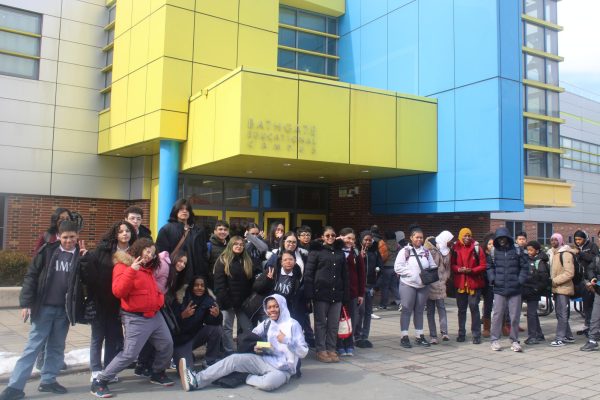




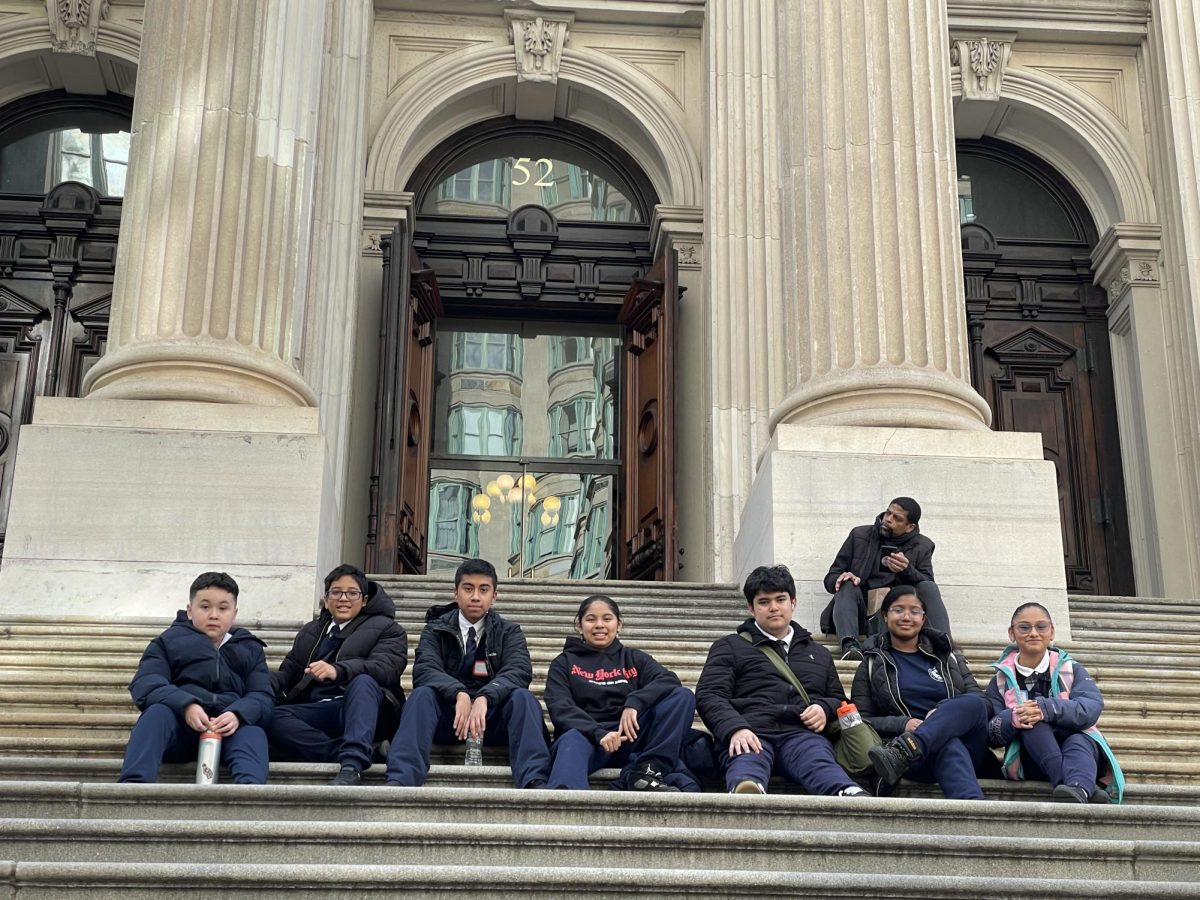




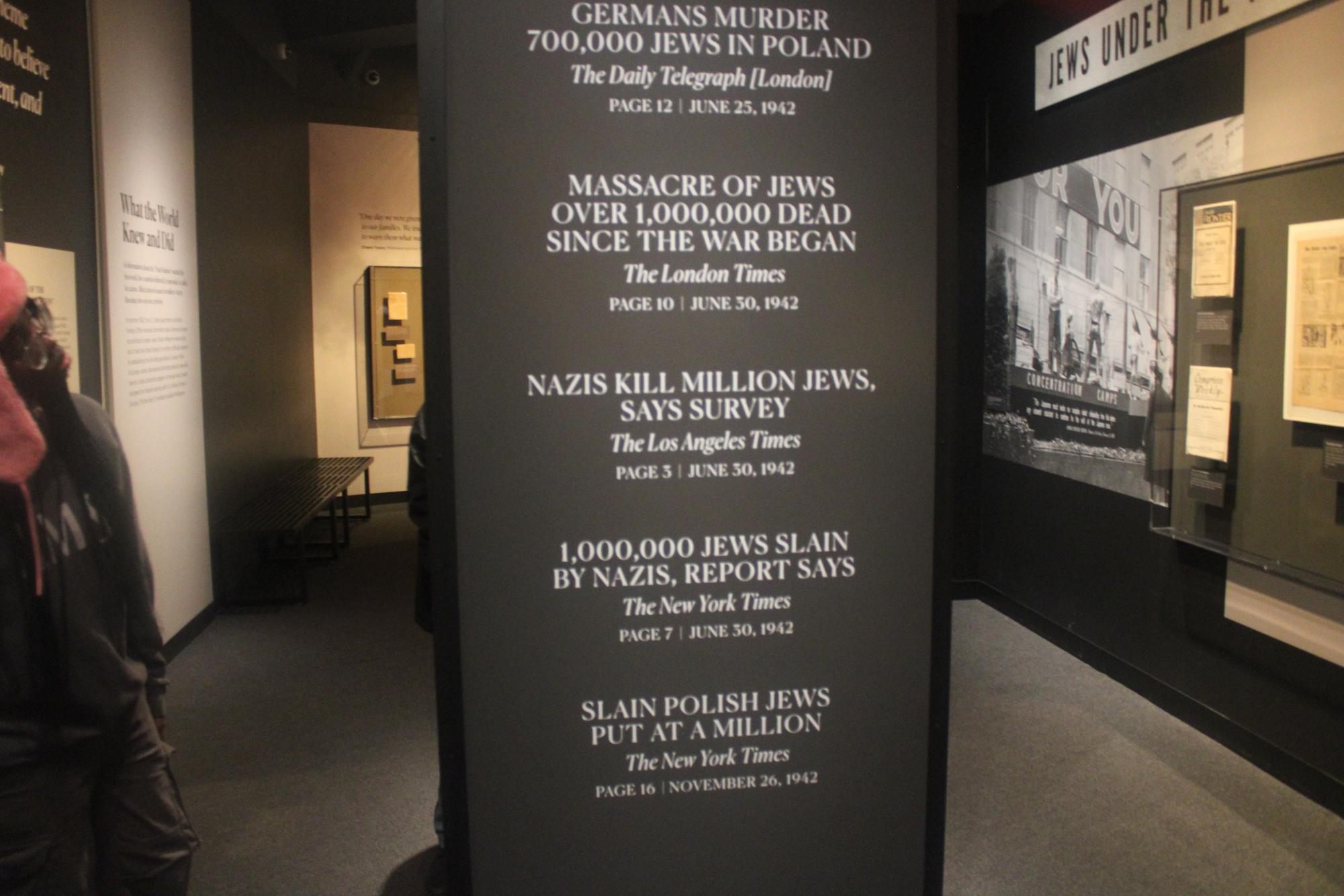
It is a staggering historical fact that over 6 million Jewish people perished in the Holocaust. On Monday, March 2nd, AMS eighth graders went to the Jewish Heritage Museum in Manhattan, led by Joseph Suppo. The Jewish Heritage Museum was opened on September 15, 1997, so that people can know and spread awareness about the tragedy that happened from 1938 through 1945.
While at the Museum, we met a tour guide named Maya W. and we asked her some questions about Jewish Heritage and her opinion on it. Maya sees connections to what’s happening in the world now in our society, to what has happened in the past with antisemitism. “Many things, but one, I do want others to know that anti-semitism, as we’ve seen throughout this tour, it’s not something of the past. It still exists. There’s still a lot of prejudice in the world that’s going on. They know that history often repeats. There are things that we can do to stop hate from spreading as individuals and that our individual choices matter.”
Some AMS 8th graders that went to The Jewish Heritage Museum shared their thoughts about the trip. Lia Grullon saw parallels between persecution of Jews and persecution of immigrants in the United States today. “I want to connect it to ICE and how they dehumanize people. You see how they were marked and make sure that people knew who the Jews were and who the other people were. I feel like that’s the same thing as what they’re doing right now with ICE. They’re taking away people from where they came from.” Britney Perez said, “What impacted me the most was finding out that the Dominican Republic took in Jewish people, but also they didn’t take in as many people as promised.”
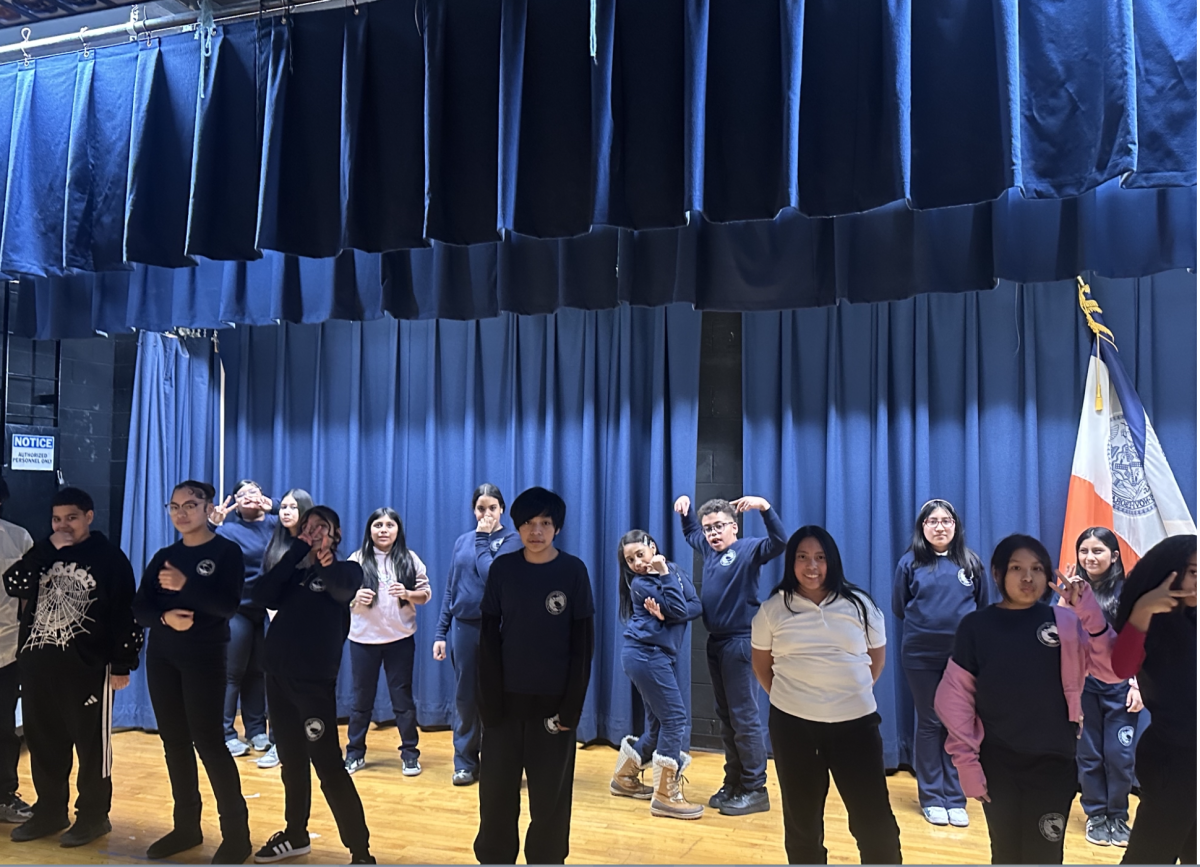
To conclude, The visit helped students better understand the past and how it connects to the world now. It even inspired students in our class to write articles about it, like Britney and Yerika who is soon going to make an article on how the Dominican Republic helped Jewish people during the Holocaust. The trip also helped students reflect on why it is important to treat people equally. Learning about the past can help us to make better choices and to stop hate from spreading.