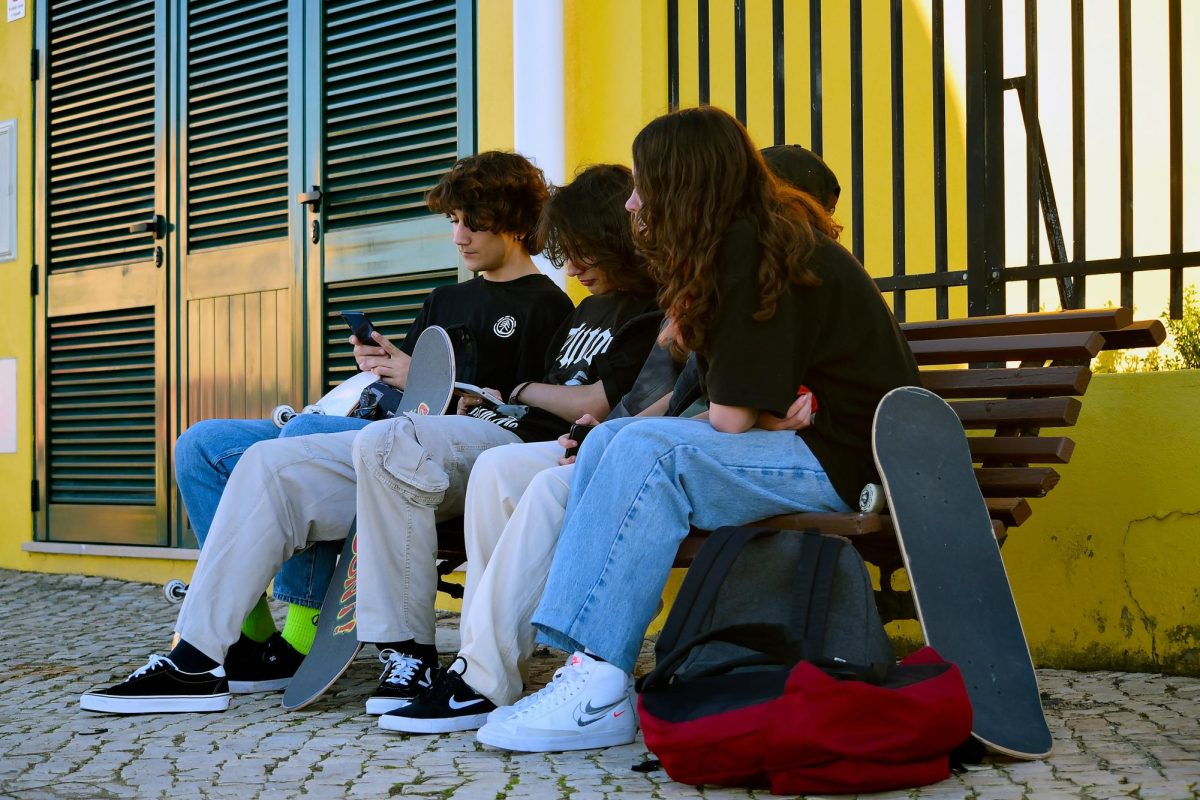




















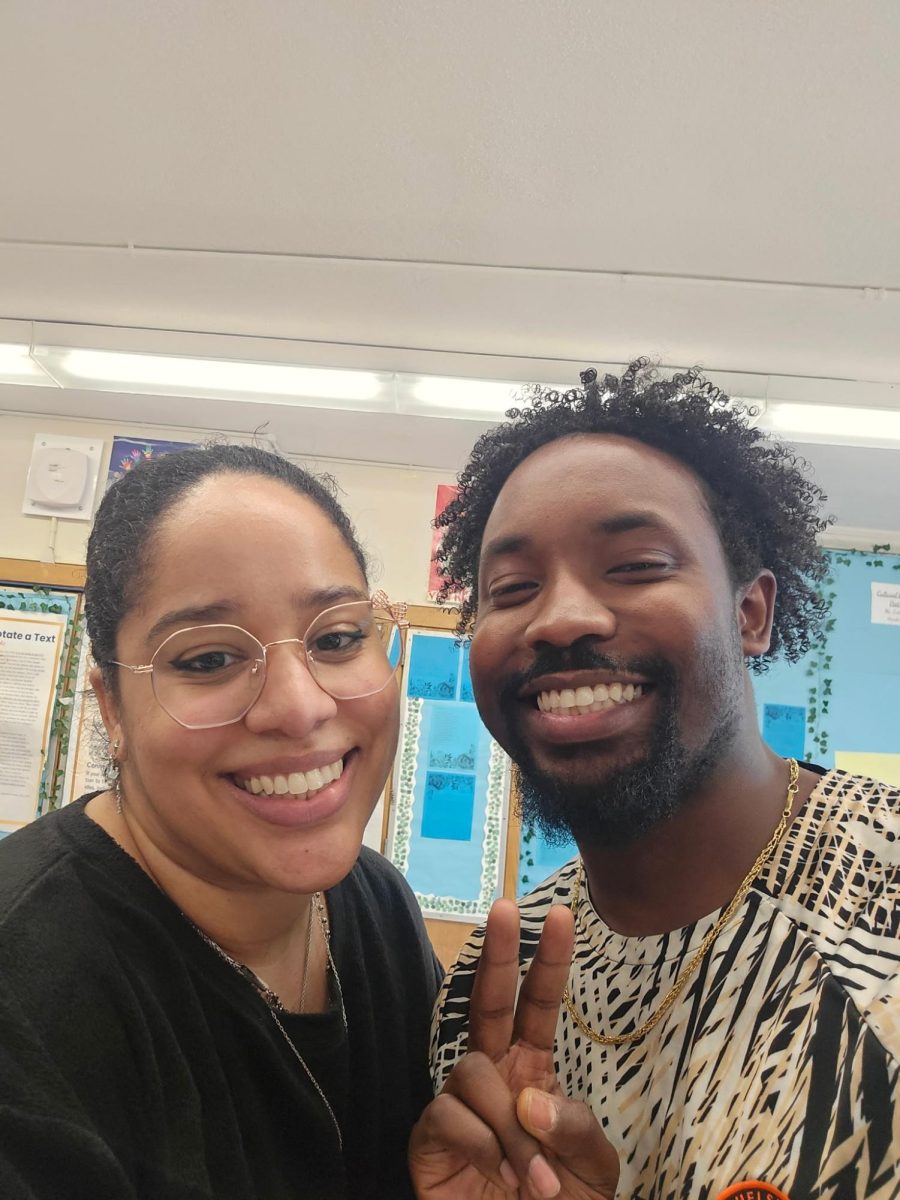








David Carroll, an Associate Professor of Media Design and Associate Director of Art, Media, and Technology at Parsons School of Design, has a daughter and son. His seventeen-years-old daughter goes to NYC iSchool while his twelve-years-old son goes to New York Harbor School. His daughter began to pay attention to news on social media, especially Instagram, during the COVID-19 pandemic. Carroll noticed how well versed and well aware his daughter now is when it comes to the news. His son on the other hand receives news from YouTube, and is always disinterested in politics, unless it is for homework.
For many young people today, this is what staying informed looks like. News doesn’t come from newspapers or nightly broadcasts anymore. It slips into daily life through social media, conversations, and quick glances at a screen. Today, media content is easily accessible thanks to our innovative technology, so it’s not a surprise that the youth have relied on technology for news consumption.
We investigated how young people actually get their news, collecting over 200 surveys over a period of 3 months from individuals between the ages of 13 and 21 for this article.
The survey respondents were asked to remain anonymous so they could be as honest as possible about their news intake. We also interviewed professor Carroll on the data for a better understanding of what we are working with.
How Do Teens Find Their News?
The majority of youth we surveyed believe that they have consumed enough news content for themselves (64.5%) with the remaining 35.5% of students feeling like they did not consume enough. “I’m not a constant news watcher or anything, so I do hear lots of major news, but often miss other smaller news occurring in my city,” one anonymous responder said.
Someone recalled that they interacted with news, “because it randomly pops up on my feed.” Many news companies utilize social media in order to reach out to the younger generation, and it appears to be working.
However, there are other contributing factors that don’t involve the news companies at all. “It’s not always frequently that I read news a lot due to schoolwork or activities,” one commenter says. We are constantly seeking to balance our busy lives, so we rarely get to search up news.
In our survey, the youth were at a split when answering the question, “Do you think you’re personally caught up/informed on current events?” A little more than half, at 52.8% answering “yes.” Many responses recalled significant political aspects such as the 2025 Election, ICE, and more.
“There is way too much going on to keep up with everything,” one response said. Keeping the bias and constant pop-ups in mind, it could easily overwhelm people when opening the news, which sometimes deters people from understanding what is going on around them.
What Makes Teens Trust A Source?
Not surprisingly, 87.8% of respondents voted that they used social media to seek out news the most; such as Instagram, YouTube, and TikTok. “I feel social media will give me the quickest answer and if I want more information, I could go to the social media post,” was one quote that stood out.
Many have acknowledged that news articles can be misleading due to personal biases. “I think there’s always room to be skeptical about how the media portrays breaking news. If enough sources are put together and generally corroborate a claim, then I’m more inclined to believe it. However, with the rampant spread of misinformation, especially on social media, it’s getting harder to trust the news and what biases people have when reporting current events,” said one response.
Ironically, the youth still sought news on social platforms that do not require contexts to be accurate and factual: “Even though Instagram can be unreliable, the striking news on there is usually true, taken from reliable sources outside.”
The younger generation sought simplicity and a straightforward approach when it came to news reporting. Adding onto convenience, news companies regularly post on social media, leading more people to depend on social media anyways. Nevertheless, there are people who do look for online newspaper sources such as the New York Times, Wall Street Journal, etc. for more reliable sources.
Professor Carroll points out how the creation of digital advertising has definitely affected the newspaper industry. According to Pew, young adults have declined in attention to the news since 2016, and yet they are the same group who are most likely to get news on social media than any other generation. This tracks as 69.7% of our survey participants said they trust their news source, while picking social media as one of their choices for how they receive news. It is clear how influential social media is on news consumption. “Although it is unclear whether the youth receives news content from an influencer or from the journalism production world, social media has changed the way we view the news,” professor Carroll exclaims.
What Can This Data Tell Us?
The youth searched up the news for many reasons. They range from school purposes, a celebrity death, and more. However, some students actually sought to check the reliability of the news they saw online: “[I] wanted to fact check a reel.” This breaks the stereotype that the younger generation is oblivious towards the news they consume, as noted by professor Carroll. “It’s not true that all people are so tuned out, and don’t trust it as much,” he would argue.
Yet, professor Carroll also believes that there is a parallel between trust and feeling satisfied with the appreciated amount of news the youth intakes. “I am caught up, but not so much to the point where I know just about everything,” one respondent confirms. Sometimes, the news could be overwhelming considering its huge presence on social media. Therefore, the youth would only consume what they believe is right for themselves as assisted by the algorithm. In a way, social media controls us, and we aren’t even aware of it!
Overall, it’s not that the youth couldn’t be bothered to research their findings, in reality it may have something to do with a growing lack of attention span within teenagers due to increased use of social media and short form content in general. Most of the students surveyed typically engage in news in a way that is easily accessible to them. Additionally, some survey responses were unintentionally incomplete or not taken as seriously. We can infer that either news was not their biggest interest or that the responses were rushed.
As youth journalists ourselves, and the ones providing the news, we need to start catering to teens’ attention spans as well through the use of advertisements, algorithms and creating features that strengthen attention spans with longer and accessible content.