











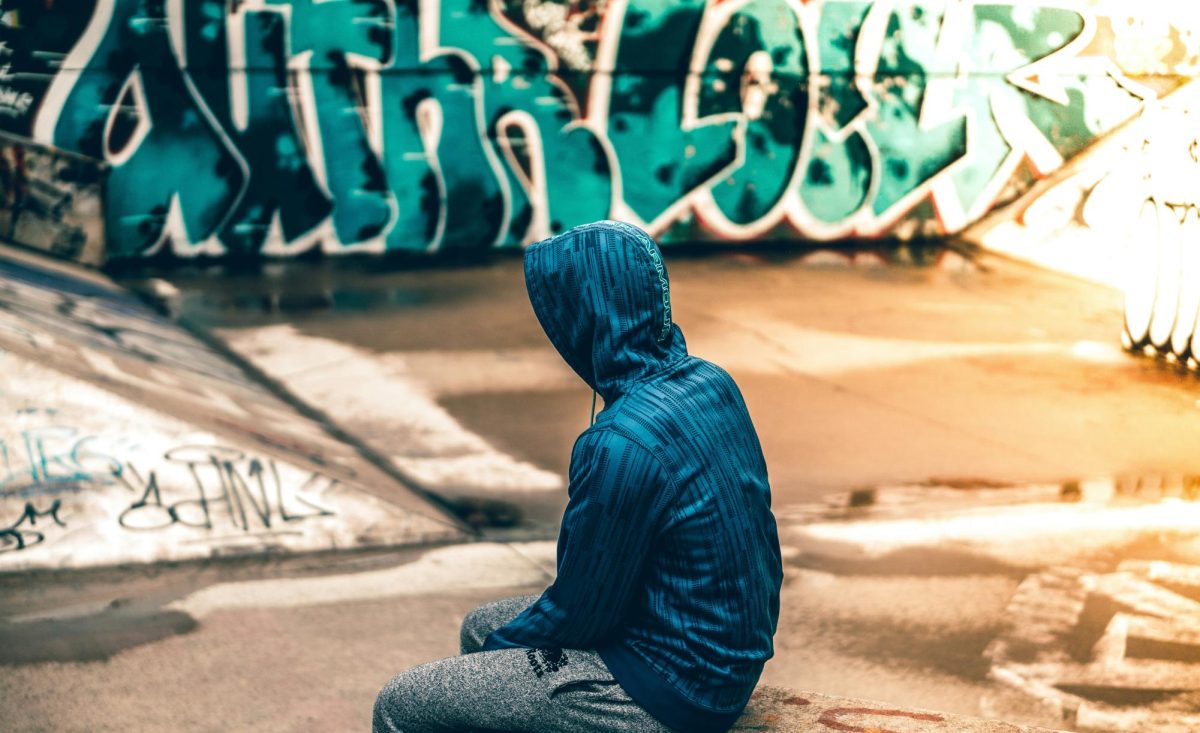
Many people see homeless adults laid out on subway cars, curled up on park benches, or inside tents but fail to realize the mass of homeless students in the city that strive to survive each day.
New York City public schools hit a troubling milestone last year: 154,000 students experienced homelessness at some point during the academic school year. That means that nearly 1 in 9 students in the nation’s largest school system were in a constant battle with their personal life and finding a stable place to sleep.
This issue is one that teachers, counselors, and students say is impossible to ignore. Advocates for Children of New York, a group that tracks student homelessness, reported that this number is the highest it has ever been. This total includes students living in shelters, doubled up in friends’ or relatives’ homes, in temporary housing, or even staying in cars.
School staff members in public schools have noticed the impact on all of these students: students juggling unstable housing often face challenges getting to school constantly, keeping up with their school and homework, or even simply finding a quiet place to study.
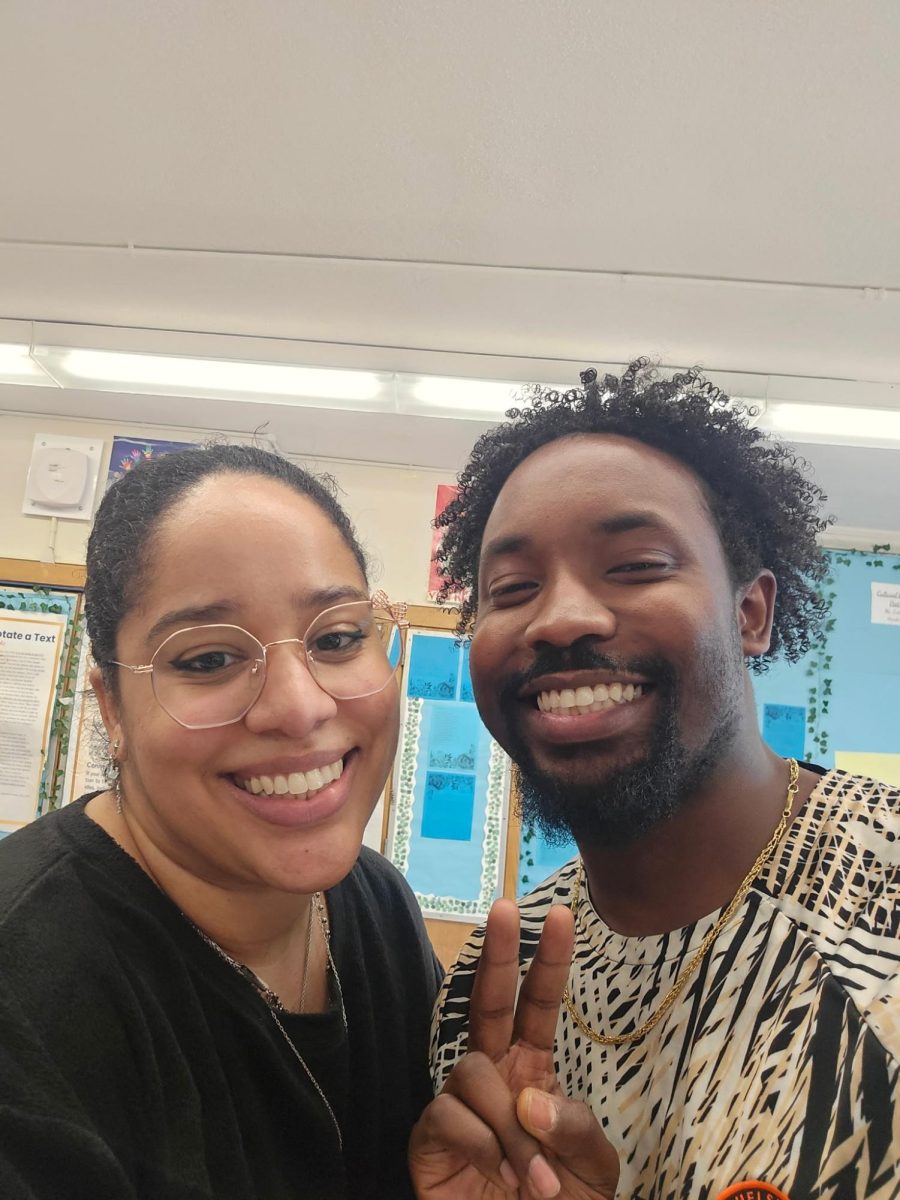
But many of their peers may not notice the issues occurring with these homeless students: “I think the common misconception is that homeless students don’t go to school, or that they don’t do well in school, or even that they’re not engaged.” Ms. Barcia, a Pace school social worker, said.
“You know, I’ve definitely seen homeless students breaking those barriers and graduating and not just graduating, but graduating and excelling.”
“Often, you’re not going to know from the outside that a student is homeless; peers may not even be aware of their living conditions, and they’re still soaring through their classes.” Said school social worker Ms. Barcia.
Despite Barcia’s claims, students in shelters and temporary housing are found to be chronically absent, as they missed at least 1 out of every 10 school days. Alongside absences, a devastating 22% of homeless students in grades 3-8 scored a passing grade on their New York State tests. In both of these tests the scoring rates were less than half of students with permanent housing.
Even though the city has increased its funding for transportation, social workers, and other counseling services, many say it is not enough. Shelter stays can grow longer, families may be placed farther and farther from their designated public school, and many schools are noticing their lack of dedicated support staff who would be trained to help the homeless youth.
The rise of this many students is said to have been connected to the arrival of many new migrant families. Many of these families sleep in shelters as they search to find support in this ever-changing, ever-demanding city. However, a large portion of these students come from long-term NYC residents, which shows this issue is certainly not new yet rapidly growing.
With homelessness affecting academic output, mental health, and graduation rates, advocates warn the crisis cannot and will not be ignored. Whether it’s through more services or new policy ideas, the city must find more concrete solutions if we hope to reverse this trend next year.
If the pattern continues, schools and the city fear that “record-breaking” might become the new normal.